
Home › Massachusetts › Haverhill
Septic Service, Pumping and Repair in Haverhill, MA
City sewer covers Haverhill's core, but West Haverhill, East Haverhill and South Bradford still run on septic, much of it in high groundwater and slow glacial till. Call (978) 486-7980 or use the form. A person reads every request and replies with what happens next.
- Free for homeowners
- City and state septic rules on this page
- Crystal Lake to Rocks Village
Ask About Septic Service in Your Area
Tell us about the system and what it is doing. A person reads it and replies with what happens next.
Please add your name, a 10-digit phone number and a valid email.
Your request didn't go through on our end. Please call (978) 486-7980 so it isn't lost.
Too many requests have come from this connection in a short time. Please call (978) 486-7980 and we'll take it from there.
We couldn't finish the spam check. Wait a moment and send it again, or call (978) 486-7980.
Septic in Haverhill
What does the system need?
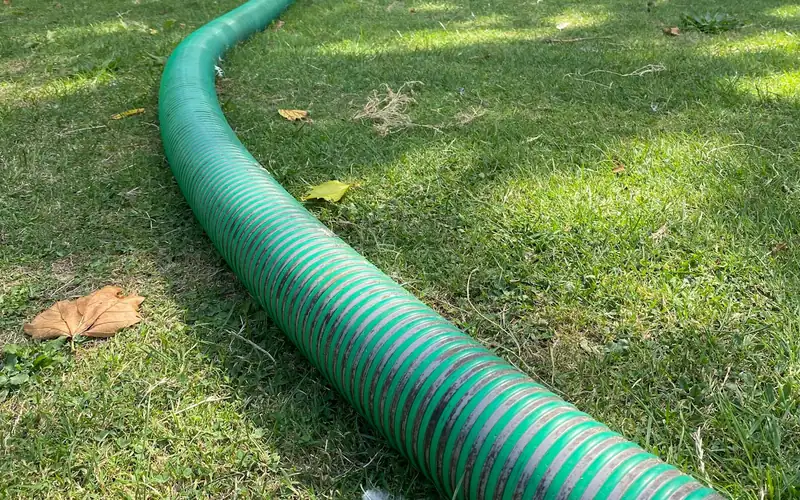
Pumping & Maintenance
Routine tank pumping, filter cleaning and the records your board of health or town may ask for.

Septic Inspections
Title 5 inspections before a Massachusetts sale, and system evaluations for New Hampshire buyers and owners.
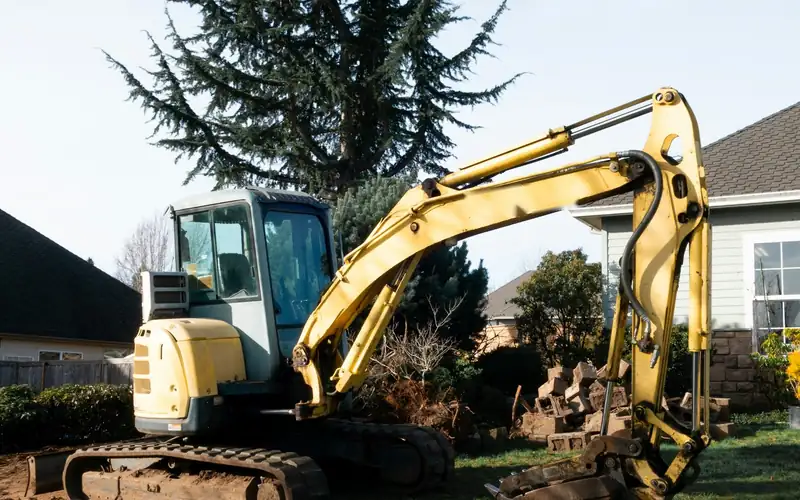
Repair & Leach Field Replacement
Broken baffles, failed pumps, backups and leach fields that no longer take water, permitted the way your town requires.
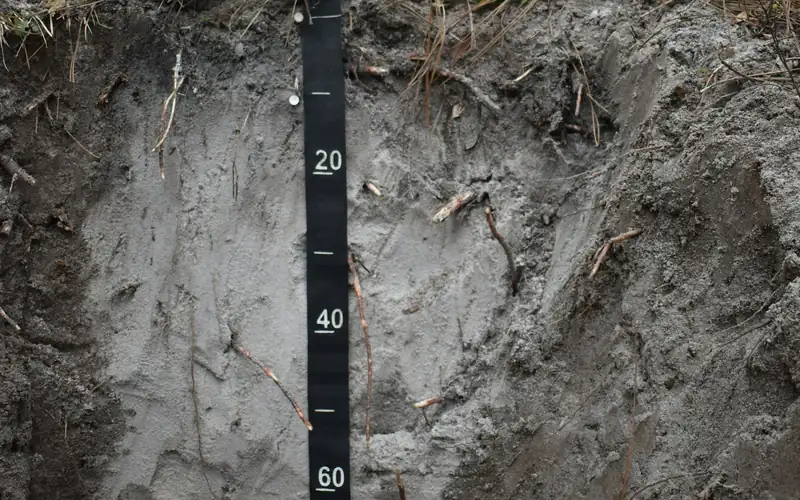
New System Design & Installation
A licensed designer or engineer draws the plan, the town or state approves it, and a permitted installer builds it.
Not sure where to start?
(978) 486-7980Tell us whether you're selling, buying, adding a bedroom or dealing with a backup, and we'll help you sort out what comes first.
Permits
Septic permits and rules in Haverhill
Septic work in Haverhill runs through the Health Department at City Hall, Room 214, 4 Summer Street (978-374-2338). The city says the department enforces Title 5, and that the Board of Health reviews subdivision and individual septic plans, witnesses and records deep hole and percolation tests, inspects installations, repairs and upgrades, and orders corrective action. It issues permits to install, modify or repair systems under 10,000 gallons per day, and annually renewable permits for disposal works installers and septage transporters. Health inspectors keep office hours of 8–9 AM and 3–4 PM (Septic Systems and Wells).
- Health Department
- City Hall, Room 214, 4 Summer Street, 978-374-2338
- Soil testing
- $150 for two perc tests and two deep holes; $100 for additional tests (as posted November 2026)
- Design review and construction permit
- Upgrade $225; new system $350
- Installers and haulers
- Annually renewable Board of Health permits
- Reservoir protection
- Special permit within 500 feet of a registered water supply
- Sewer connections
- Engineering Division, City Hall Room 300, 978-374-2335
Fees. The posted schedule, which carries no date, lists $150 for two perc tests and two deep holes, $100 for more tests, $225 for design review and a construction permit on an upgrade, and $350 for a new system. Permits are also filed online through the city's ViewPoint Cloud portal.
Local rules since 1987. The city lists Board of Health regulations adopted under M.G.L. c.111 §31 on licensing of septic installers (February 3, 1987), Title 5 distance regulations (November 24, 1987), a dye testing fee (January 24, 1989), waste haulers (April 26, 1989), septic systems for condos and duplexes (April 24, 1990), definitive subdivision plans (January 16, 1996) and a percolation and deep hole regulation (May 27, 2014). The texts aren't posted, so ask the Health Department which ones apply to your lot. Variances follow the state test: equal environmental protection, and enforcement that would be manifestly unjust.
State rules. Selling a Haverhill home on septic means a Title 5 inspection within two years before the sale, or three years if the system was pumped every year and the records are available (MassDEP buying or selling guide). Only MassDEP-approved System Inspectors count; NEIWPCC keeps the approved list. A repair or replacement needs a design by a Registered Sanitarian or Massachusetts-registered professional engineer, a Disposal System Construction Permit and a Certificate of Compliance when the work is done, even for a single tank or distribution box (MassDEP repairs FAQ). Digging needs a Dig Safe notice at least 72 hours ahead, weekends and holidays excluded (M.G.L. c.82 §40A).
Last verified November 2026. Fees, restrictions and deadlines on this page are due for re-checking by December 2026. New England Septic Pros is a referral service. We don't pump, inspect or build septic systems; the contractor and designer file the permits.
Sewer or septic
Sewer or septic in Haverhill
Where the pipes stop. The city's draft 2024–2031 Open Space and Recreation Plan, submitted July 3, 2024, says the sewer system and proposed extensions serve the central core of the city. It names West Haverhill (North Broadway, the Crystal Lake area and Ayers Village), East Haverhill (Amesbury Road, Rocks Village and East Broadway) and South Bradford south of Willow Avenue as unsewered, notes that federal standards suggest a 2-acre lot minimum for residential areas without sewer or water, and says extensions will be needed to serve more development (draft OSRP 2024–2031). The city publishes no sewered share.
The city plant. Sewered homes drain to the city-owned treatment plant at 40 South Porter Street, which discharges to the Merrimack. Downtown sewers are combined; elsewhere they're separated, and a federal consent decree was lodged on November 10, 2016 (Wastewater). MassDEP's 2026 Clean Water Intended Use Plan, dated April 1, 2026, lists $66,497,000 in plant and South Mill Street Pump Station upgrades (2026 IUP). We found no sewer extension project for the off-sewer neighborhoods.
Tying in. The Engineering Division in City Hall, Room 300 (978-374-2335), issues permits to build, repair or connect to a sanitary sewer, and only city-authorized licensed and bonded drainlayers may do the work; the first 10 feet outside the foundation also needs the Plumbing Inspector's approval. No connection fees are posted (Water/Sewer Hook-Up). Under Title 5, a new system can't be built and an existing one can't be upgraded or expanded where sewer connection is feasible, with listed exceptions (310 CMR 15.004).
Septage stays local. The plant accepts domestic septage, not grease trap waste, from haulers holding a Board of Health permit and a Hauled Waste Discharge permit, with a manifest and pH test for each load. As posted in November 2026, loads from Haverhill and Groveland pay $100 for up to 2,000 gallons and up to $250 for 4,001–5,000 gallons; other Massachusetts loads pay $125–$312.50 (Septic Systems and Wells).
Water
Water Haverhill protects
A city that drinks its lakes. Kenoza Lake, Crystal Lake, Round Pond (Lake Pentucket) and Millvale Reservoir are Haverhill's primary water supplies, and the draft open space plan names seepage from domestic septic systems as a source of high nutrient levels. As much as 43% of the watershed lies outside the city. The same plan says the Board of Health makes sure septic systems are built at least 500 feet from the surface supplies (draft OSRP). MassDEP's source water report of September 8, 2003 set Zone A at 400 feet from the reservoir edge and 200 feet from tributaries, counted 962+ septic systems and cesspools in the watersheds, and ranked them a moderate threat (SWAP report).
Overlay limits. In the Water Supply Protection Overlay District, on-site systems must meet Title 5, no system serving new construction may be designed for more than 440 gallons per day per acre, and building, land disturbance or excavation within 500 feet of the mean high water of a registered supply needs a special permit (Zoning § 9.2, amended December 14, 2021). The Conservation Commission says the city wetlands ordinance sets a 100-foot buffer, widened to 200 feet along the city's water supplies, with a 25-foot no-disturbance zone and a 50-foot no-build zone at each resource area (Conservation Commission).
Wet till and ledge. The draft plan says onsite system problems come mainly from high groundwater and poor soils, that compact glacial till has seasonal high water tables and slow permeability, that many areas off the sewer have limits for a standard leaching system, and that the area north of Crystal Lake has shallow depth to bedrock. A soil evaluator's deep holes on these lots matter.
Drought rules. As of October 28, 2026 the city was in a Level 4 Drought Emergency; its exemptions include new lawns to stabilize soil after construction or septic repair (Water Supply/Drought Information).
Haverhill's homes
Mill-era blocks on sewer, larger lots on septic
The draft open space plan describes the core neighborhoods as century-old housing built for shoe millworkers between 1880 and 1940; those are sewered (draft OSRP). Septic homes sit farther out, in the West Haverhill, East Haverhill and South Bradford areas the plan lists as unsewered.
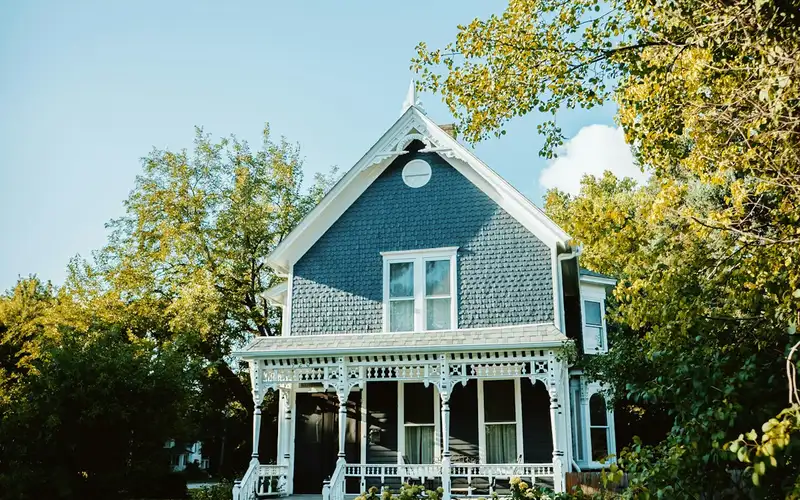

Many of those outer homes are in a reservoir watershed: MassDEP's 2003 report counted 962+ septic systems and cesspools there. If you're selling, buying or adding a bedroom in West or East Haverhill or South Bradford, plan for a Title 5 inspection and ask the Health Department early about setbacks from the lakes.
FAQ
Haverhill septic questions
Which parts of Haverhill are not on city sewer?
The city's draft 2024–2031 Open Space and Recreation Plan names West Haverhill (North Broadway, the Crystal Lake area and Ayers Village), East Haverhill (Amesbury Road, Rocks Village and East Broadway) and South Bradford south of Willow Avenue as areas the sewer does not serve. The city's health page adds that a home not on city sewer is probably on septic.
Who watches the soil tests in Haverhill?
The Board of Health witnesses and records deep hole and percolation tests. As posted in November 2026, the fee is $150 for two perc tests and two deep holes and $100 for additional tests. Health inspectors are available 8–9 AM and 3–4 PM at City Hall, Room 214.
How close to a reservoir can a septic system go?
The draft open space plan says the Board of Health makes sure septic systems are built at least 500 feet from the city's surface water supplies. The Water Supply Protection Overlay District also needs a special permit for building, land disturbance or excavation within 500 feet of a registered supply, and caps new-construction systems at 440 gallons per day per acre.
Where does pumped septage from Haverhill go?
The city's wastewater plant on South Porter Street takes domestic septage from haulers who hold a Board of Health permit and a Hauled Waste Discharge permit. The posted per-load charge to haulers for Haverhill and Groveland loads runs from $100 for up to 2,000 gallons to $250 for 4,001–5,000 gallons.
What does it cost me to use New England Septic Pros?
Nothing. Asking is free for homeowners; the contractor prices the job, and the price and contract are between you and them.
Nearby