
Home › Massachusetts
Septic Systems in Massachusetts: What Homeowners Should Know
We refer septic contractors in Greater Lowell, the Andover, Lawrence and Haverhill area, and the Woburn, Reading and Melrose area. Title 5 sets the statewide rules, and your town's Board of Health can be stricter, so each town page covers who permits septic work there and what the town adds. Call (978) 486-7980 or send the form. A person reads every request and replies with what happens next.
- Free for homeowners
- Title 5 in plain English
- Lowell to Melrose
Ask About Septic Service in Your Area
Tell us what the system is doing, or what the sale or the project needs. A person reads it and replies with what happens next.
Please add your name, a 10-digit phone number and a valid email.
Your request didn't go through on our end. Please call (978) 486-7980 so it isn't lost.
Too many requests have come from this connection in a short time. Please call (978) 486-7980 and we'll take it from there.
We couldn't finish the spam check. Wait a moment and send it again, or call (978) 486-7980.
Service area
Massachusetts towns we cover
In Massachusetts the local Board of Health issues septic permits and can adopt rules stricter than Title 5, so a town with its own page covers who handles septic there, the local rules on top of the state's, which neighborhoods are on public sewer, and the wells, ponds and wetlands the town protects. The other towns are in our area too; send a request from any of them.
Greater Lowell
Andover, Lawrence & Haverhill
Woburn, Reading & Melrose
State rules
Title 5 and the rules that shape a Massachusetts septic job
The regulation. Septic systems in Massachusetts fall under Title 5 of the State Environmental Code, 310 CMR 15.000. Its most recent amendments took effect July 7, 2023 and deal with nitrogen in coastal estuaries and embayments on Cape Cod (MassDEP: Title 5).
Your Board of Health comes first. Local boards issue septic permits, Local Upgrade Approvals and Certificates of Compliance, and may adopt rules more stringent than Title 5 (310 CMR 15.003). A board that goes beyond the state minimums has to hold a public hearing and state its local reasons (M.G.L. c.111 §31). Call your Board of Health before planning any septic work.
Inspection at sale. A Title 5 inspection is required within two years before a sale, or three years if the system has been pumped every year and the report includes the pumping records. If bad weather prevents it, the inspection can wait until up to six months after the sale, with written notice to the buyer; foreclosures, deeds in lieu, levies of execution and bankruptcy transfers can also be inspected up to six months after the transfer, with written notice to the buyer. Inspections are also required when a change needs a building or occupancy permit, such as adding a bedroom, when the building footprint changes, when properties are divided or combined, and when MassDEP or the Board of Health orders one. Foreclosures and bankruptcy transfers are not exempt (MassDEP: buying or selling).
Exempt transfers. Transfers between current spouses, parents and children, full siblings, or into a qualifying family trust don't need an inspection (M.G.L. c.21A §13). Neither do refinancing, divorce-settlement transfers, or a sale covered by a binding Board of Health agreement to upgrade or connect to sewer within two years (MassDEP: buying or selling). Half siblings and grandparent-to-grandchild transfers are not exempt (MassDEP exemption guidance).
Who may inspect. Only MassDEP-approved System Inspectors can conduct Title 5 inspections, using the MassDEP form (MassDEP). NEIWPCC keeps the approved lists (approved inspectors and soil evaluators). MassDEP does not regulate inspection fees, and you don't have to hire the inspector to do any other work on the system (MassDEP consumer tips).
Failed systems. A failed system must be upgraded within two years unless the Board of Health or MassDEP approves a different schedule, even if the house isn't being sold (MassDEP). Some problems, such as a leaking tank or a broken distribution box, can be a conditional pass fixed by a repair (official inspection form), but soil absorption systems and cesspools cannot be repaired under a conditional pass. Cesspools are nonconforming systems under Title 5 (310 CMR 15.002).
Permits and sign-off. No one may build, upgrade, modify or expand a system without a Disposal System Construction Permit, and the work must be finished with a Certificate of Compliance within three years or the permit expires unless extended (310 CMR 15.020). That holds even for replacing a single component such as a tank or distribution box (Title 5 repairs FAQ). Designs come from a registered sanitarian or a Massachusetts-registered professional engineer, and the Board of Health must approve the design and the installation (MassDEP: hiring inspectors and soil evaluators).
Septage haulers. Hauling septage takes a Septage Hauler Permit issued under M.G.L. c.111 §31 (310 CMR 15.002). MassDEP does not license pumpers and says to contact your local Board of Health to find a licensed hauler (MassDEP consumer tips).
Accessory dwelling units. MassDEP guidance of April 7, 2025 treats an ADU that raises a home's design flow as New Construction under Title 5, figured at 110 gallons per day per bedroom (MassDEP ADU guidance).
Digging. Septic repairs mean excavation, and the excavator must premark the area and notify Dig Safe at least 72 hours ahead, not counting weekends and legal holidays, and not more than 30 days ahead (M.G.L. c.82 §40A). Dig Safe members don't mark private lines (Dig Safe FAQ).
Last verified November 2026. Fees, restrictions and deadlines on this page are due for re-checking by January 2027.
Paying for it
Help with the cost of a septic repair
State tax credit. Owners of a principal residence can claim 60% of the qualifying design and construction costs to repair, replace or upgrade a failed cesspool or septic system, or to connect to sewer when Title 5 or a watershed permit requires it. Costs count up to $30,000, the credit is capped at $4,000 in any tax year, and the excess carries forward up to five years, to a total of $18,000 (M.G.L. c.62 §6(i)). DOR says the expanded credit applies to tax years beginning on or after January 1, 2024 (DOR residential credits).
Town betterment loans. Under the Community Septic Management Program, participating towns borrow from the Massachusetts Clean Water Trust and lend to homeowners, who repay through betterment assessments. As of November 2026 the state lists rates of 0% below 120% of area median income, 2% from 120% to under 180%, and 4% at 180% and above. Ask your town whether it takes part (CSMP).
MassHousing. MassHousing describes low- and no-interest septic repair loans of up to $25,000 for owner-occupants of one- to four-family homes and condominiums, through participating lenders. Its page does not list rates or say whether applications are open, so ask a participating lender or call MassHousing at 617-854-1000 to check (MassHousing septic loans).
What we refer
Septic jobs, explained for Massachusetts homeowners
Pumping & Maintenance
Routine tank pumping, filter cleaning and the records your board of health or town may ask for.

Septic Inspections
Title 5 inspections before a Massachusetts sale, and system evaluations for New Hampshire buyers and owners.
Repair & Leach Field Replacement
Broken baffles, failed pumps, backups and leach fields that no longer take water, permitted the way your town requires.
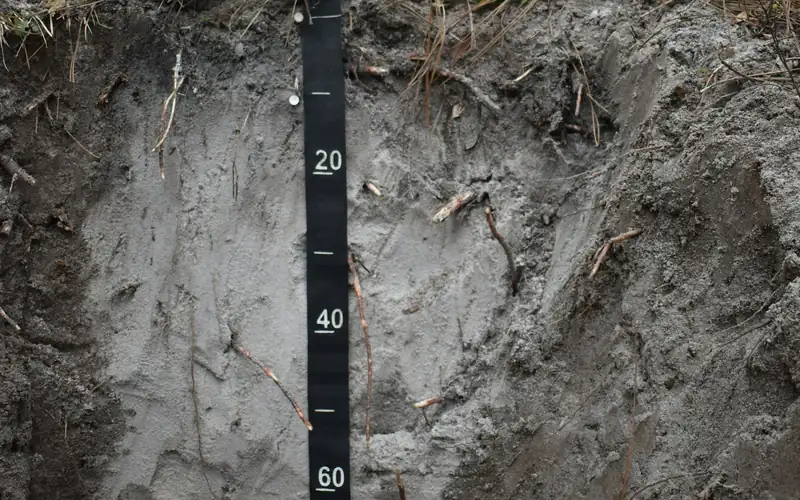
New System Design & Installation
A licensed designer or engineer draws the plan, the town or state approves it, and a permitted installer builds it.
FAQ
Massachusetts septic questions
How long is a Title 5 inspection good for?
MassDEP says an inspection done within two years before a sale covers it, and it stays valid for three years if the system has been pumped every year and the pumping records are available. One inspection can cover more than one sale within that period.
Does a transfer to my children need a Title 5 inspection?
Generally not. Transfers between current spouses, parents and children, full siblings, or into a qualifying family trust are exempt, and so are refinancing and transfers made as part of a divorce settlement. Transfers to half siblings or grandchildren are not exempt.
My system failed. Do I have to fix it if I am not selling?
Yes. MassDEP says a failed system must be upgraded within two years unless the Board of Health or MassDEP approves a different schedule, and that applies whether or not the house is sold.
Who can design a new or replacement system?
Title 5 defines a designer as a registered sanitarian or a professional engineer registered in Massachusetts. Your local Board of Health must approve the design and the installation.
What does it cost me to use New England Septic Pros?
Nothing. The request and the referral are free; the contractor prices the work.