
Home › Massachusetts › Reading
Septic Pumping, Inspections and Repair in Reading, MA
Town sewer reaches nearly every property in Reading, so the septic work left here is the short tail: pumping the last systems, a Title 5 inspection before a sale, or abandoning a tank when the house ties into the sewer. Call (978) 486-7980 or use the form. A person reads every request and replies with what happens next.
- Free for homeowners
- Town and state septic rules on this page
- Cedar Swamps to the Ipswich wellfields
Ask About Septic Service in Your Area
Tell us whether the house is on septic or sewer and what you need done. A person reads it and replies with what happens next.
Please add your name, a 10-digit phone number and a valid email.
Your request didn't go through on our end. Please call (978) 486-7980 so it isn't lost.
Too many requests have come from this connection in a short time. Please call (978) 486-7980 and we'll take it from there.
We couldn't finish the spam check. Wait a moment and send it again, or call (978) 486-7980.
Septic in Reading
What does the property need?
Pumping & Maintenance
Routine tank pumping, filter cleaning and the records your board of health or town may ask for.
Septic Inspections
Title 5 inspections before a Massachusetts sale, and system evaluations for New Hampshire buyers and owners.
Repair & Leach Field Replacement
Broken baffles, failed pumps, backups and leach fields that no longer take water, permitted the way your town requires.
New System Design & Installation
A licensed designer or engineer draws the plan, the town or state approves it, and a permitted installer builds it.
Septic, sewer or both?
(978) 486-7980Tell us whether you're selling, tying into sewer or dealing with a backup, and we'll help you sort out which job comes first.
Permits
Septic permits and rules in Reading
Septic work in Reading goes through the Public Health Department and Board of Health (781-942-9061). The department's septic section holds a single link, for septic abandonment, which says a lot about the work that's left in town; permit applications are filed online through ViewPoint Cloud (Public Health Department, ViewPoint Cloud).
- Who handles septic
- Public Health Department / Board of Health, 781-942-9061
- File online
- ViewPoint Cloud
- Septic construction permit
- $50
- Disposal works installer
- $50
- Septic abandonment
- $50
- Permit term
- Annual; permits and licenses expire December 31
- Sewer
- About 98% of properties; a failed residential system converts to sewer
Fees. Section 22 of the Board of Health regulations lists $50 each for a septic construction permit, a disposal works installer permit and a septic abandonment permit (fee schedule effective May 1, 2012). All permits and licenses are annual and expire December 31 (Section 22 fee schedule).
The local regulation. Section 14 of the Board of Health regulations adopts Title 5 "as most recently amended" as a local regulation, with additions. The part we could read covers penalties: $10 to $500 on conviction, or $50 per offense through non-criminal disposition, each day a separate offense (Section 14). Ask the department whether any other local requirement applies to your lot.
State rules. A Reading home still on septic needs a Title 5 inspection within two years before a sale, or three years if the system was pumped every year and the records are available (MassDEP buying or selling guide). Only MassDEP-approved System Inspectors count; NEIWPCC keeps the approved list. MassDEP says the local Board of Health must approve system design and installation, and to find a licensed septage hauler you contact the Board of Health (MassDEP consumer tips). Under Title 5, a new system can't be built and an existing one can't be upgraded or expanded where sewer connection is feasible, with listed exceptions (310 CMR 15.004). Digging for a tank abandonment or a sewer lateral needs a Dig Safe notice at least 72 hours ahead, weekends and holidays excluded (M.G.L. c.82 §40A).
Last verified November 2026. Fees, restrictions and deadlines on this page are due for re-checking by May 2027. New England Septic Pros is a referral service. We don't pump, inspect or build septic systems; the contractor files the permits.
Sewer or septic
Sewer or septic in Reading
Almost all sewer. Reading's town-owned sewer serves about 98% of properties and sends flow to the MWRA plant at Deer Island. The town's 2023 Housing Production Plan says that under its connection policy, a residential septic system that fails must be converted to public sewer (Housing Production Plan 2023). So in Reading, a failed system usually means a sewer hookup and an abandoned tank, not a new leach field.
The last unconnected properties. The 2022–2029 Open Space and Recreation Plan says the sewer serves nearly the entire community, counts approximately 149 properties throughout the Town not yet connected to available sewer as of October 2020, and says new subdivisions and Planned Residential Developments must connect (OSRP 2022–2029). The plan doesn't name neighborhoods, and we found no posted sewer connection or betterment fees; ask the Public Works and Public Health departments before budgeting a tie-in.
Water
Water Reading protects
The old wellfields. Reading drew its drinking water from wells in the Ipswich River watershed until May 2006, and a 1992 oil tanker spill on Route 93 temporarily closed six of its nine wells. The now-unused well fields in the northwest corner of town sit inside an Aquifer Protection Overlay District, and Meadow Brook Golf Club lies within their Zone II (OSRP 2022–2029). The Zoning Bylaw ties the district to the Zone II and Zone III map from the 1996 100 Acre Wellfield Zone II Study (Zoning Bylaw); ask the Building and Health departments what it means for work on a lot there.
Wetland buffers. Prior approval from the Conservation Division is needed for work within 100 feet of a wetland, lake or pond, within 200 feet of a river or stream, or in the 100-year floodplain (Conservation Division). The Wetlands Protection Regulations of December 2023 add a 25-foot Zone of Natural Vegetation, and machine excavation, filling or grading in the buffer zone can't use the $50 minor project route (Wetlands Protection Regulations).
Marsh and peat. The open space plan calls Reading relatively flat and often marshy, with muck and peat in the North and South Cedar Swamps, and the same plan puts swamps, wetlands and floodplains at more than 30% of the town's land. That's part of why sewer replaced septic here, and why any remaining septic or lateral dig near the swamps starts with the Conservation Division.
Reading's homes
Older houses, mostly on the sewer for decades
A third of Reading's housing units were built before 1940 and more than half before 1960, according to 2020 Census figures in the town's 2023 Housing Production Plan (Housing Production Plan 2023). Most of those houses drain to the town sewer now.

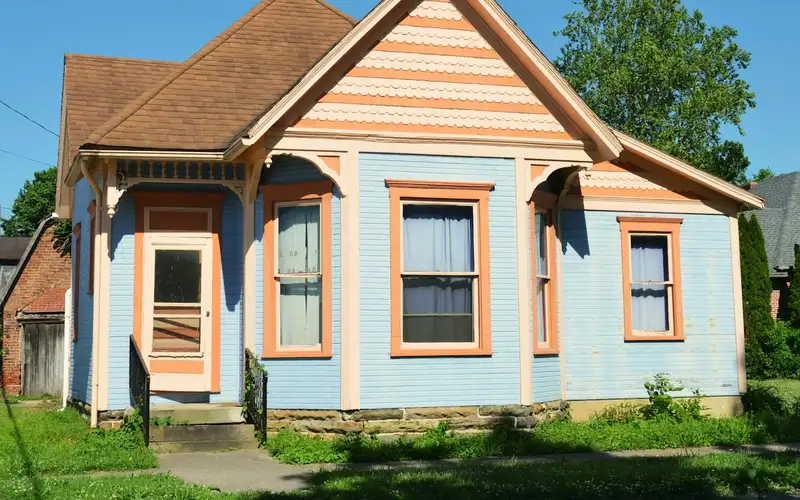
For the properties still on septic, the jobs that come up are a Title 5 inspection before a sale, routine pumping by a hauler the Board of Health knows, and, when the system gives out, the sewer connection the town's policy calls for and an abandonment permit for the old tank. If a renovation or buyer's walk-through turns up an old tank on a house that's already sewered, ask the Public Health Department how it wants it handled.
FAQ
Reading septic questions
My septic system failed in Reading. Can I just replace it?
Usually not. The town's 2023 Housing Production Plan says that under Reading's connection policy a residential septic system that fails must be converted to the public sewer. Title 5 also bars a new or upgraded system where a sewer connection is feasible. Call the Public Health Department before anyone designs a replacement.
Do I need a permit to abandon an old septic tank in Reading?
Yes. The Board of Health fee schedule, effective May 1, 2012, lists a Septic Abandonment permit at $50, and the department's septic page links to the abandonment application. Board of Health permits and licenses are annual and expire December 31.
I'm selling a Reading home that is still on septic. What do I need?
A Title 5 inspection by a MassDEP-approved System Inspector within two years before the sale, or three years if the system was pumped every year and you have the records. If the house is already on town sewer, Title 5 doesn't apply.
Can a contractor dig near a wetland in Reading?
Not without the Conservation Division. Work within 100 feet of a wetland, lake or pond, within 200 feet of a river or stream, or in the 100-year floodplain needs prior approval, and the town's December 2023 wetland regulations keep a 25-foot Zone of Natural Vegetation.
What does it cost me to use New England Septic Pros?
Nothing. Asking is free for homeowners; the contractor prices the job, and the price and contract are between you and them.
Nearby