
Home › Massachusetts › North Reading
Septic Pumping, Inspections and Repair in North Reading, MA
North Reading has no public sewer, and in May 2024 the Select Board ended planning for one, so homes here rely on their own septic systems under local rules that go past Title 5. Call (978) 486-7980 or use the form. A person reads every request and replies with what happens next.
- Free for homeowners
- Town and state septic rules on this page
- Martins Pond to the Skug River
Ask About Septic Service in Your Area
Tell us about the system and what it is doing. A person reads it and replies with what happens next.
Please add your name, a 10-digit phone number and a valid email.
Your request didn't go through on our end. Please call (978) 486-7980 so it isn't lost.
Too many requests have come from this connection in a short time. Please call (978) 486-7980 and we'll take it from there.
We couldn't finish the spam check. Wait a moment and send it again, or call (978) 486-7980.
Septic in North Reading
What does the system need?
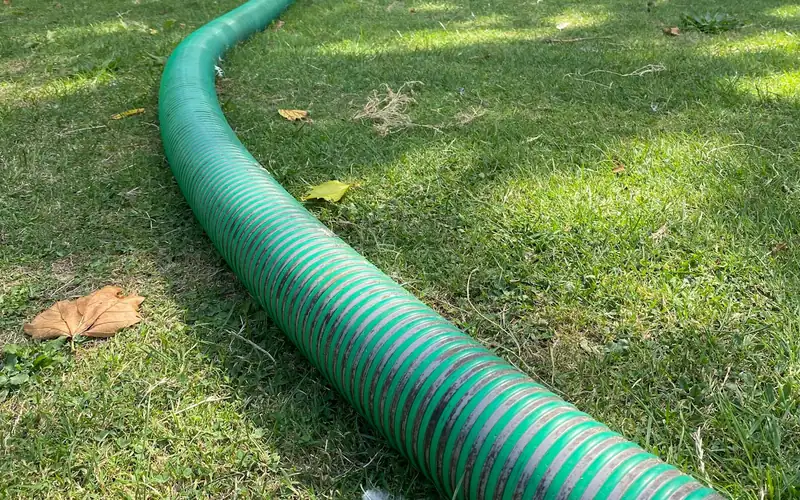
Pumping & Maintenance
Routine tank pumping, filter cleaning and the records your board of health or town may ask for.
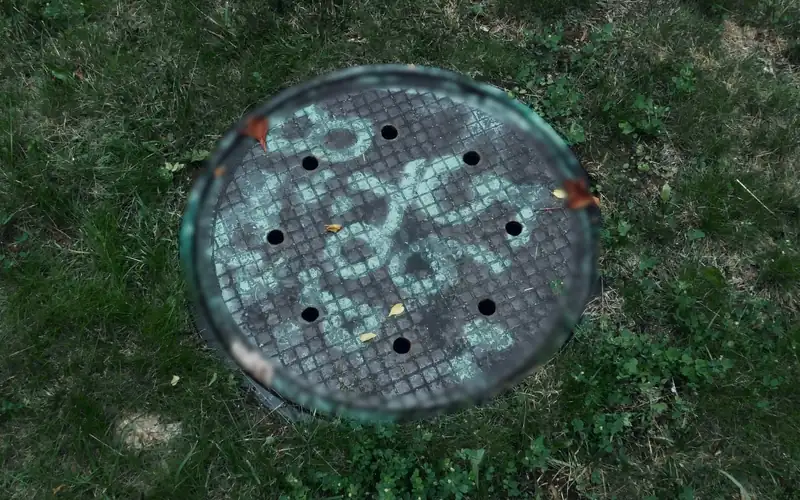
Septic Inspections
Title 5 inspections before a Massachusetts sale, and system evaluations for New Hampshire buyers and owners.

Repair & Leach Field Replacement
Broken baffles, failed pumps, backups and leach fields that no longer take water, permitted the way your town requires.
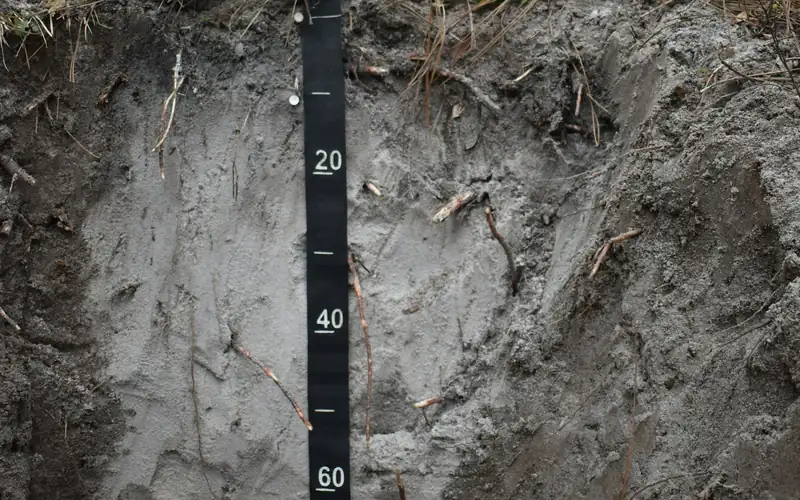
New System Design & Installation
A licensed designer or engineer draws the plan, the town or state approves it, and a permitted installer builds it.
Not sure where to start?
(978) 486-7980Tell us whether you're selling, planning an addition or seeing water where it shouldn't be, and we'll help you sort out what comes first.
Permits
Septic permits and rules in North Reading
The Board of Health (978-664-6042) handles septic in North Reading. Its Environmental Health septic page links to the Chapter 3 local regulations, a repairs and new construction FAQ, a Title V timeline, downloadable forms, the septic fee page and the town's PermitEyes portal, where applications are filed (Septic Systems/Title V, PermitEyes). The posted fee page, undated as of November 2026, lists $250 for a repair or upgrade application and permit, $450 for repair soil testing (two holes and percs), $200 for a single component such as a distribution box, tank tee or pump, and $175 for an installer license (Septic fees).
- Who handles septic
- Board of Health, 978-664-6042
- File online
- PermitEyes
- Installers
- Town installer permit, one year, exam pass mark 80%
- Perc tests
- By a PE or Registered Sanitarian, observed by the Health Agent
- Seasonal rule
- Failed-system testing and owner-occupied repair installs restricted December 1 to April 1
- Transfer permit
- $10 when a new-construction permit changes hands
- Sewer
- None; GLSD sewer planning ended May 20, 2024
Who may do the work. Under Chapter 3, an installer needs a town installer permit, valid one year and renewed at least 45 days before it expires; getting one takes an 80% exam score, $100,000 in general liability coverage, a Class 2 hoisting license, vehicle registration and workers' compensation. Perc tests may be run only by a registered professional engineer or Registered Sanitarian, every perc test must be observed by the Health Agent or a Board designee, and tests go at least 36 inches below grade in natural soil. New-construction disposal works permits are valid two years, and a buyer within that time needs a $10 transfer permit (Chapter 3 Local Regulations).
Rules beyond Title 5. The same regulations, which show no adoption date, set a 1,500-gallon minimum tank (50% larger with a garbage grinder) placed 10 feet from the foundation; disposal beds of at least 800 square feet with 12 inches of washed crushed stone under the pipe and at least three laterals 3 feet apart; and 600 square feet minimum for chamber or Geo Mat beds. A replacement distribution box must come with an official Title V inspection form. Systems must sit 100 feet from a public surface water supply or tributary, and 75 feet (single-family or duplex) or 100 feet (commercial or multifamily) from the spring high water of water bodies, wetlands or subsurface drains. Innovative/alternative systems need 4 feet of separation to groundwater in soils slower than 2 minutes per inch and 5 feet in faster soils. Nothing is covered until it has been inspected.
The seasonal rule. Sections 2.1 and 2.2 restrict perc and water testing for failed-system repairs and upgrades from December 1 to April 1, weather contingent, and bar repair, replacement or upgrade installs for existing owner-occupied homes in that window unless the Board decides otherwise. It's the town's standing rule every winter.
State rules. Selling a North Reading home means a Title 5 inspection within two years before the sale, or three years if the system was pumped every year and the records are available (MassDEP buying or selling guide). Only MassDEP-approved System Inspectors count; NEIWPCC keeps the approved list. MassDEP says a failed system must be upgraded within two years unless the Board of Health or MassDEP approves a different schedule, and that to find a licensed septage hauler you contact the Board of Health (MassDEP consumer tips). Digging needs a Dig Safe notice at least 72 hours ahead, weekends and holidays excluded (M.G.L. c.82 §40A).
Last verified November 2026. Fees, restrictions and deadlines on this page are due for re-checking by November 2027. New England Septic Pros is a referral service. We don't pump, inspect or build septic systems; the permitted installer and designer file the permits.
Sewer or septic
Sewer or septic in North Reading
No public sewer. The 2013 Open Space and Recreation Plan says North Reading has no public sewer system or wastewater treatment facility and relies on sub-surface disposal; the high school complex and some larger developments run their own private treatment plants (2013 OSRP).
The sewer plan that ended. In October 2021 Town Meeting appropriated $2,893,000 for survey, preliminary design, permitting and financial planning of a connection to the Greater Lawrence Sanitary District. On March 13, 2023 the Select Board took betterments off the table, and on May 20, 2024 it voted to terminate planning for the connection (Sewer Information). The proposal would have served about 2,000 properties in the area of greatest need, and the engineers' study found failing or problematic systems in several areas, with upgrades limited by siting constraints (wastewater study, Section 1). With that plan ended, repair and replacement on the lot is the path for a failed system.
Water
Water North Reading protects
Martins Pond and the Ipswich. The town's wastewater study says Martins Pond, Martins Brook and the Ipswich River are impacted and don't meet their current usage class, and that failing or inadequate systems discharge pathogens and nutrients that impair surface water (wastewater study, Section 1). The 2013 open space plan describes Martins Pond as surrounded mostly by older private development and the Ipswich as a highly stressed river basin.
The wellfields. North Reading's Aquifer Protection District follows the primary and secondary recharge areas of the town's public wellfields, including the Central Street wellfield along the Skug River (2013 OSRP). Zoning requires a special permit and artificial recharge for impervious cover over 15% or 2,500 square feet in the district (Zoning §200-38).
Wetlands. The local Wetlands Protection Bylaw, Chapter 196, protects land within 100 feet of resource areas, with fines of $25, $100 and $300 for first, second and later offenses, each day counting as a separate offense (Chapter 196), and the town applies a 12-foot no-disturb zone (Conservation guidance). Combined with the 75-foot septic setback from wetlands in Chapter 3, a leach field replacement on a lot near the pond or brook can involve the Conservation Commission as well as the Board of Health.
Hardpan and perched water. The 2013 plan describes hardpan till, often over shallow bedrock, a high water table for part of the year, and only about 39% of the town's soils as favorable for residential development. The town's 2021 hazard mitigation update says water often sits perched above the dense till (Hazard Mitigation Plan Update). On lots like these, the test holes and perc results witnessed by the Health Agent decide what kind of system can fit.
North Reading's homes
A postwar town, almost every house on its own system
Only about 7% of North Reading's roughly 5,700 housing units predate World War II, according to the town's April 2018 Housing Production Plan (Housing Production Plan). The 2013 open space plan counted 5,633 units, all on on-site disposal apart from the few developments with private treatment plants.
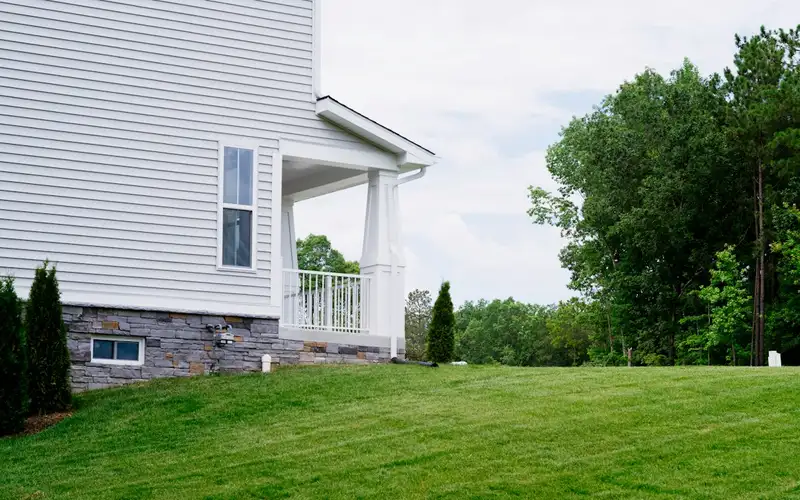
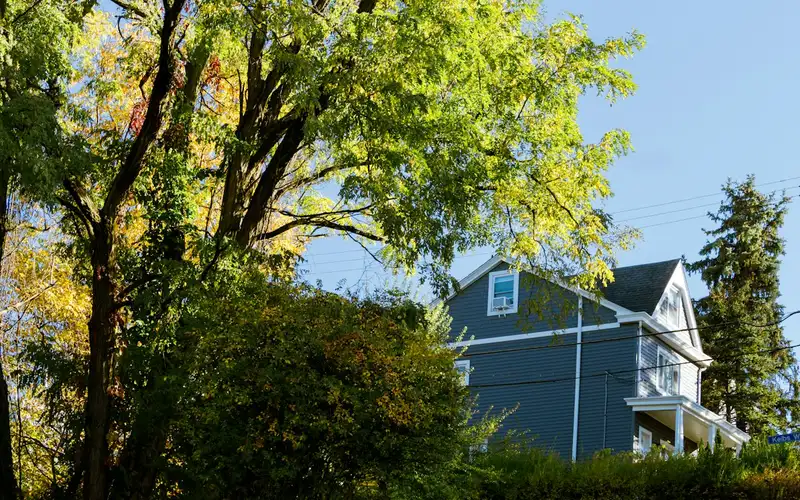
That makes septic part of nearly every North Reading sale, addition and bedroom count. If you're planning to sell, line up the Title 5 inspection early; if a system is struggling in the fall, talk to the Board of Health before the December 1 seasonal rule takes effect.
FAQ
North Reading septic questions
Is town sewer coming to North Reading?
Not under current plans. Town Meeting funded design and permitting for a connection to the Greater Lawrence Sanitary District in October 2021, but on May 20, 2024 the Select Board voted to terminate planning for it. Homes stay on their own systems.
Can a failed system be fixed in the winter?
The Board of Health's Chapter 3 regulations set a standing seasonal rule: perc and water testing for failed-system repairs and upgrades is restricted from December 1 to April 1, weather permitting, and repair, replacement or upgrade installs for existing owner-occupied homes don't happen in that window unless the Board decides otherwise. Call the Board early if a system fails in the fall.
How big does a septic tank have to be in North Reading?
At least 1,500 gallons under the local rules, 50% larger with a garbage grinder, and set 10 feet from the foundation. Disposal beds must be at least 800 square feet.
Who can do a perc test in North Reading?
Only a registered professional engineer or Registered Sanitarian, and every perc test in town must be observed by the Health Agent or a Board designee. Tests go at least 36 inches below grade in natural soil.
What does it cost me to use New England Septic Pros?
Nothing. Asking is free for homeowners; the contractor prices the job, and the price and contract are between you and them.
Nearby