
Home › Massachusetts › Wilmington
Septic Pumping, Inspections and Repair in Wilmington, MA
Most of Wilmington runs on septic, and the Board of Health code asks for more than Title 5 does: bigger leach beds, a town-licensed installer, three inspections and a winter halt on new installs. Call (978) 486-7980 or use the form. A person reads every request and replies with what happens next.
- Free for homeowners
- Town and state septic rules on this page
- Maple Meadow Brook to the Ipswich headwaters
Ask About Septic Service in Your Area
Tell us about the system and what it is doing. A person reads it and replies with what happens next.
Please add your name, a 10-digit phone number and a valid email.
Your request didn't go through on our end. Please call (978) 486-7980 so it isn't lost.
Too many requests have come from this connection in a short time. Please call (978) 486-7980 and we'll take it from there.
We couldn't finish the spam check. Wait a moment and send it again, or call (978) 486-7980.
Septic in Wilmington
What does the system need?
Pumping & Maintenance
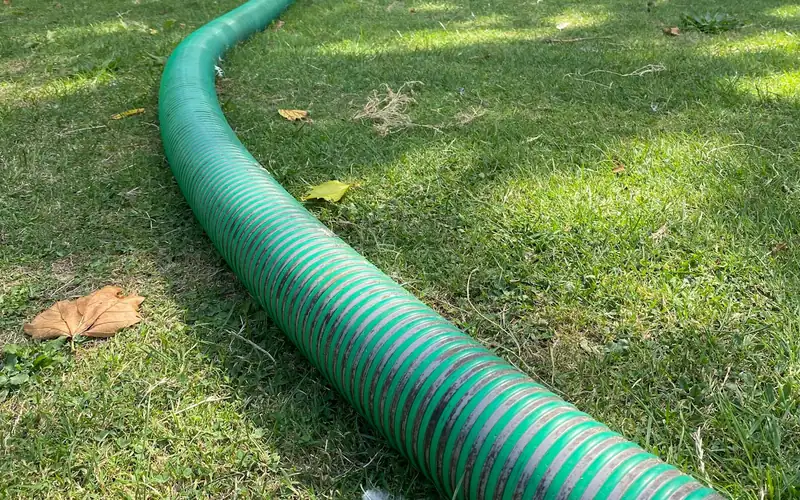
Routine tank pumping, filter cleaning and the records your board of health or town may ask for.
Septic Inspections
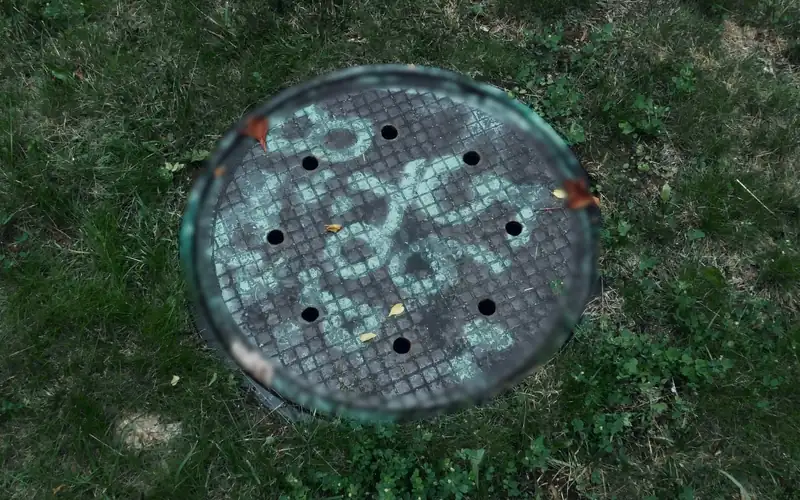
Title 5 inspections before a Massachusetts sale, and system evaluations for New Hampshire buyers and owners.

Repair & Leach Field Replacement
Broken baffles, failed pumps, backups and leach fields that no longer take water, permitted the way your town requires.
New System Design & Installation
A licensed designer or engineer draws the plan, the town or state approves it, and a permitted installer builds it.
Not sure where to start?
(978) 486-7980Tell us whether you're selling, adding a bedroom or watching the yard go soggy, and we'll help you sort out what comes first.
Permits
Septic permits and rules in Wilmington
Septic work in Wilmington runs through the Board of Health and its Health Department. Section 5 of the Board's Code of Regulations, last revised January 17, 2023, requires a permit to install, repair, replace, upgrade or abandon any system. Installers need a Wilmington Board of Health license, earned by passing a town exam with 75% and renewed each calendar year; registered professional civil engineers and Registered Sanitarians can be licensed without the exam. Each septic pumping or hauling vehicle needs its own non-transferable Board permit (Board of Health Code of Regulations). The Board publishes an approved installer list, revised July 1, 2026 (approved installers).
- Who handles septic
- Board of Health / Health Department
- Permit needed for
- Installing, repairing, replacing, upgrading or abandoning a system
- Installers
- Wilmington Board of Health license (exam, 75% to pass)
- Board inspection of an existing system
- $200; re-inspection $25
- Testing season
- Water and perc testing not past November 30 (standing rule, with exceptions)
- Installs
- None from December 1 to April 1 unless the Board decides otherwise
- Pumping records
- Ticket or report to the Board within one month
Rules beyond Title 5. The Wilmington code sets an 800 square foot minimum leach bed, a four-bedroom minimum design flow per unit and a foot of leaching stone, with smaller beds allowed only under a reduced-bedroom deed restriction (600 square feet for three bedrooms, 400 for one or two) and chamber or GEO Mat systems held to 600 square feet. The lowest floor must sit at least 2 feet above adjusted springtime high water. Tanks, distribution boxes and leaching structures need manholes brought to within 6 inches of grade, each bed or trench needs an inspection port, and vents must be charcoal-filtered. The Board inspects three times (after excavation, before stone, and at the final) with 24 hours' notice before construction. Wells must be 100 feet from a leaching facility and from a designated reserve area, and 50 feet from a septic tank. Septic cleaners containing organic compounds are banned (Code of Regulations, rev. 1/17/23).
The seasonal rule. Sections 5.9.9 and 5.9.11 of the same code set the town's standing seasonal limits: water and percolation testing does not continue beyond November 30, except for failed-system repairs or as the Board authorizes, and no subsurface systems are installed from December 1 to April 1 unless the Board decides otherwise. The soils described below, wet through winter and early spring, are why the timing matters on many lots.
Fees and paperwork. The code lists $200 for a Board inspection of an existing system and $25 for a re-inspection (as posted November 2026); other permit fees weren't readable. A dumping ticket or report for every pumping job and every Title 5 inspection report go to the Board within a month. The town's FAQ says that whether or not the owner sells, a failed system typically must be upgraded within two years unless the Board or MassDEP sets another schedule (Title 5 FAQ).
State rules. A Title 5 inspection is due within two years before a sale, or three years with yearly pumping records (MassDEP buying or selling guide). Only MassDEP-approved System Inspectors count; NEIWPCC keeps the approved list. A repair or replacement needs a design by a Registered Sanitarian or Massachusetts-registered professional engineer, a Disposal System Construction Permit and a Certificate of Compliance, even for a single tank or distribution box (MassDEP repairs FAQ). Digging needs a Dig Safe notice at least 72 hours ahead, weekends and holidays excluded (M.G.L. c.82 §40A).
Last verified November 2026. Fees, restrictions and deadlines on this page are due for re-checking by January 2027. New England Septic Pros is a referral service. We don't pump, inspect or build septic systems; the licensed installer and designer file the permits.
Sewer or septic
Sewer or septic in Wilmington
Mostly septic. The town's 2015 Open Space and Recreation Plan put about 82% of Wilmington on on-site septic and about 18% on MWRA sewer, and said the town had agreed to limit sewer expansion to designated areas of need (2015 OSRP). The 2021 Municipal Vulnerability Preparedness plan called the town largely dependent on on-site septic systems, said high groundwater makes building additional septic tanks difficult, and noted that many tanks date from the 1960s (2021 MVP plan).
The sewer that exists. The DPW's system dates to the 1950s, runs about 34 miles of main and 11 pump stations, serves over 1,700 services, flows to MWRA's Deer Island plant, and includes a septage receiving facility (Water and Sewer). The FY2026–2030 Capital Improvement Plan lists pump station and infiltration work but no sewer extension (Capital Improvement Plan), and we found no rule requiring connection where sewer is available. For sewered homes, the residential sewer rate is $8.43 per 100 cubic feet (rates effective August 1, 2026), and a drainlayer license application or renewal is $100 (Water and Sewer Rules).
Water
Water Wilmington protects
Its own wells. Wilmington pumps much of its drinking water from town wells, with MWRA water as a supplement, and NDMA contamination in the Maple Meadow Brook Aquifer took five of nine wells offline in 2003 (2015 OSRP). The Zoning Bylaw, revised to the April 29, 2023 Town Meeting, includes a Groundwater Protection District mapped in April 1999 (Zoning Bylaw), and the Planning checklist notes that impervious area over 2,500 square feet or 15% can need a special permit there (SSMP checklist). Board of Health rules also bar new wells near the Olin and Sutton Brook Disposal Area groundwater areas of concern until September 21, 2031.
Wetlands. About 19% of the town is wetland, and roughly 81% drains to the Ipswich River, whose headwaters are in Wilmington. State and local rules protect a 100-foot buffer and a 200-foot riverfront area, and the 2006 Wetlands Enforcement By-Law sets fines of $25, $50 and $300 for buffer violations (wetlands fact sheet, enforcement by-law).
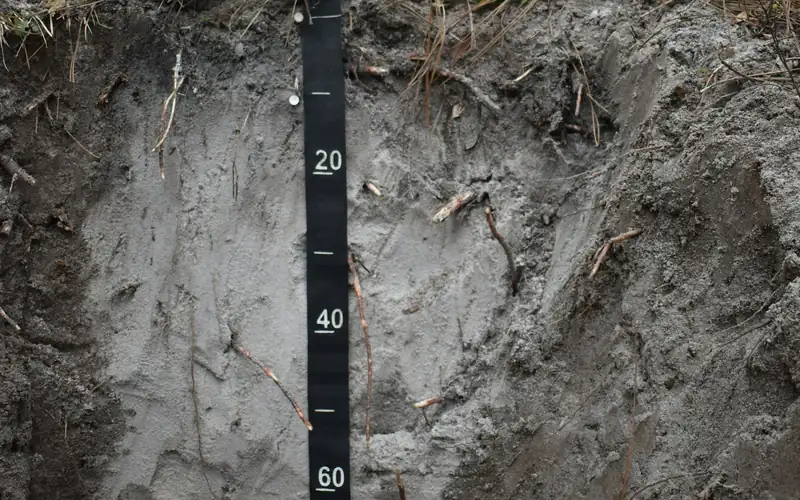
Wet, tight soils. The 2015 plan describes Deerfield soils that hold the water table within 1.5 to 2 feet of the surface for four to five months each winter and spring, Millis-Woodbridge soils with hardpan about 1.5 to 2 feet down, muck soils, and Hollis soils shallow to bedrock. Put that next to the 2-foot floor-above-springtime-high-water rule and the November 30 testing cutoff, and it's clear why soil testing timing drives a Wilmington septic job.
Wilmington's homes
A single-family town on its own systems
About 90% of Wilmington's housing is single-family, and single-family construction peaked at 190 homes in 1994 (2015 OSRP). The town's 2021 resilience plan notes that many septic tanks date from the 1960s.
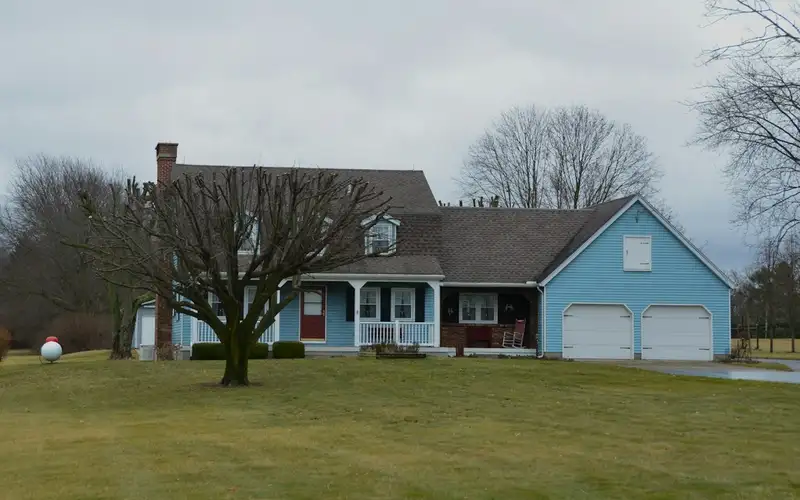

A 1960s tank under a ranch and a 1990s system under a newer colonial face the same local code when either needs an upgrade or a bedroom is added. If you're selling, buying or planning an addition, line up the Title 5 inspection and any soil testing with the Board's seasonal rule in mind.
Paying for it
Help with the cost of a septic upgrade
A town fund on the books. The town's 2020 bylaws list a Subsurface Sewage Disposal Upgrade Revolving Fund, administered by the Board of Health with Town Manager approval, for repair and upgrade of septic systems and repayment to MWPAT, with a $200,000 spending cap, for FY2018 and later (2020 bylaws). We couldn't confirm current terms, so ask the Board of Health whether it is lending now.
State help. The state septic tax credit covers 60% of qualifying costs, with costs capped at $30,000, up to $4,000 in any tax year and $18,000 in total, carried forward up to five years, for principal residence owners (DOR residential tax credits, M.G.L. c.62 §6). MassHousing describes low- and no-interest septic repair loans of up to $25,000 for owner-occupants of one- to four-family homes and condos, through participating lenders; its page doesn't state rates or terms (MassHousing septic loans).
FAQ
Wilmington septic questions
Can septic work happen in the winter in Wilmington?
The Board of Health code sets a standing seasonal rule: water and percolation testing does not continue beyond November 30, except for failed-system repairs or as the Board authorizes, and no subsurface systems may be installed from December 1 to April 1 unless the Board decides otherwise. A system that fails in late fall may mean a conversation with the Board about timing.
Who is allowed to install a septic system in Wilmington?
An installer licensed by the Wilmington Board of Health. The license requires passing a town exam with 75%, and licenses run to the end of the calendar year. The Board's approved installer list, revised July 1, 2026, has 44 names. Digging test holes also takes an installer license or equivalent.
Do my pumping records go to the town?
Yes. The code says a dumping ticket or report of each pumping job must reach the Board of Health within one month, and every pumping or hauling truck needs its own Board of Health permit. Title 5 inspection reports also go to the Board within a month.
My system failed Title 5 but the sale fell through. Do I still have to fix it?
The town's Title 5 FAQ says that whether or not you sell, a failed system typically must be upgraded within two years, unless the Board of Health or MassDEP authorizes another schedule.
What does it cost me to use New England Septic Pros?
Nothing. Asking is free for homeowners; the contractor prices the job, and the price and contract are between you and them.
Nearby