
Home › Massachusetts › Stoneham
Septic Pumping, Inspections and Repair in Stoneham, MA
Stoneham is an MWRA sewer town, so most homes here never think about a septic tank; the work that does come up is the odd remaining system, a tank to abandon, or the sewer line the owner is responsible for from the street to the foundation. Call (978) 486-7980 or use the form. A person reads every request and replies with what happens next.
- Free for homeowners
- Town and state rules on this page
- Spot Pond to the Reading line
Ask About Septic Service in Your Area
Tell us whether the house is on sewer or septic and what is going on. A person reads it and replies with what happens next.
Please add your name, a 10-digit phone number and a valid email.
Your request didn't go through on our end. Please call (978) 486-7980 so it isn't lost.
Too many requests have come from this connection in a short time. Please call (978) 486-7980 and we'll take it from there.
We couldn't finish the spam check. Wait a moment and send it again, or call (978) 486-7980.
Septic in Stoneham
What does the property need?
Pumping & Maintenance
Routine tank pumping, filter cleaning and the records your board of health or town may ask for.

Septic Inspections
Title 5 inspections before a Massachusetts sale, and system evaluations for New Hampshire buyers and owners.
Repair & Leach Field Replacement
Broken baffles, failed pumps, backups and leach fields that no longer take water, permitted the way your town requires.
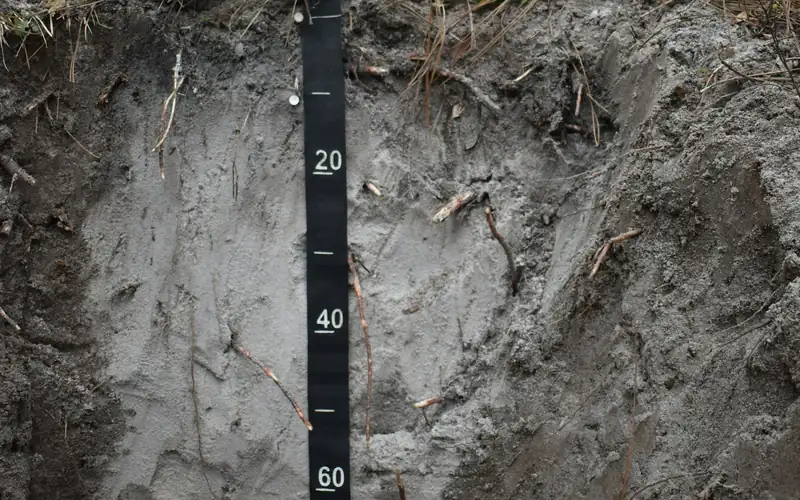
New System Design & Installation
A licensed designer or engineer draws the plan, the town or state approves it, and a permitted installer builds it.
Septic or sewer?
(978) 486-7980Tell us what you found or what's backing up, and we'll help you figure out whether it's a septic job or a sewer line job.
Permits
Septic permits and rules in Stoneham
Septic in Stoneham falls to the Board of Health (Board of Health). Chapter 20 of the town code adopts Title 5 by reference (Chapter 20), and we found no local septic design rules beyond it; the only local setback we found keeps animal-keeping structures at least 10 feet from any sewage disposal area.
- Who handles septic
- Board of Health
- Local rules
- Title 5 adopted by reference (Code Chapter 20)
- Septic construction permit
- $50
- Plan review, soil evaluation, perc test
- $50 each
- Septic haulers
- $30 per vehicle, permits expire May 31
- Sewer
- MWRA; owner maintains the lateral from the main to the foundation
Fees. The Board's fee schedule, adopted by vote on April 29, 2004, lists $50 each for a septic construction permit, septic plan review, soil evaluation and perc test, and $30 per vehicle for septic haulers, with hauler permits expiring May 31 (Board of Health fee schedule). That's the only date on the schedule, so confirm amounts with the Board.
State rules. A Stoneham home still on septic needs a Title 5 inspection within two years before a sale, or three years with yearly pumping records (MassDEP buying or selling guide), by a MassDEP-approved System Inspector from the NEIWPCC list. MassDEP says the Board of Health must approve system design and installation, and to find a licensed septage hauler you contact the Board (MassDEP consumer tips). Title 5 bars building a new system, or upgrading or expanding an existing one, where sewer connection is feasible, with listed exceptions (310 CMR 15.004), which in a sewered town usually points to a sewer connection. Any dig needs a Dig Safe notice at least 72 hours ahead, weekends and holidays excluded (M.G.L. c.82 §40A).
Last verified November 2026. Fees, restrictions and deadlines on this page are due for re-checking by November 2027. New England Septic Pros is a referral service. We don't pump, inspect or build septic systems or sewer lines; the contractor files the permits.
Sewer or septic
Sewer or septic in Stoneham
An MWRA town. The Massachusetts Water Resources Authority provides water and sewer service to Stoneham, according to the town's 2018 Open Space and Recreation Plan (2018 OSRP). The town's own system runs about 75 miles of sewer main and five pumping stations to MWRA, with ongoing repair of infiltration and inflow (Water & Sewer). Most Stoneham homes are on the sewer; the town doesn't publish how many, if any, remain on septic or where they are.
The lateral is yours. Under the town's Utility Repair Policy of March 2020, the homeowner installs, maintains and repairs the entire sewer lateral from the main to the house foundation, and the work must be done by a Town-licensed drain layer (Utility Repair Policy). A backup that isn't the house plumbing is often a lateral question, not a septic one.
Connection rules. The Sewer Use Regulations and the water and sewer connection fees are kept on file at the DPW and the Town Administrator's office rather than posted online (Code Chapter 6). If you're abandoning a tank and tying a house into the sewer, ask the DPW for those documents and the Board of Health how it wants the old system handled.
Water
Water Stoneham protects
Spot Pond. Spot Pond, acquired for public water supply in the late 19th century, is now an MWRA backup reservoir, and nearly its entire watershed lies in the Middlesex Fells Reservation. The open space plan maps Zone A and Zone B surface water supply protection areas in and abutting Stoneham, and says there are no municipal wells in town or nearby and no aquifer Zone I or Zone II designations (2018 OSRP).
Wetland buffers. The Wetlands Protection Bylaw keeps a 25-foot no-disturb strip, amended May 3, 2021, and presumes land within 100 feet of resource areas and 200 feet of rivers, ponds and lakes important (Chapter 11). The July 21, 2016 regulations keep the 100-foot buffer naturally vegetated and set wall-foundation structures at least 50 feet away (Wetlands Regulations). A lateral or tank dig near a brook goes to the Conservation Commission first.
Ledge. The open space plan says most of Stoneham's topography comes from bedrock very near or at the surface, with significant rock outcrops on some uplands. Shallow ledge limits where a leach field can go, so any soil evaluation for a remaining system starts with finding enough natural soil.
Stoneham's homes
Mostly postwar houses on the sewer
The town's Housing Production Plan, using 2011–2015 Census survey data, says the majority of Stoneham's housing was built after 1960 and that 57.1% of units are single-family homes (Housing Production Plan).

For most of these homes, the underground work that comes up is the sewer lateral, not a septic system. If a buyer's inspection, an addition or a landscaping job turns up an old tank or cesspool on a sewered lot, call the Board of Health before anyone fills it or digs it out.
FAQ
Stoneham septic and sewer questions
Are there still septic systems in Stoneham?
The town doesn't publish a count. MWRA provides Stoneham's sewer service, but the Board of Health still lists fees for septic construction permits, plan reviews, soil evaluations, perc tests and hauler permits, so some septic work still comes through the Board.
Who pays to fix the sewer line to my house?
The homeowner. Stoneham's March 2020 utility repair policy makes the owner responsible for installing, maintaining and repairing the whole sewer lateral from the main to the house foundation, using a Town-licensed drain layer.
What does the Board of Health charge for septic permits?
The fee schedule adopted April 29, 2004 lists $50 each for a septic construction permit, plan review, soil evaluation and perc test, and $30 per vehicle for septic haulers, with hauler permits expiring May 31. Ask the Board whether the amounts are still current.
Can a contractor dig near a wetland in Stoneham?
Only with the Conservation Commission's involvement. The town wetlands bylaw keeps a 25-foot no-disturb strip, and the 2016 regulations keep the 100-foot buffer naturally vegetated.
What does it cost me to use New England Septic Pros?
Nothing. Asking is free for homeowners; the contractor prices the job, and the price and contract are between you and them.
Nearby