
Home › Massachusetts › Wakefield
Septic Pumping, Inspections and Repair in Wakefield, MA
Fewer than 5% of Wakefield houses are off public sewer, and the town's plan says that when one of those systems has trouble, it is rebuilt to current standards or tied into MWRA sewer. Call (978) 486-7980 or use the form. A person reads every request and replies with what happens next.
- Free for homeowners
- Town and state rules on this page
- Lake Quannapowitt to Crystal Lake
Ask About Septic Service in Your Area
Tell us about the system and what it is doing. A person reads it and replies with what happens next.
Please add your name, a 10-digit phone number and a valid email.
Your request didn't go through on our end. Please call (978) 486-7980 so it isn't lost.
Too many requests have come from this connection in a short time. Please call (978) 486-7980 and we'll take it from there.
We couldn't finish the spam check. Wait a moment and send it again, or call (978) 486-7980.
Septic in Wakefield
What does the system need?
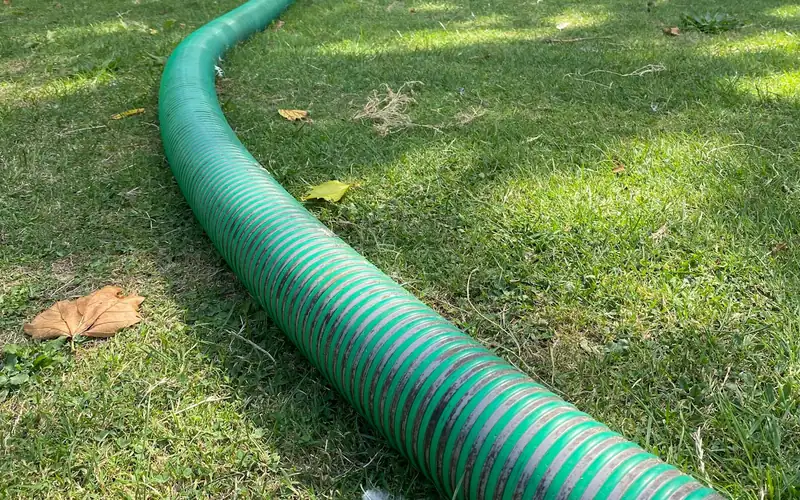
Pumping & Maintenance
Routine tank pumping, filter cleaning and the records your board of health or town may ask for.

Septic Inspections
Title 5 inspections before a Massachusetts sale, and system evaluations for New Hampshire buyers and owners.
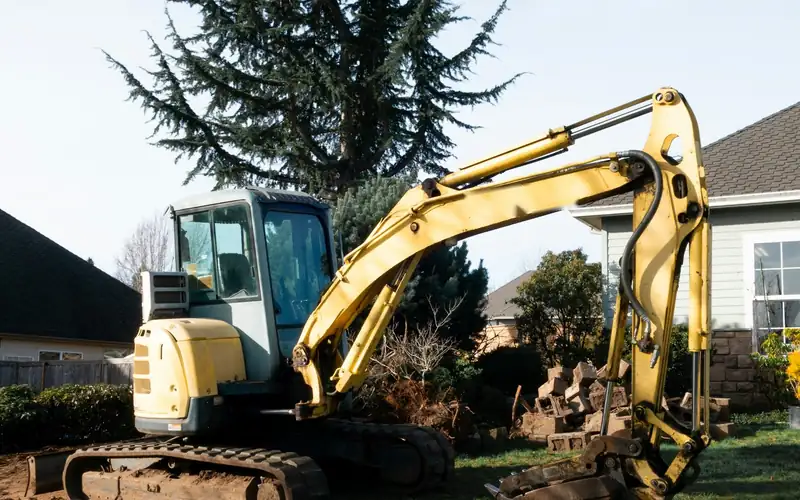
Repair & Leach Field Replacement
Broken baffles, failed pumps, backups and leach fields that no longer take water, permitted the way your town requires.
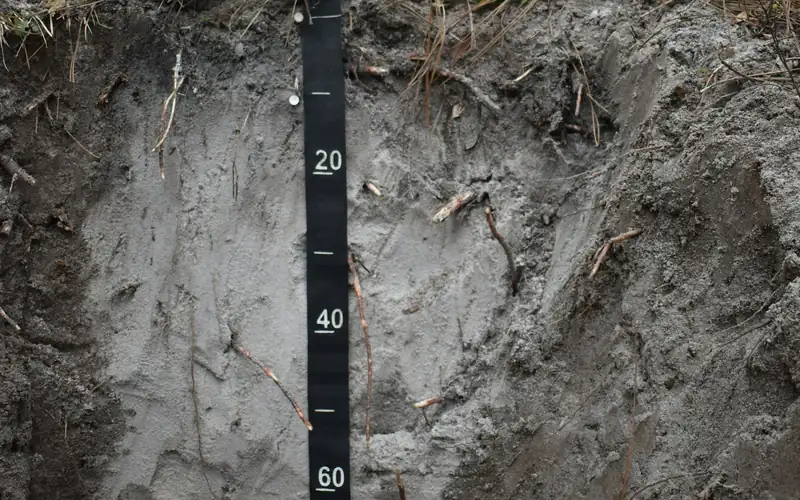
New System Design & Installation
A licensed designer or engineer draws the plan, the town or state approves it, and a permitted installer builds it.
Fix it or tie in?
(978) 486-7980Tell us what the system is doing and whether the street has sewer, and we'll help you sort out the next step.
Permits
Septic permits and rules in Wakefield
The Health Department (reached through the town hall main line, 781-246-6300) is the local board for septic in Wakefield. Its regulations page lists Title 5 as a link to the state code and no local septic regulation (Health Department Regulations), and the town's online permit portal offers animal, well construction and pre-rental inspection permits but no septic, installer, hauler or soil-testing applications (Applications). Ask the department how it wants a septic application filed.
- Health Department
- Town hall 781-246-6300; state Title 5, no local septic regulation listed
- Homes off sewer
- Fewer than 5% (2024–2031 open space plan)
- New sewer connection
- $500 (as posted November 2026, no effective date shown)
- Infiltration and inflow fee
- $450 per 110 gpd (or one bedroom) of added flow
- Septage at the town
- $110 per delivery plus flow at the sewer rate
State rules. With no local septic rules listed, Title 5 sets the terms. Selling a septic home means an inspection within two years before the sale, or three if the system was pumped yearly with records, by a MassDEP-approved System Inspector; check the NEIWPCC list (MassDEP buying or selling guide). A failed system must be upgraded within two years unless the board or MassDEP sets another schedule, even if you aren't selling. The local board approves design and installation, and MassDEP says to find a licensed septage hauler through the board (MassDEP consumer tips). Wakefield's private well regulations matter here too, since Title 5 sets septic distances from private wells.
Last verified November 2026. Fees, restrictions and deadlines on this page are due for re-checking by November 2026. New England Septic Pros is a referral service. We don't pump, inspect or connect anything; the contractor files the permits.
Sewer or septic
Sewer or septic in Wakefield
Almost all sewer. The 2024–2031 Open Space and Recreation Plan says fewer than 5% of houses are not connected to public sewer, and that when leach field or septic tank problems arise, those homes are rebuilt to current standards or connected to MWRA sewer lines (2024–2031 OSRP). The town system runs about 95 miles of main, roughly 8,500 service laterals and 11 pump and lift stations to the MWRA (Sewer Division). We found no sewer extension project and no bylaw ordering connection.
Tie-in math. The town's rates page, which shows no effective date, lists $500 for a new sanitary sewer connection and an infiltration and inflow fee of $450 per 110 gallons per day, or one bedroom, of additional flow (Water and Sewer Rates). A septic home that connects and adds bedrooms at the same time pays for that added flow. Title 5 bars upgrading or expanding a system where sewer connection is feasible, with listed exceptions (310 CMR 15.004).
Septage stays in town. The same page charges haulers a facility opening and maintenance fee of $110 per delivery, with disposal flow billed at the current sewer rate and a surcharge for off-hours deliveries. That's part of what sits behind a pumping bill here.
Water
Water Wakefield protects
Crystal Lake. About 91% of Wakefield's water came from the MWRA in 2018, but the 78-acre Crystal Lake is still a town source through the Broadway Treatment Facility, limited by MassDEP to 580,000 gallons a day (Water Division). The open space plan says the area immediately around the lake is a Zone A Surface Water Supply Protection Area, with Zones B and C reaching into the watershed, and that Lake Quannapowitt typically has seasonal algal blooms (2024–2031 OSRP). Septic work in the Crystal Lake watershed deserves extra care with the Health Department.
Wetlands, now and proposed. Today Wakefield relies on the state Wetlands Protection Act, with its 100-foot buffer and 200-foot riverfront area. A proposed local Wetlands Protection Bylaw is on the Town Meeting warrant for November 16, 2026. As proposed, it would set a 100-foot buffer and a 25-foot no build / limited disturb zone, which could reach a leach field replacement near a wetland if it passes (Proposed Wetlands Bylaw).
Rock and wet lowlands. The plan describes numerous rock outcrops where soils are shallow, Gloucester soils that are often shallow over bedrock, and organic soils in lowlands and wetlands, all of which can limit where a leach field fits.
Wakefield's homes
Older housing, a short list of septic lots
A third of Wakefield's housing units, 33%, were built before 1940, according to the final draft Housing Production Plan for FY2026–2030 dated May 15, 2025 (Housing Production Plan).


Fewer than one house in twenty is still on septic, and the town doesn't map them. If you own or are buying one, gather the pumping records and the last Title 5 report, and ask the Sewer Division whether a main runs past the lot before planning a repair.
FAQ
Wakefield septic and sewer questions
How many Wakefield homes are on septic?
The town's 2024–2031 Open Space and Recreation Plan says fewer than 5% of houses are not connected to public sewer. It doesn't say where they are.
My Wakefield septic system has a problem. Rebuild or connect?
The open space plan says that when leach field or tank problems arise, those homes are rebuilt to current standards or connected to MWRA sewer lines. Title 5 itself bars upgrading a system where sewer connection is feasible, with listed exceptions, so how close the sewer is matters.
What does connecting to Wakefield sewer cost?
As posted on the town's rates page in November 2026, with no effective date shown, a new sanitary sewer connection is $500, and there is an infiltration and inflow fee of $450 per 110 gallons per day, or one bedroom, of added flow. The contractor's work is separate.
Does Wakefield have its own wetland rules for septic work?
Not yet. Today the state Wetlands Protection Act applies. A proposed local Wetlands Protection Bylaw, with a 100-foot buffer and a 25-foot no build / limited disturb zone, is scheduled for a Town Meeting vote on November 16, 2026; it is a proposal until then.
What does it cost me to use New England Septic Pros?
Nothing. Asking is free for homeowners; the contractor prices the job, and the price and contract are between you and them.
Nearby