
Home › Massachusetts › Lexington
Septic Pumping, Inspections and Repair in Lexington, MA
Lexington's Board of Health has its own septic rulebook: tanks pumped every three years, cesspools every year, no garbage grinders, and a sewer tie-in once a system fails where sewer is available. Call (978) 486-7980 or use the form. A person reads every request and replies with what happens next.
- Free for homeowners
- Town and state septic rules on this page
- East Lexington to the Bedford line
Ask About Septic Service in Your Area
Tell us about the system and what is going on. A person reads it and replies with what happens next.
Please add your name, a 10-digit phone number and a valid email.
Your request didn't go through on our end. Please call (978) 486-7980 so it isn't lost.
Too many requests have come from this connection in a short time. Please call (978) 486-7980 and we'll take it from there.
We couldn't finish the spam check. Wait a moment and send it again, or call (978) 486-7980.
Septic in Lexington
What does the system need?
Pumping & Maintenance
Routine tank pumping, filter cleaning and the records your board of health or town may ask for.

Septic Inspections
Title 5 inspections before a Massachusetts sale, and system evaluations for New Hampshire buyers and owners.

Repair & Leach Field Replacement
Broken baffles, failed pumps, backups and leach fields that no longer take water, permitted the way your town requires.
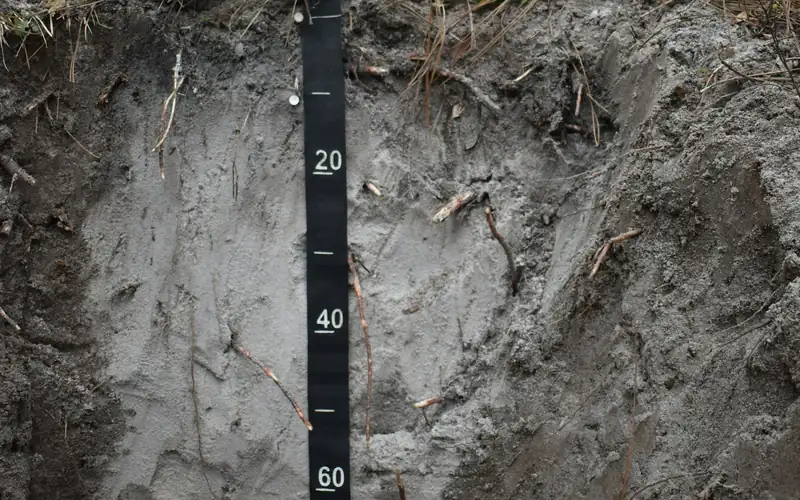
New System Design & Installation
A licensed designer or engineer draws the plan, the town or state approves it, and a permitted installer builds it.
Pumping, repair or tie-in?
(978) 486-7980Tell us when the tank was last pumped and what's going on, and we'll help you see which Lexington rule applies.
Permits
Septic permits and rules in Lexington
Septic work in Lexington goes through the Board of Health and its Health Department, under subsurface disposal regulations adopted September 14, 1999 (Board of Health regulations). Soil evaluations and percolation tests must be witnessed and signed by the Board or its agent, and the Board may ask for more tests. Installers must be licensed by the town through the Board and renew every year, and haulers must be licensed by the Lexington Board of Health. A Title 5 inspector has to give the Board two business days' notice before an inspection and file the report within 10 working days.
- Who permits
- Board of Health / Health Department
- Pumping
- Every three years; cesspools yearly; hauler files a service report
- Soil tests
- Witnessed and signed by the Board or its agent
- Installers and haulers
- Licensed by the Lexington Board of Health; installers renew yearly
- Garbage grinders
- Not allowed on a subsurface disposal system
- Sewer connections
- Town-approved drainlayers; Engineering, 201 Bedford Street, Room 202
Fees. The regulations charge owners and contractors for witnessing soil tests, inspections and outside plan review, set the installer license fee each year, and allow a deposit for review costs on new systems. We found no posted dollar amounts; ask the Health Department.
Stricter than Title 5. Beyond the pumping schedule and grinder ban, the regulations treat a system pumped more than twice in 90 days as failing, with correction required by the Board's deadline or within two years. On new-construction lots the reserve area must not be built on or paved, and seasonal high groundwater is defined as the level not exceeded in 8 of 10 consecutive years.
State rules. A sale still needs a Title 5 inspection within two years before closing, or three if the system was pumped yearly and the records exist, done by a MassDEP-approved System Inspector from the NEIWPCC list (MassDEP buying or selling guide). You don't have to hire the inspector to do any repair. Repairs need a Registered Sanitarian or Massachusetts-registered engineer's design, a Disposal System Construction Permit and a Certificate of Compliance (MassDEP repairs FAQ).
Last verified November 2026. Fees, restrictions and deadlines on this page are due for re-checking by November 2027. New England Septic Pros is a referral service. We don't pump, inspect or install; the licensed contractor files the permits.
Sewer or septic
Sewer or septic in Lexington
Most of town is sewered. The 2024 Open Space and Recreation Plan says most of Lexington is served by public sewer and water, and that septic systems are not a major contributor to pollution of the brooks or groundwater (2024 OSRP). The town sewer, about 137 miles of street sewers, 34 miles of trunk sewers and 10 pump stations, drains to the MWRA (Water/Sewer). The town doesn't publish how many homes remain on septic or where.
Fail, then connect. Under § 155-84 the Board prohibits new on-site systems, subject to exemptions, and a building with sewer access must connect once its system is found failing by a licensed inspector or by Board order. § 155-86 treats sewer as unavailable where the pipe would run more than 30 feet beyond the property line or cost more than 10% of assessed value, and allows exemptions for no increase in design flow with equal protection, manifest injustice, or conflict with wetland or other rules (Board of Health regulations).
How a tie-in works. Only town-approved drainlayers get sewer permits from Engineering at 201 Bedford Street, Room 202, applied for online by the contractor. The contractor also files a septic abandonment permit with the Health Department; the tank is pumped by a licensed hauler who files a System Pumping Record, then collapsed and filled with clean sand or removed, and metal tanks are removed. Any stub fee is added to the permit fees (Sewer Connection & Abandonment). The sewer regulations, adopted May 8, 1989, add a DPW building-sewer permit and 24 hours of notice to the DPW Director before work starts (Ch. 181). We found no sewer extension project in MassDEP's 2026 Clean Water plan for Lexington.
Water
Water Lexington protects
Other towns' drinking water. Lexington buys MWRA water and has no wells of its own, but its land drains toward two other supplies. The 2024 open space plan says Hobbs Brook feeds a reservoir Cambridge uses for public water, and that town land in the Vine Brook watershed, which provides drinking water for Burlington, protects Zone II recharge areas (2024 OSRP).
Soils. The same plan describes the Hinckley-Windsor-Au Gres soils with high water tables as the main limit, and the Hollis-Essex-Paxton-Scituate soils as shallow to bedrock, with hardpans within two feet of the surface. Both matter when a soil evaluator digs test holes for a replacement leach field.
Wetlands. The Wetlands Protection Bylaw, adopted March 26, 1997 and last amended March 24, 2014, reaches 100 feet from a resource area or the 100-year storm elevation, whichever is greater, and keeps minor activities, including utility connections, at least 25 feet from resource areas (Ch. 130). Septic or sewer-line work inside that zone goes to the Conservation Commission.
Lexington's homes
Single-family streets from the prewar and postwar years
The town's 2025 Housing Needs Assessment, using 2022 census estimates, counts 22% of homes built in 1939 or earlier and 24% from 1940 to 1959, and about 82% single-family (Housing Needs Assessment 2025).


Any of those homes still on septic is on the Board's three-year pumping clock. If you're buying one, ask for the pumping records and the last Title 5 report, and check whether a sewer runs past the lot, since a failure there usually means connecting rather than rebuilding.
FAQ
Lexington septic questions
How often does Lexington require septic pumping?
The Board of Health regulations adopted September 14, 1999 say disposal systems must be pumped every three years and cesspools yearly, and the hauler has to file a service report with the Board.
Can I have a garbage disposal on septic in Lexington?
No. The same regulations say garbage grinders may not be connected to a subsurface disposal system.
My septic system failed. Do I have to connect to sewer?
If the building has sewer access, yes: the regulations require connection once a system is found failing by a licensed inspector or by Board order. Exemptions include a sewer line that would run more than 30 feet beyond the property line or cost more than 10% of the assessed value, manifest injustice, and conflicts with wetland or other rules (§§ 155-84 and 155-86).
What happens to the old tank when a Lexington home ties in?
The contractor files a septic abandonment permit with the Health Department. A licensed hauler pumps the tank and files a System Pumping Record, then the tank is collapsed and filled with clean sand or removed; metal tanks come out. Only town-approved drainlayers get the sewer permit.
What does it cost me to use New England Septic Pros?
Nothing. Asking is free for homeowners; the contractor prices the job, and the price and contract are between you and them.
Nearby