
Home › Massachusetts › Chelmsford
Septic Pumping, Inspections and Repair in Chelmsford, MA
Chelmsford laid its last sewer pipe in 2010 and serves about 98% of the town. The other 2% now answer to Article XIX, in force since February 3, 2026, which sets pumping and inspection schedules by system age and aquifer zone. Call (978) 486-7980 or use the form. A person reads every request and replies with what happens next.
- Free for homeowners
- Town and state septic rules on this page
- Article XIX deadlines explained
Ask About Septic Service in Your Area
Tell us about the system and what is due. A person reads it and replies with what happens next.
Please add your name, a 10-digit phone number and a valid email.
Your request didn't go through on our end. Please call (978) 486-7980 so it isn't lost.
Too many requests have come from this connection in a short time. Please call (978) 486-7980 and we'll take it from there.
We couldn't finish the spam check. Wait a moment and send it again, or call (978) 486-7980.
Septic in Chelmsford
What does the system need?
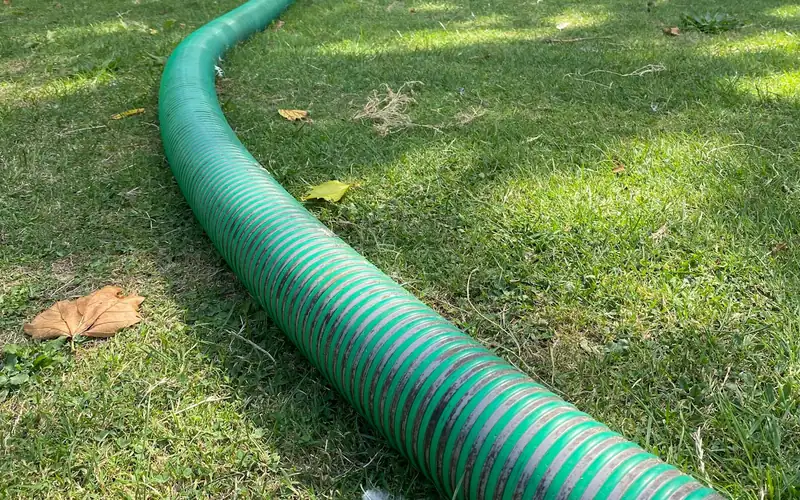
Pumping & Maintenance
Routine tank pumping, filter cleaning and the records your board of health or town may ask for.
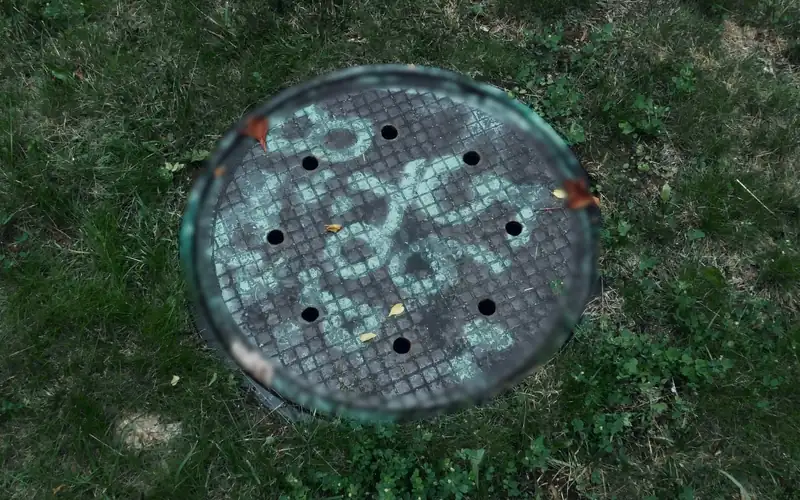
Septic Inspections
Title 5 inspections before a Massachusetts sale, and system evaluations for New Hampshire buyers and owners.
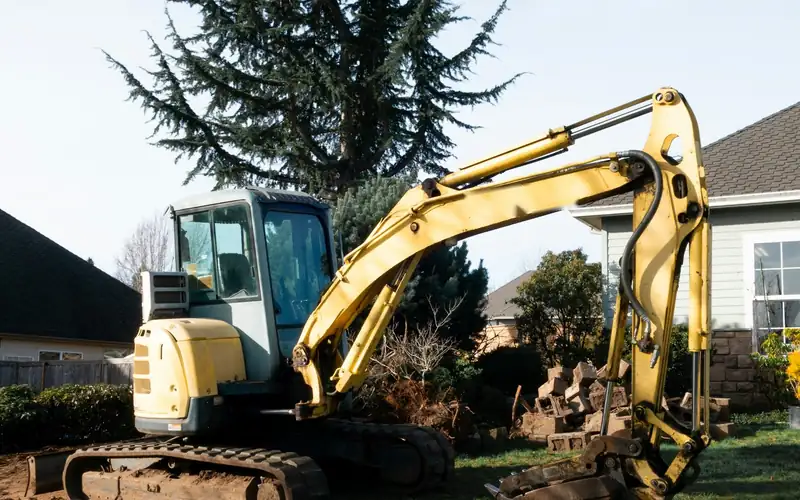
Repair & Leach Field Replacement
Broken baffles, failed pumps, backups and leach fields that no longer take water, permitted the way your town requires.
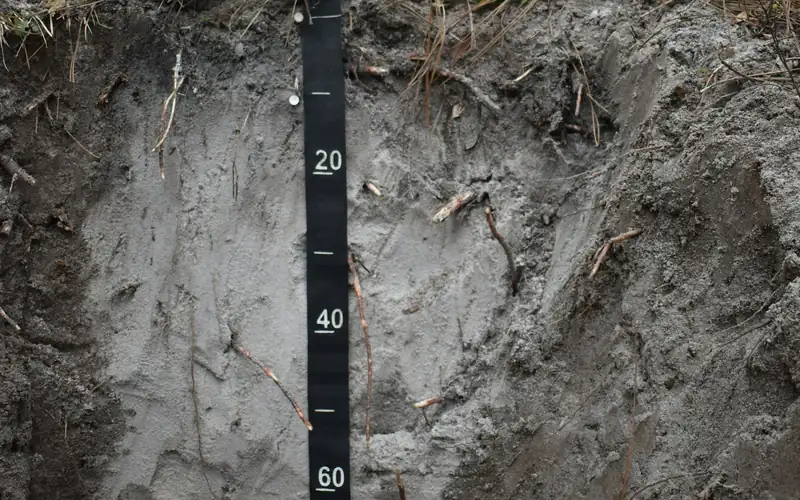
New System Design & Installation
A licensed designer or engineer draws the plan, the town or state approves it, and a permitted installer builds it.
Pumping report due?
(978) 486-7980Tell us roughly when the house was built and when the tank was last pumped, and we'll help you sort out what Article XIX asks of you.
Permits
Septic permits and rules in Chelmsford
The Board of Health runs it. Septic permits are filed through PermitEyes in three steps. First comes a soil test (perc test) application, after which the town's consultant schedules and observes the testing. Second is plan review for the Disposal System Construction Permit. Third, a licensed installer applies for the construction permit, and the town inspects the bed bottom, tank bottom, final components and final grade and samples the sand fill; the Board's fee schedule lists inspection fees separately. The installer and designer certify the work on Form 3 within 30 days; no sewage may enter the system until the Certificate of Compliance is issued, and no occupancy permit issues without it. In a Groundwater Protection Zone, other boards must sign off before the soil test step (Septic Process, updated April 2024).
A winter construction ban. The same document says soil absorption system excavation and related construction is not allowed from November 30 to April 1. It's a standing seasonal rule, so leach field excavation can't start in those months, and Article XIX requires a system with a backup or surfacing sewage to be pumped right away and then every two weeks until it is repaired.
- Soil testing
- $800 new construction; $615 upgrade or repair
- Plan review
- $380 initial; $240 revised submission
- Inspections
- $450 each for tank bottom, bed bottom and final grade; $685 system final
- Installer and pumping permits
- $125 and $150 a year, renewing December 31
- Late filing
- Permit fee doubled
- Schedule
- Implemented 11/21/2018, last revised 10/7/2024
Fees. The Board's fee schedule, implemented November 21, 2018 and last revised October 7, 2024, lists $800 for new-construction soil testing, $615 for upgrade or repair soil testing and $380 for initial plan review, with higher tiers for larger flows (Permit Fees, revised 10/7/24).
Article XIX. The On-Site Wastewater System Maintenance and Inspection regulation, Chapter 201 §§ 201-150 to 201-158, has been in force since February 3, 2026 (Article XIX). It goes well past Title 5:
- Pumping by system age: outside high aquifer areas, at least every four years up to 16 years old, every two years from 17 to 30, and every year after that; in high aquifer areas, every two years up to 16, then every year. Homes with a garbage disposal pump every year.
- Inspections every four years, or every three for high aquifer systems over 30 years old, done by a Massachusetts Class 2 wastewater operator or a Chelmsford-licensed installer.
- Pumping and inspection reports filed with the Board of Health by August 1 of the year they are due.
- A system is presumed as old as the house unless the owner shows credible evidence otherwise.
- On a failure, the inspector notifies the Board and the owner within 24 hours; a high aquifer failure needs a Board hearing before repair or replacement.
Treatment units and groundwater. Under Article VI, amended July 12, 2021, a secondary treatment unit is examined twice a year, within 14 days of March 15 and September 15, and needs an annual Permit to Operate renewed each January 1 (Article VI).
State rules. A sale needs a Title 5 inspection within two years before closing, or three years with annual pumping records, by a MassDEP-approved System Inspector; NEIWPCC keeps the list (MassDEP buying or selling guide). Designs come from a Registered Sanitarian or a Massachusetts-registered professional engineer, and perc tests happen in the presence of the approving authority (310 CMR 15.000).
Last verified November 2026. Fees, restrictions and deadlines on this page are due for re-checking by May 2027. New England Septic Pros is a referral service. We don't pump, inspect or build systems; the contractor files the permits and reports.
Sewer or septic
Sewer or septic in Chelmsford
The last 2%. Chelmsford's sewer program began in 1984 aiming at about two-thirds of residents; Town Meeting later took it townwide, and the last pipe went in in September 2010. The sewer now serves 98% of the town, and the other 2% is on onsite septic (2025 Open Space and Recreation Plan). The Board of Health's agenda for its Article XIX draft discussion listed items for all addresses on septic, septic addresses in Zone II and a GIS map of the town's high aquifer (January 6, 2026 agenda).
A full pipe. The town's allotment at the Lowell Regional Wastewater Utility is 3.01 million gallons a day, and Chelmsford is estimated to be using 95% to 99% of it (2025 Open Space and Recreation Plan). The Sewer Capacity and Connection Restriction, in effect since November 1, 2022 and last updated September 14, 2026, bars new connections or added capacity for properties that change or expand. A failed septic property can be reviewed for connection only at the Board of Health's request, only if the failed septic property is at least 20 years old and in a Zone I or Zone II aquifer protection area, and at the owner's expense; an undeveloped lot without a sewer stub needs an onsite system that meets Title 5 (connection restriction).
No forced tie-ins for working systems. Chapter 132 lets the Board of Health order a connection on 30 days' notice where sewer is available, but it will not require one for a property with an existing, properly functioning septic system; it may require one for a failing system in an environmentally sensitive area (Chapter 132). We found no posted connection or betterment fee.
Water
Water Chelmsford protects
Wellhead protection. The Aquifer Protection Overlay District, adopted in 1988, covers three separate wellhead protection areas; Zone I is a 400-foot radius around each wellhead and Zone II is the recharge area under stressed pumping (Master Plan, October 2021). Drinking water comes from three independent districts: Chelmsford, North Chelmsford and East Chelmsford (Water Districts), and the Zone II areas of two Chelmsford wells reach into Lowell.
Groundwater Protection Zone. Article VII, amended August 2, 2021, covers land where groundwater flows toward a well over stratified sand and gravel, plus land within 150 feet of the center line of certain streams. A site in the zone needs an Environmental Impact Report with a geohydrology report (Article VII).
Sand that drains fast. The 2010 open space plan says excessively drained sandy soils made private septic systems standard for single-family homes, and that sewer made lots with high groundwater buildable (2010 Open Space and Recreation Plan).
Wetlands. The Wetlands Bylaw Regulations, effective September 15, 2015, require plans to show existing septic systems and allow no disturbance, including excavation, within 25 feet of a resource area and no impervious surface within 30 feet (Wetlands Bylaw Regulations).
Chelmsford's homes
1960s houses, 1960s systems on paper
Single-family home building in Chelmsford peaked in the 1960s and '70s, according to the 2010 open space plan (2010 Open Space and Recreation Plan). Because Article XIX presumes a system is as old as the house, a septic system behind a house from that era is treated as more than 30 years old unless the owner can prove otherwise, which puts it on the annual pumping schedule.

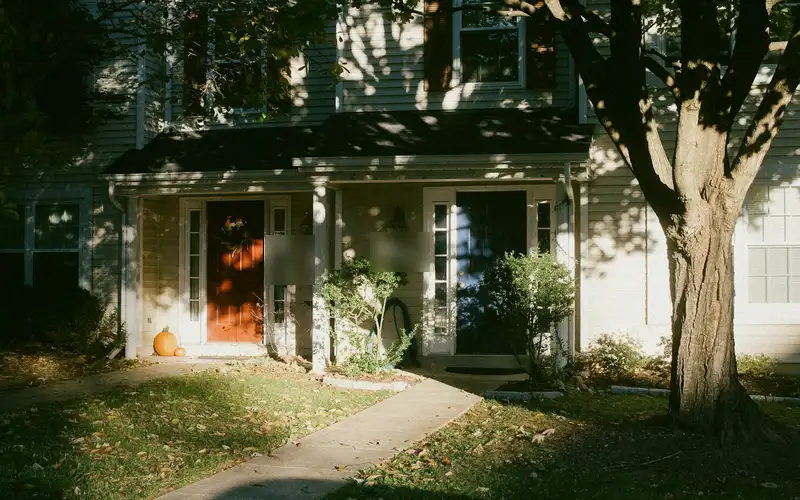
If you replaced the system since the house was built, the Certificate of Compliance or installation records are worth digging out before the next report is due. Buyers should ask for the Title 5 report, the pumping reports filed with the Board and whether the lot sits in a high aquifer area on the town's map.
FAQ
Chelmsford septic questions
How often do I have to pump under Article XIX?
It depends on the system's age and whether it is in a high aquifer area. Outside those areas, a system up to 16 years old is pumped at least every four years, one 17 to 30 years old every two years, and anything older every year. In high aquifer areas the intervals are every two years up to 16 years, then every year. Any home with a garbage disposal pumps every year. The town's GIS Town Water Resources layer decides which area you are in.
When are the reports due?
Pumping and inspection reports go to the Chelmsford Board of Health no later than August 1 of the year they are due. Inspections are every four years, or every three for a high aquifer system more than 30 years old. Pumping must be done by a hauler licensed by the Chelmsford Health Department.
How old is my system in the eyes of the Board?
Article XIX treats the system as the same age as the house unless you provide credible evidence otherwise. A permit alone or an affidavit without support doesn't count, so find the installation records and Certificate of Compliance if you have them.
Can I tie into sewer instead of replacing a failed system?
Usually not. Under the Sewer Capacity and Connection Restriction, in effect since November 1, 2022 and last updated September 14, 2026, the DPW may review a failed septic property for connection only at the Board of Health's request, only if the failed septic property is at least 20 years old and in a Zone I or Zone II aquifer protection area, and at the owner's expense.
What does it cost me to use New England Septic Pros?
Nothing. Asking is free for homeowners; the contractor prices the job, and the price and contract are between you and them.
Nearby