
Home › Massachusetts › Dracut
Septic Pumping, Inspections and Repair in Dracut, MA
Dracut has finished 32 major sewer contracts in 40 years and serves about 95% of its people. The rest, mostly around Jones Avenue, Methuen Road, Island Pond Road and northern Marsh Hill Road, still depend on septic. Call (978) 486-7980 or use the form. A person reads every request and replies with what happens next.
- Free for homeowners
- Town and state septic rules on this page
- Island Pond Road to Peters Pond
Ask About Septic Service in Your Area
Tell us about the system and what is going on. A person reads it and replies with what happens next.
Please add your name, a 10-digit phone number and a valid email.
Your request didn't go through on our end. Please call (978) 486-7980 so it isn't lost.
Too many requests have come from this connection in a short time. Please call (978) 486-7980 and we'll take it from there.
We couldn't finish the spam check. Wait a moment and send it again, or call (978) 486-7980.
Septic in Dracut
What does the system need?
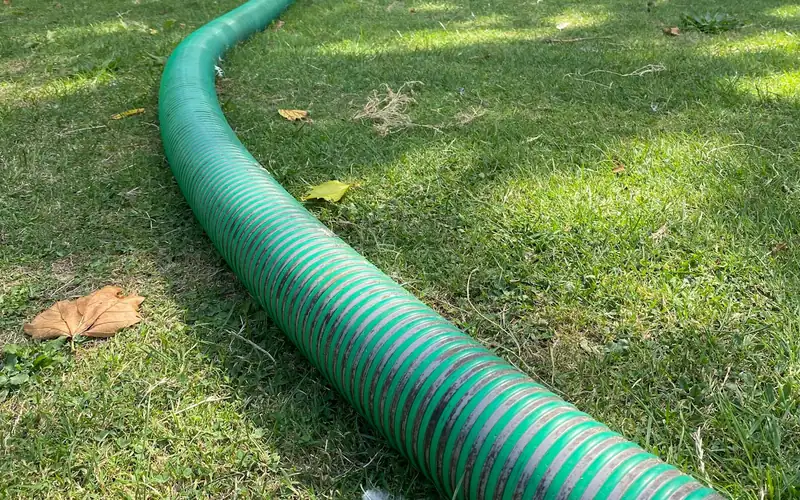
Pumping & Maintenance
Routine tank pumping, filter cleaning and the records your board of health or town may ask for.
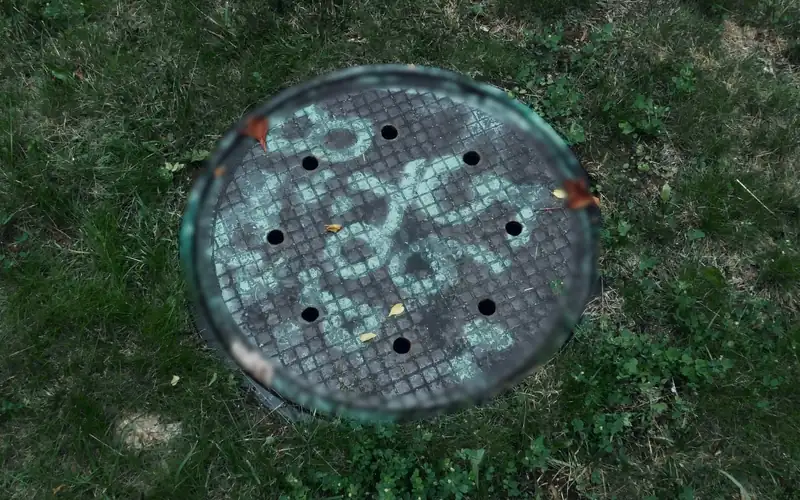
Septic Inspections
Title 5 inspections before a Massachusetts sale, and system evaluations for New Hampshire buyers and owners.
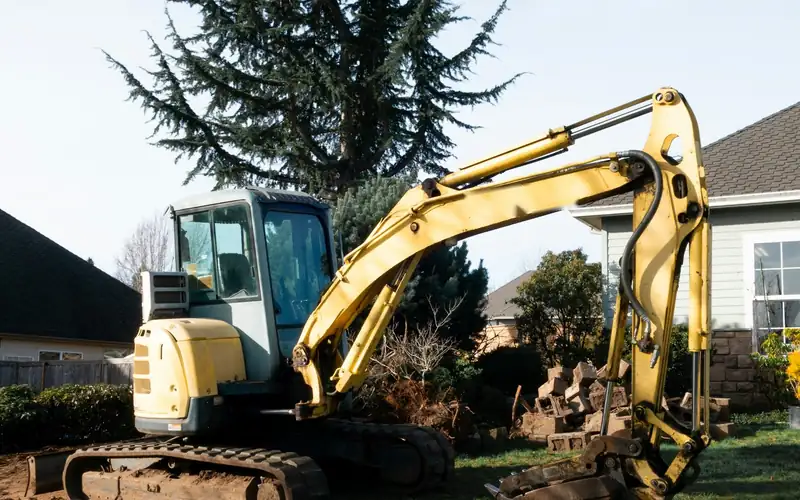
Repair & Leach Field Replacement
Broken baffles, failed pumps, backups and leach fields that no longer take water, permitted the way your town requires.
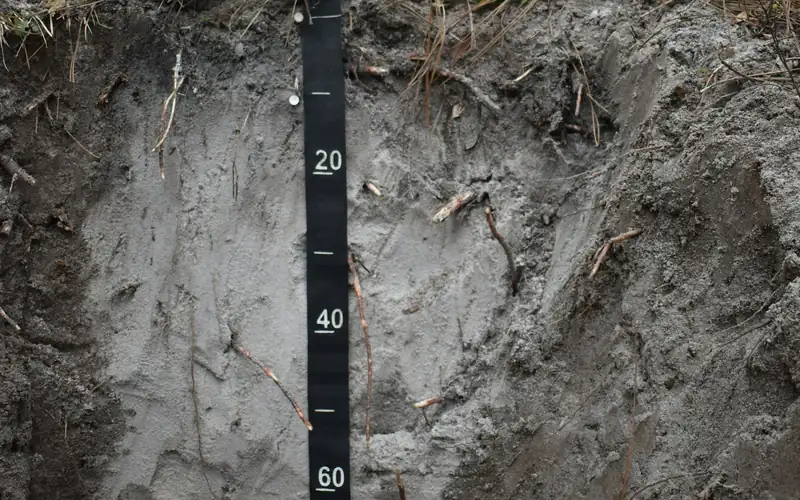
New System Design & Installation
A licensed designer or engineer draws the plan, the town or state approves it, and a permitted installer builds it.
Not sure where to start?
(978) 486-7980Tell us roughly where the house is and what the system is doing, and we'll help you work out the next step.
Permits
Septic permits and rules in Dracut
Board of Health. Septic permits come from the Dracut Health Department and Board of Health at Town Hall, 62 Arlington Street, and are filed through the town's ViewPoint Cloud portal (Health Department). The Board's fee schedule for septic and other non-food permits was revised June 18, 2026 and took effect July 1, 2026 (Schedule of Fees). It lists a fee for each step of a repair, from soil testing to the disposal works construction permit and re-inspections.
- Soil testing
- $150 repair or upgrade; $300 new construction; $25 each extra test
- Construction permits
- $150 repair or upgrade; $200 new construction or installation; $75 component only
- Other
- $30 Title V report review; $25 abandonment; $25 trench permit
- Repeat visits
- $100 third and later re-inspection; $125 third and later plan revision
- Installers
- $150 local exam; $200 annual permit
- Septage haulers
- $150 a year per vehicle
Local rules. We found no Board of Health septic regulation stricter than Title 5; the Board's posted regulations cover garbage haulers, kratom and tobacco (Health Regulations). The town does give its own installer exam before issuing the annual installer permit. A bylaw adopted in 1986 and amended in 1988 limits building permits, depending on lot size, for a new building that needs a sewage disposal system unless the lot can be served by public water and sewer, with an exception where the applicant shows the Board of Health that its standards are met (Town By-Laws, Ch. 9 § 12).
State rules. A sale needs a Title 5 inspection within two years before closing, or three years if the system was pumped every year and the records go with the report, and only a MassDEP-approved System Inspector can do it (MassDEP buying or selling guide); NEIWPCC keeps the list. A failed system generally has to be upgraded within two years unless the Board sets another schedule, and even replacing a single tank or distribution box needs a construction permit and a Certificate of Compliance (MassDEP buying or selling guide; MassDEP repairs FAQ).
Last verified November 2026. Fees, restrictions and deadlines on this page are due for re-checking by July 2027. New England Septic Pros is a referral service. We don't pump, inspect or build systems; the contractor files the permits.
Sewer or septic
Sewer or septic in Dracut
Forty years of sewer contracts. The 2001 wastewater plan, updated in 2007, set out to sewer most of Dracut over about twenty years, and the town says that has been realized: 32 major sewer contracts have been completed in the past 40 years. Eastern Dracut is served through agreements with Methuen and the Greater Lawrence Sanitary District, with Contracts 31 and 32 finished after 2014. Dracut has an agreement for 11% of the Lowell Regional Wastewater Utility's capacity, or 3.6 million gallons a day, and uses about 2.765 million gallons a day (2024 Open Space and Recreation Plan).
Where septic remains. The plan says sewer serves about 95% of the population and the remainder relies on on-site septic, mainly near Jones Avenue, Methuen Road, Island Pond Road and the northern part of Marsh Hill Road. One passage elsewhere in the plan says the entire town is connected, and the plan doesn't reconcile the two. The Sewer Department page lists no expansion projects (Sewer Department).
Connecting. We found no rule requiring connection when sewer becomes available and no posted connection or betterment fee. Connections are made by town-authorized drain layers (authorized drain layer list), and sewer usage for a home is billed at a flat $168.50 a quarter effective August 1, 2026 (Sewer Rate Fees).
Water
Water Dracut protects
Hard ground for septic. Citing the 1998 wastewater plan, the 2024 open space plan says more than 90% of Dracut's soils are generally unsuitable for septic systems, which leads to a higher failure rate and concerns about groundwater pollution. About 90% of residents are on public water, but private wells are still used in the rural parts of town (2024 Open Space and Recreation Plan).
Peters Pond
The plan says limited public access hasn't kept septic systems from causing increasing eutrophication, made worse by the pond's shallow water and few inlets and outlets.
Lake Mascuppic
Ringed by private homes, the lake had impairment problems in the late 1980s. Extending sewer to the homes around it has mitigated the pollution, the plan says.
Long Pond
A 2017 report found a significant salt load; clarity is falling and algal blooms are more frequent. Pelham, NH shares the pond.
Wetlands. The Wetlands Bylaw brings work within 100 feet of a resource area, or 200 feet of a perennial stream, before the Conservation Commission (Wetlands Permitting). The Wetland Regulations approved March 18, 2026 allow no land disturbance within 25 feet of a resource area and no new structures or impervious surface within 50 feet, with a hardship waiver possible (Wetland Regulations). Septic work separate from the house is a Category 1 filing at $55 per activity (conservation fees).
Dracut's homes
Pond camps that became houses
Dracut has 12,685 housing units, and 74.6% are single-family homes (2024 Open Space and Recreation Plan). The state's historical survey dates the summer camps around Long Pond and Peters Pond to roughly 1925 to 1940 (MHC town report).
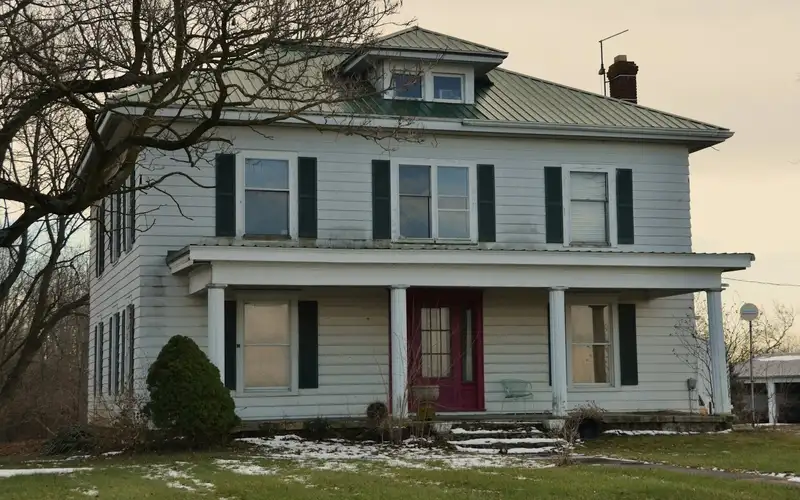
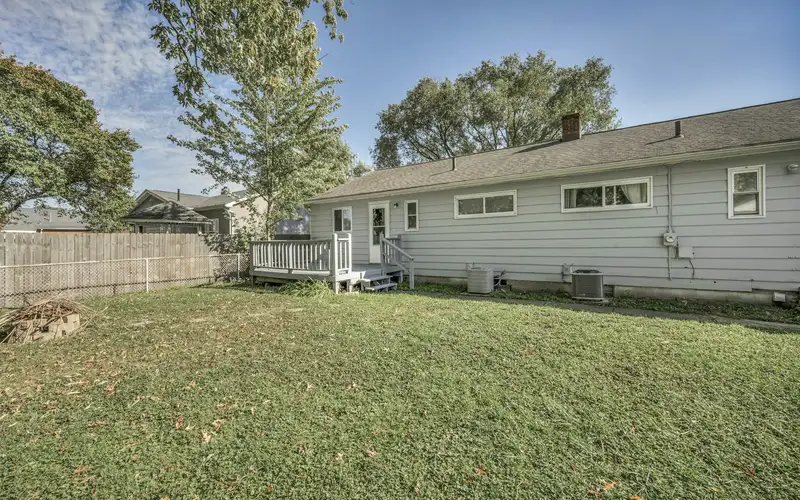
When a cottage built for summer use has become a year-round home, the septic records deserve a close read. If you're buying near one of the ponds or in the northern neighborhoods, ask whether the house is on sewer or septic, ask for the Title 5 report and pumping records, and check whether a private well shares the lot.
FAQ
Dracut septic questions
Which parts of Dracut are still on septic?
The 2024 Open Space and Recreation Plan says about 95% of Dracut's population is on municipal sewer and the rest uses on-site septic, mainly around Jones Avenue, Methuen Road, Island Pond Road and the northern part of Marsh Hill Road. The plan doesn't list individual streets, and we found no sewer extension planned for those areas.
What do septic permits cost in Dracut?
Under the Board of Health schedule effective July 1, 2026, soil testing for a repair or upgrade (two soil evaluations and a perc test) is $150, a repair or upgrade permit is $150, a component-only permit is $75 and review of a Title V inspection report is $30. New construction soil testing is $300.
Does Dracut have its own septic regulations?
We found none posted. The Board of Health's regulations page lists garbage hauler, kratom and tobacco rules, so Title 5 sets the septic standards. The town does test installers itself: the fee schedule lists a $150 Disposal Works Installer's exam and a $200 annual installer permit, and septage haulers need a $150 annual permit for each vehicle.
Can a leach field be replaced near a pond or wetland?
The Conservation Commission reviews work within 100 feet of a resource area and 200 feet of a perennial stream. Its Wetland Regulations, approved March 18, 2026, allow no land disturbance within 25 feet of a resource area and no new structures or impervious surface within 50 feet, with a hardship waiver possible. Septic work separate from the house is a $55 Category 1 filing.
What does it cost me to use New England Septic Pros?
Nothing. Asking is free for homeowners; the contractor prices the job, and the price and contract are between you and them.
Nearby