
Home › New Hampshire › Pelham
Septic Pumping, Inspections and Repair in Pelham, NH
Pelham has no public sewer: every home in town runs on its own septic system, and about 95% of residents also have a private well. Call (978) 486-7980 or use the form. A person reads every request and replies with what happens next.
- Free for homeowners
- Town and state septic rules on this page
- Long Pond to Little Island Pond
Ask About Septic Service in Your Area
Tell us about the system and what it is doing. A person reads it and replies with what happens next.
Please add your name, a 10-digit phone number and a valid email.
Your request didn't go through on our end. Please call (978) 486-7980 so it isn't lost.
Too many requests have come from this connection in a short time. Please call (978) 486-7980 and we'll take it from there.
We couldn't finish the spam check. Wait a moment and send it again, or call (978) 486-7980.
Septic in Pelham
What's going on with the system?
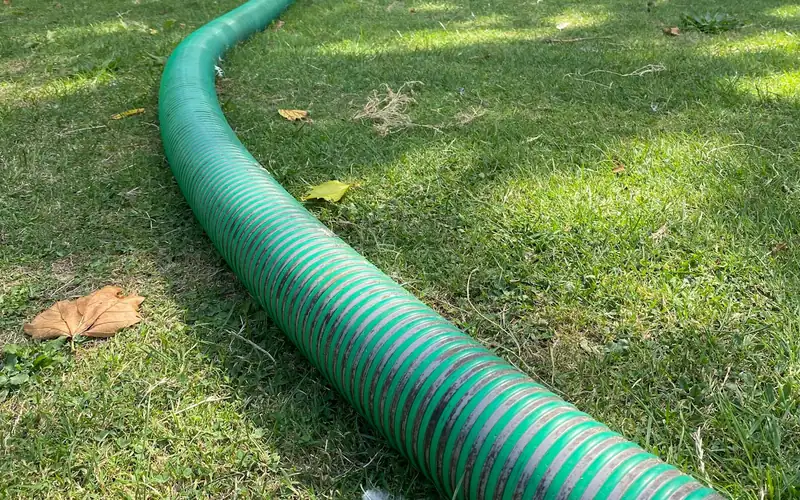
Pumping & Maintenance
Routine tank pumping, filter cleaning and the records your board of health or town may ask for.
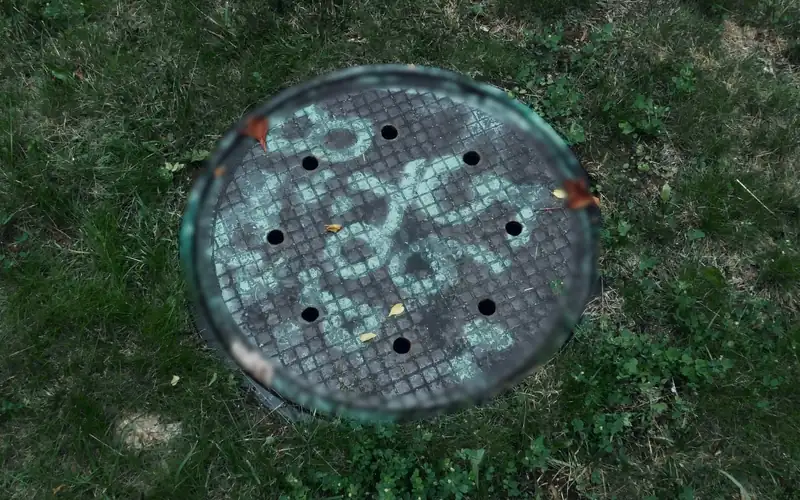
Septic Inspections
Title 5 inspections before a Massachusetts sale, and system evaluations for New Hampshire buyers and owners.
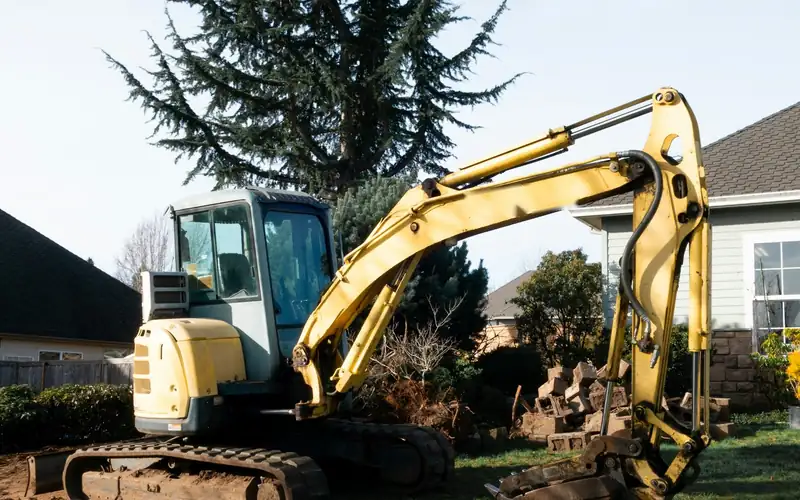
Repair & Leach Field Replacement
Broken baffles, failed pumps, backups and leach fields that no longer take water, permitted the way your town requires.
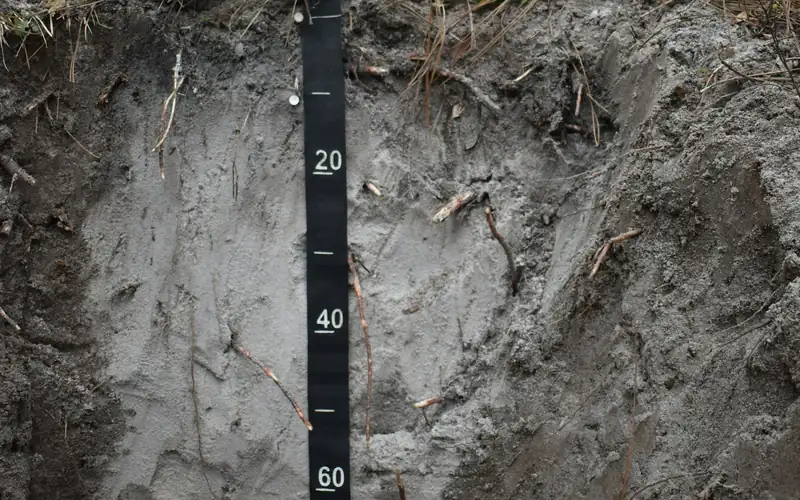
New System Design & Installation
A licensed designer or engineer draws the plan, the town or state approves it, and a permitted installer builds it.
Not sure what it needs?
(978) 486-7980Tell us where the well sits, whether the house is near a pond and what the system is doing, and we'll help you figure out the next move.
Permits
Septic permits and rules in Pelham
Pelham's Health Department handles septic: its Deputy Health Officer covers "sewage disposal system design, installation, and applications" and witnesses soil testing (Health Department). The Planning Department at 6 Village Green posts the permit forms, including a Septic System Application (Building Permits). The town posts its septic fees in the building permit fee schedule adopted February 10, 2026 and effective March 1, 2026 (fee schedule); check it, or call the department, for current amounts. NHDES approval is required as well, and zoning board cases cite NHDES approval numbers for individual systems.
- Septic office
- Health Department; permit forms from the Planning Department, 6 Village Green
- Application
- Septic System Application form from the Planning Department
- Septic fees
- Posted in the fee schedule effective March 1, 2026
- Leachfield setbacks
- 50 ft from poorly drained soils; 75 ft from very poorly drained soils, ponds, streams and year-round brooks
- New wells
- 75 ft from all septic tanks and leaching fields
- Public sewer
- None
Local setbacks and lot rules. Pelham's zoning ordinance, revised March 2026, says "Residential and commercial septic leachfields must be setback from wetland areas": 50 feet from poorly drained soils, 75 feet from very poorly drained soils and 75 feet from ponds, streams and year-round brooks (§307-41(A)). A new single-family lot needs 35,000 contiguous square feet of non-wetland area (55,000 for a two-family), and that area must include room for "both a primary and an alternate leach field location"; poorly drained soils don't count, and neither does land where ledge and bedrock aren't covered by at least four feet of existing soil (§307-13). In the Aquifer District, septage disposal sites and lagoons are prohibited and on-site systems must be placed to avoid or minimize groundwater contamination (§307-28, §307-33), and in flood hazard areas they must be located to avoid impairment during flooding (§307-47B). An accessory dwelling unit needs a sewage disposal approval application, but "Separate septic systems shall not be required" if the existing system is determined to be adequate (§307-19) (Zoning Ordinance, revised March 2026).
State rules. NHDES issues an Approval for Construction and, after inspection, an Approval for Operation (NHDES septic systems). Designs come from an NHDES-permitted designer, paid installers need an NHDES installer's permit (RSA 485-A:35; RSA 485-A:36), and adding load, such as bedrooms, means applying to NHDES first (RSA 485-A:38). New Hampshire has no general septic inspection when a home sells; on developed waterfront, where any part of the system is within 250 feet of the reference line, the buyer generally has a licensed septic system evaluator check it before transfer (RSA 485-A:39). Pumping should go to an NHDES-permitted septage hauler (Env-Wq 1600). Past approvals for a property are on NHDES OneStop, and excavation needs a Dig Safe notice at least 72 hours ahead, weekends and holidays excluded (Dig Safe).
Last verified November 2026. Fees, restrictions and deadlines on this page are due for re-checking by March 2027. New England Septic Pros is a referral service. We don't design, install or pump septic systems; your designer and installer handle the permits.
Sewer or septic
Sewer or septic in Pelham
Septic, everywhere. "100% of Pelham uses private septic systems," the Water Commission says, and there is "no public sewage." About 95% of residents have private wells, and some addresses get Pennichuck water. The commission exists to bring water service to properties whose wells were hit by MTBE and other contaminants; it doesn't cover septic, and its Wastewater Research Subcommittee was dissolved in 2026 (Water Commission). There is no sewer to connect to, no hookup fee and no extension project, so every repair, replacement and sale in town is a septic question.
Well and septic on one lot. Pelham's Well Ordinance, adopted May 16, 2000 and revised October 1, 2024, puts new wells "seventy-five (75) feet from all septic tanks and leaching fields." The tank distance may drop to 50 feet if the sewer line is SDR 26 or better and the tank is "sealed and grouted." "Backwash from water treatment systems shall not be discharged into the dwelling's sewage disposal system" unless "the design is sized to accommodate the additional flow," a rule that can't be waived (Well Ordinance). If you're adding a water softener or other treatment, tell your designer before the backwash line is run.
Upkeep. The town's "Get Pumped" page advises inspection "at least every three years" and pumping "as recommended by the inspector (approx. every three to five years)," and says to keep "roof drains, sump pumps, and other rainwater drainage" away from the leach field (Get Pumped).
Water
Water Pelham protects
Long Pond. "Long Pond has experienced recurring cyanobacteria blooms." The town is developing a watershed management plan whose kickoff meeting was held September 23, 2026, and it lists septic systems among potential pollutant sources (Long Pond Watershed Management Plan). As of November 2026 the plan was still in development.
Ponds and aquifers. The 2023 Conservation Plan lists Gumpas Pond (89.9 acres), Harris Pond (45.7 acres), Little Island Pond (159.24 acres) and Long Pond (120.5 acres), which is on the EPA 303(d) list for phosphorus. It places much of the town's highest-yield aquifer in the Lower Beaver Brook watershed and till and bedrock aquifers of "fractured rock or ledge" that serve private wells, and ties the town's wetlands to "a localized higher water table" (2023 Conservation Plan). Septic setbacks from those ponds are 75 feet under town zoning; state shoreland setbacks run 75 to 125 feet depending on the soil (RSA 483-B:9).
Wetland Conservation District. The district covers wetlands of 2,000 square feet or more and all land within 50 feet of a wetland, perennial stream or water body, and "No building or structure may be located within a Wetland Conservation District area" (§307-37, §307-41B, Zoning Ordinance).
Pelham's homes
Five thousand homes, five thousand septic systems
Pelham has 5,089 housing units, 4,591 of them single-family plus 16 mobile homes (NHES community profile, ACS 2015–2019), and with no public sewer, every one of them is on private septic. We couldn't load the 2024 Master Plan, so we have no official figures on home ages.
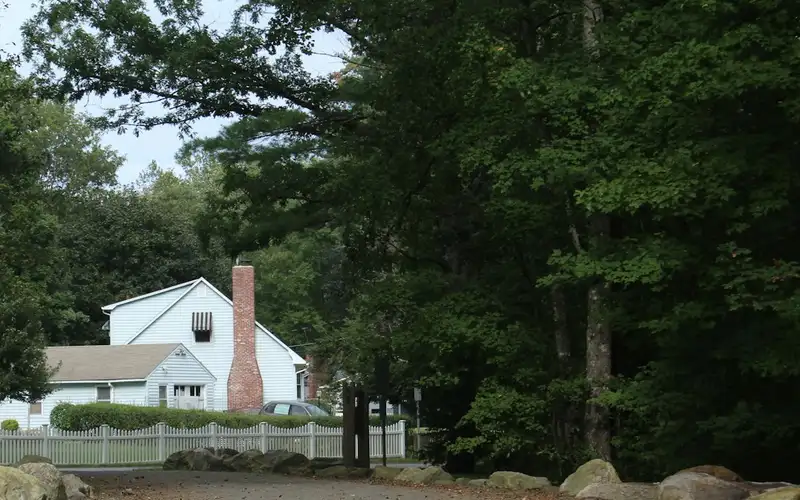
Most of those homes also have their own well, so a septic repair here is planned around the well: the 75-foot well rule, the backwash rule and the leachfield setbacks from wet soils all come into play on the same lot. The Health Department's witnessed soil testing is where that planning starts.
FAQ
Pelham septic questions
Does Pelham have town sewer?
No. The town's Water Commission says 100% of Pelham uses private septic systems and there is no public sewage. A Wastewater Research Subcommittee was dissolved in 2026.
How far does a leachfield have to be from wetlands in Pelham?
Under the zoning ordinance revised in March 2026, residential leachfields must be set back 50 feet from poorly drained soils, 75 feet from very poorly drained soils and 75 feet from ponds, streams and year-round brooks.
Can water treatment backwash go into my septic system?
Not unless the septic design is sized for the extra flow. The Well Ordinance, revised October 1, 2024, bars backwash from water treatment systems from going into the home's sewage disposal system otherwise, and that section can't be waived.
What is the town doing about Long Pond?
Long Pond has had recurring cyanobacteria blooms and is on the federal impaired-waters list for phosphorus. The town is developing a watershed management plan; the kickoff meeting was held September 23, 2026, and septic systems are among the potential pollutant sources it lists.
What does it cost me to use New England Septic Pros?
Nothing. Asking is free for homeowners; the contractor prices the job, and the price and contract are between you and them.
Nearby