
Home › New Hampshire › Salem
Septic Pumping, Inspections and Repair in Salem, NH
Salem holds septic systems to local rules "more stringent than state regulations," inspects test pits, bed bottoms and finals, and keeps absorption fields 100 feet back from Canobie Lake, one of its drinking water sources. Call (978) 486-7980 or use the form. A person reads every request and replies with what happens next.
- Free for homeowners
- Town and state septic rules on this page
- Canobie Lake to Arlington Pond
Ask About Septic Service in Your Area
Tell us about the system and what it is doing. A person reads it and replies with what happens next.
Please add your name, a 10-digit phone number and a valid email.
Your request didn't go through on our end. Please call (978) 486-7980 so it isn't lost.
Too many requests have come from this connection in a short time. Please call (978) 486-7980 and we'll take it from there.
We couldn't finish the spam check. Wait a moment and send it again, or call (978) 486-7980.
Septic in Salem
What does the system need?
Pumping & Maintenance
Routine tank pumping, filter cleaning and the records your board of health or town may ask for.
Septic Inspections
Title 5 inspections before a Massachusetts sale, and system evaluations for New Hampshire buyers and owners.
Repair & Leach Field Replacement
Broken baffles, failed pumps, backups and leach fields that no longer take water, permitted the way your town requires.
New System Design & Installation
A licensed designer or engineer draws the plan, the town or state approves it, and a permitted installer builds it.
Not sure where to start?
(978) 486-7980Tell us whether you're near a lake, got a sewer letter or need a replacement, and we'll help you sort out what the town will want first.
Permits
Septic permits and rules in Salem
Septic permits in Salem come from the Health Division, part of the Fire Department's Inspectional Services, and are filed online on the town's OpenGov portal (Health Division; Septic Systems). The town FAQ walks through the process: a licensed designer pays the permit fee, meets the Health Department on site and submits plans; the town reviews and stamps them and returns copies for state approval; "The State approval period is generally 2 to 3 weeks." The installer then gets an installation permit and "calls the Health Department with a 48-hour notice" for the bed bottom inspection and the final inspection before backfilling (septic FAQ).
- Septic permits
- Health Division, Inspectional Services, Salem Fire Department
- Apply online
- OpenGov
- Inspection fees
- $100 each (undated requirements sheet)
- Notice
- 48 hours for test pits, bed bottoms, finals and wells
- Wetlands
- 75 feet under Ch. 391; the Health Division confirms it for your lot
- Canobie Lake
- 100-foot absorption field setback
- Septic tank
- Outlet filter required
Posted requirements and fees. The Health Division's Septic and Well Requirements sheet, which carries no date, asks for "2 hard copies or an electronic version" of the design and a "Minimum of 48 Hours Notice for Inspections (Test Pits, Bed Bottoms, Finals, Wells)." It lists $100 each for plan review, plan re-submittal, test pit, bed bottom, final, re-inspection and well, and notes that the state does its own final inspection. It requires filter fabric over the system, says "Outlet Filter must be installed in the Septic Tank," sets a "100 foot setback of absorption field to Canobie Lake," and sends every waiver to the town, with wetland-setback waivers for new construction going to the Conservation Commission and Planning Board (Septic and Well Requirements).
Chapter 391. Salem's Sewage Disposal Systems and Wells chapter, adopted by the Board of Selectmen in 1966 and last amended January 12, 2009, requires systems to meet state rules plus local requirements "more stringent than state regulations," and a Health Division permit "prior to the commencement of any work." It says septic systems must be "75 feet from all wetlands regardless of soil types" and gives no design approval within 75 feet of Hydric B soils without a Zoning Board variance. The posted sheet lists setbacks by wetland type, so ask the Health Division to confirm the setback for your lot before the design is drawn. Holding tanks are allowed only to replace a failed system where no conventional system can be built, and portable toilets can't stand in for a failed septic (Ch. 391). Zoning adds a 100-foot undisturbed buffer between a prime wetland and new development (§490-706). The sewer chapter says the town inspects within 24 hours of notice before a system is covered, only licensed operators may remove sludge, and no permit is issued for a soil absorption system on an undersized lot (§398-3).
State rules. Every system needs an NHDES Approval for Construction and an Approval for Operation (NHDES septic systems), designed by an NHDES-permitted designer and installed by a permitted installer (RSA 485-A:35; RSA 485-A:36). Near Salem's lakes, the state's sale rule matters: before developed waterfront property changes hands, if any part of the system is within 250 feet of the reference line, the buyer generally has it checked by a licensed septic system evaluator, and a failing system must be replaced within 180 days of transfer (RSA 485-A:39). Other sales carry no state septic inspection requirement. Excavation needs a Dig Safe notice at least 72 hours ahead, weekends and holidays excluded (Dig Safe).
Last verified November 2026. Fees, restrictions and deadlines on this page are due for re-checking by May 2027. New England Septic Pros is a referral service. We don't design, install or pump septic systems; your designer and installer file the permits.
Sewer or septic
Sewer or septic in Salem
Where the sewer doesn't reach. Salem collects its wastewater and sends it to the Greater Lawrence Sanitary District in Massachusetts (Utilities). The town's 2017 Sewer Master Plan names the service areas "not currently served by the public sewer" as Arlington/Captains Pond, Millville Street, Lake Street and the West Side, and cites "failing septic systems in the Lakes Area" as a need that may raise the priority of extending sewer there. Planned extensions near Arlington Pond, a drinking water reservoir, "would help remove the nutrient and bacteria loads," Lake Street extensions would protect a brook that feeds Canobie Lake, and beaches at Shadow Lake and Millville Lake sometimes show high bacteria (2017 Sewer Master Plan). The town doesn't publish what share of homes is sewered, and as of November 2026 we found no project page showing whether those extensions have been built.
When the letter comes. Owners of buildings on a street with public sewer within 200 feet must connect within 90 days of official notice, a certified letter from the Director of Engineering, and the septic tank or cesspool must then be "filled and sealed" (§398-2, §398-3). The chapter provides for permit and inspection fees but lists no amounts, and we found no posted connection fee; ask Engineering before budgeting.
Water
Water Salem protects
Two reservoirs. Canobie Lake and Arlington Pond are Salem's primary surface water sources, with watersheds of 381.4 acres and 1,095.3 acres, according to the Conservation Commission's May 2026 Open Space Master Plan. The same plan says aquifers underlie the center of town, with 20 active public wells, and puts wetlands at 16.4% of the town's land and water area (2026 Open Space Master Plan). The 100-foot Canobie Lake setback on the town's requirements sheet guards one of those two sources.
Shoreland. The Conservation Commission lists Captains Pond, Canobie Lake, World's End Pond, Arlington Pond, Millville Pond, Shadow Lake and the Spicket River as waters under the state Shoreland Protection Act (wetland and shoreland brochure). There, state septic setbacks run 75 to 125 feet from the reference line depending on the soil, a replacement must meet them "to the maximum extent feasible," and construction or excavation within 250 feet may need an NHDES shoreland permit (RSA 483-B:9; protected shoreland).
Salem's homes
Seasonal homes turned year-round, and a 1970s boom
An older Population and Housing chapter of the master plan records heavy building in the 1970s, with 1,194 single-family, 864 two-or-more-family and 881 mobile home permits, and formerly seasonal units converted to year-round use (Population and Housing chapter). Salem now has 12,888 housing units, 718 of them mobile homes or other units (NHES community profile, ACS 2017–2021).
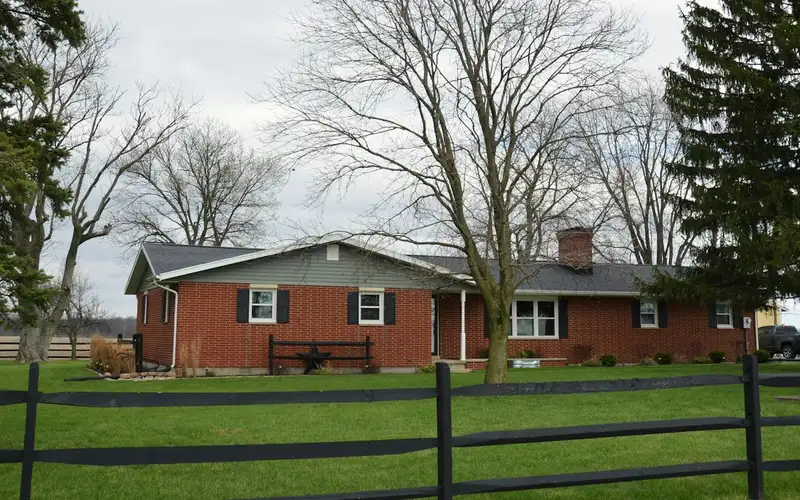
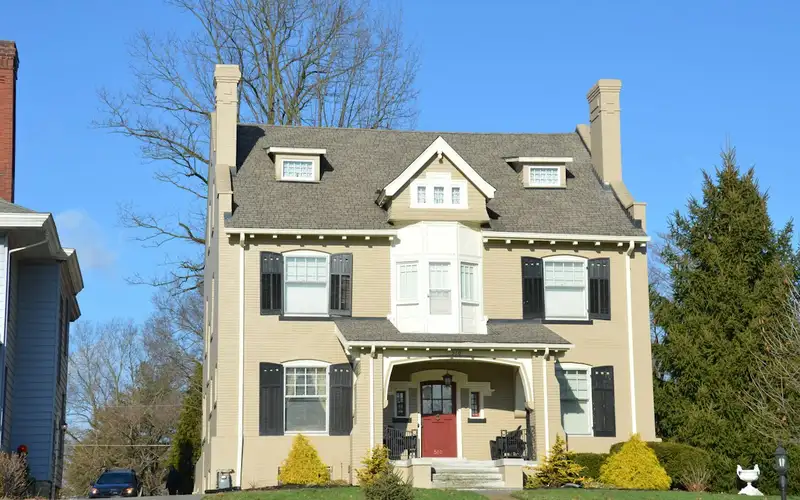
NHDES says an approval for construction must be obtained before a seasonal structure is converted to full-time occupancy, and adding bedrooms or other load needs an NHDES application first (NHDES septic systems; RSA 485-A:38). In the Lakes Area, where the 2017 sewer plan reports failing septic systems, that step comes before the renovation, not after.
FAQ
Salem septic questions
How far does a septic system have to be from a wetland in Salem?
Chapter 391 of the Town Code says septic systems must be "75 feet from all wetlands regardless of soil types," and no design approval is given within 75 feet of Hydric B soils without a Zoning Board variance. The Health Division confirms the setback that applies to your lot, so check with it before the design is drawn.
What does Salem charge for septic inspections?
The Health Division's posted Septic and Well Requirements sheet, which carries no date, lists $100 each for plan review, plan re-submittal, test pit, bed bottom, final, re-inspection and well. Inspections need at least 48 hours of notice.
Can an old system be replaced in kind?
Sometimes. For a replacement, the designer schedules a test pit with the Health Department, which determines whether the system can be replaced in kind or needs a new design.
When does Salem require a sewer connection?
If a public sewer runs in your street within 200 feet of the building, you must connect within 90 days of official notice, which comes as a certified letter from the Director of Engineering. The old tank or cesspool then has to be filled and sealed.
What does it cost me to use New England Septic Pros?
Nothing. Asking is free for homeowners; the contractor prices the job, and the price and contract are between you and them.
Nearby