
Home › New Hampshire › Derry
Septic Pumping, Inspections and Repair in Derry, NH
The town's master plan summary puts about 30% of Derry's residents on town sewer, rural Derry runs on septic, and the town's 2025 Big Island Pond plan names septic systems as the pond's largest phosphorus source. Call (978) 486-7980 or use the form. A person reads every request and replies with what happens next.
- Free for homeowners
- Town and state septic rules on this page
- Beaver Lake to Big Island Pond
Ask About Septic Service in Your Area
Tell us about the system and what it is doing. A person reads it and replies with what happens next.
Please add your name, a 10-digit phone number and a valid email.
Your request didn't go through on our end. Please call (978) 486-7980 so it isn't lost.
Too many requests have come from this connection in a short time. Please call (978) 486-7980 and we'll take it from there.
We couldn't finish the spam check. Wait a moment and send it again, or call (978) 486-7980.
Septic in Derry
What is the system doing?
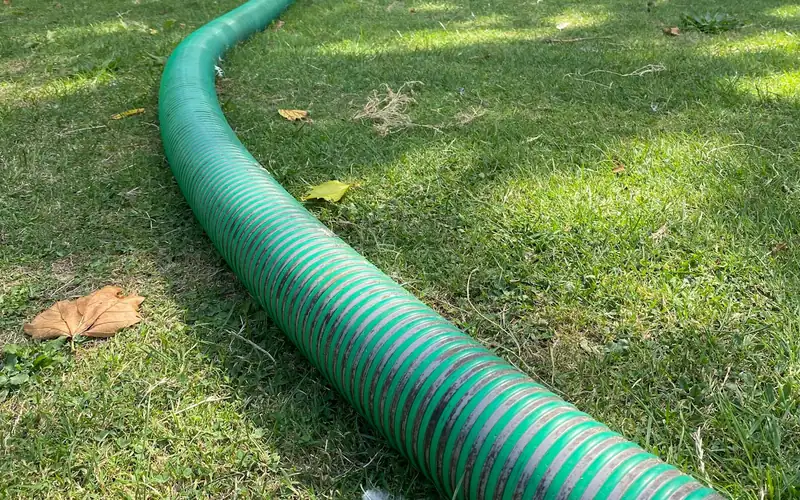
Pumping & Maintenance
Routine tank pumping, filter cleaning and the records your board of health or town may ask for.
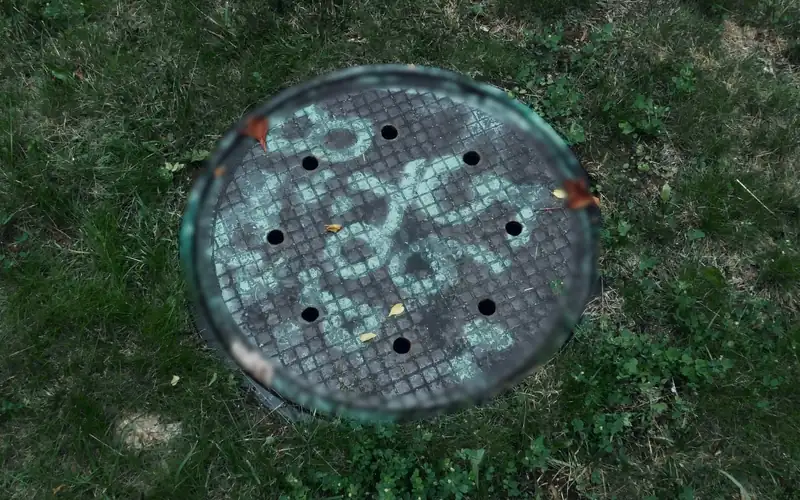
Septic Inspections
Title 5 inspections before a Massachusetts sale, and system evaluations for New Hampshire buyers and owners.
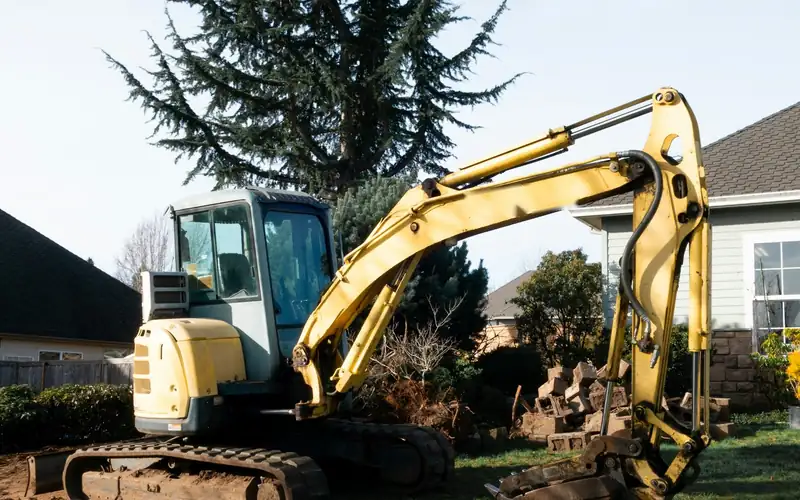
Repair & Leach Field Replacement
Broken baffles, failed pumps, backups and leach fields that no longer take water, permitted the way your town requires.
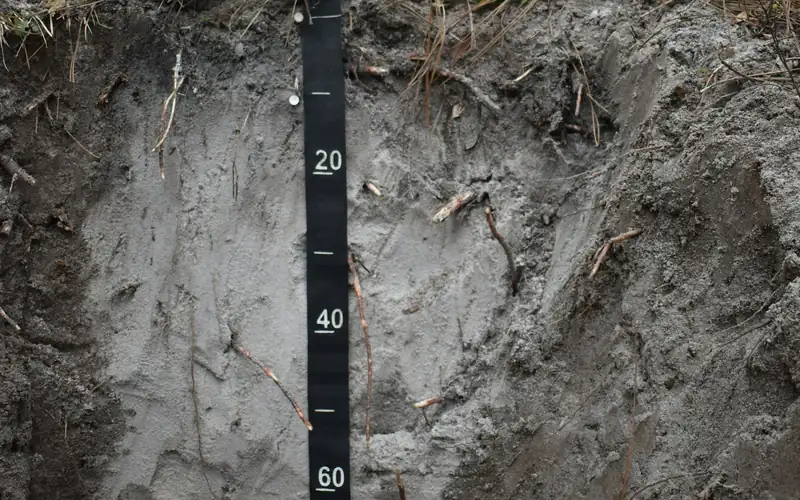
New System Design & Installation
A licensed designer or engineer draws the plan, the town or state approves it, and a permitted installer builds it.
Not sure what it needs?
(978) 486-7980Tell us whether you're near a pond or wetland, adding a bedroom or dealing with a slow drain, and we'll help you work out where to begin.
Permits
Septic permits and rules in Derry
Derry requires a building permit for septic systems and wells (Items That Require a Building Permit), and its online permit portal, PermitEyes, carries septic installation and well permit types (Online Permits). Zoning calls for "sewage disposal systems approved by the State of New Hampshire Water Supply and Pollution Control Division" (§165-22). We didn't find a posted septic permit fee; the town will tell you when you apply.
- Town permit
- Building permit for septic systems and wells
- Apply online
- PermitEyes
- State approvals
- NHDES Approval for Construction, then Approval for Operation
- Wetlands
- No waste disposal system within 75 feet of any wetland
- Conservation corridor
- 125-foot buffer from a tank or absorption field
- Unsewered lots
- 10,000 more square feet per 200 gallons a day beyond the first 200
Local setbacks and lot size. Derry's zoning adds its own septic setbacks and lot-size rules. "No waste disposal systems shall be located closer than 75 feet to any wetland" (§165-18), and "A buffer zone of at least 125 feet shall be required between a septic tank or an absorption field" and the Conservation Corridor Overlay District (§165-17) (§165-17 and §165-18). Buildings sit 75 feet from wetlands of an acre or more and 30 feet from smaller ones (§165-20). An unsewered lot needs "an additional 10,000 square feet of lot size above the minimum for the zone for each 200 gallons per day" beyond the first 200, unless adequate plans for a smaller lot are shown (§165-12, amended 2015) (Zoning). The current Zoning Ordinance took effect September 3, 2026 (Zoning Ordinance). At its February 5, 2026 meeting the Zoning Board applied the 75-foot wetland buffer and an abutter raised the 75-foot well radius on a proposed well (ZBA minutes).
State rules. NHDES issues the Approval for Construction and, after it inspects the work, the Approval for Operation (NHDES septic systems). Plans are signed by an NHDES-permitted designer and paid installers carry an NHDES installer's permit (RSA 485-A:35; RSA 485-A:36). The state charges $450 per application (RSA 485-A:30). Sales of most homes carry no state septic inspection, but on developed waterfront the buyer generally has a licensed septic system evaluator check a system that is within 250 feet of the reference line before transfer (RSA 485-A:39). Use an NHDES-permitted septage hauler (Env-Wq 1600), and call Dig Safe at least 72 hours before digging, weekends and holidays excluded (Dig Safe).
Last verified November 2026. Fees, restrictions and deadlines on this page are due for re-checking by May 2027. New England Septic Pros is a referral service. We don't design, install or pump septic systems; your designer and installer handle the permits.
Sewer or septic
Sewer or septic in Derry
Seven in ten off the sewer. "Approximately 30% of the Town's population is connected to the municipal sewer system," says the master plan's undated Summary of Existing Conditions; rural areas are on septic, and about half of residents use private wells. The summary, written around 2019, said there was "ample capacity for expansion and some plans to extend the system within the next 5 years" (Summary of Existing Conditions); we didn't find which extensions were built. The Hood Pond plan of May 2025 describes the area right around Hoods Pond as mostly sewered and assumes new Derry lots there will use septic (Hood Pond plan).
When sewer arrives. Chapter 122 says that once public sewer is available "a direct connection shall be made," and "any septic tanks, cesspools, and similar private sewage disposal facilities shall be cleaned and filled." Where no sewer is available, a private system must meet state rules, and the Building Inspector or Health Officer may add requirements (Ch. 122). Zoning applies the chapter "If the sewer line comes within 125 feet of the property line" (§165-22G). The Wastewater Division's mission includes treating septage, but no receiving terms or hookup fees are posted (Wastewater).
Water
Water Derry protects
Big Island Pond. Shared with Atkinson and Hampstead, the pond is on New Hampshire's impaired list for chlorophyll-a, total phosphorus and cyanobacteria microcystins. Its final watershed management plan, dated August 2025, found septic systems to be the largest phosphorus source at 289 kg a year, 58% of the total load and 74% in the subwatershed nearest the pond. It counted about 2,101 developed parcels within 200 feet of the water with no apparent sewer access, and projects 106 more septic systems at buildout (Big Island Pond plan; project page).
Hood Pond. "Hood Pond and Some of Its Tributaries ... Have Impairments for Phosphorus, Bacteria, and Chloride." The May 2025 plan puts septic at 23.1 kg a year, 10% of the load, from about 253 year-round homes within 200 feet of the water, with 68 more systems at buildout (Hood Pond plan; project page).
Beaver Lake and the ground underneath. Beaver Lake sits near the geographic center of Derry, and Derry joined a partnership to protect its 10.5-square-mile watershed. The existing-conditions summary says "Most of the town's soils consist of till-covered bedrock," generally "compatible with the installation of septic systems," with a "limited amount of shallow bedrock" (Summary of Existing Conditions). Zoning also has a Groundwater Resource Conservation District, and the stormwater chapter keeps land within 150 feet of any pond, lake, stream or river free of yard waste and debris (Ch. 131). Near any of these waters, state shoreland setbacks for septic run 75 to 125 feet depending on the soil (RSA 483-B:9).
Derry's homes
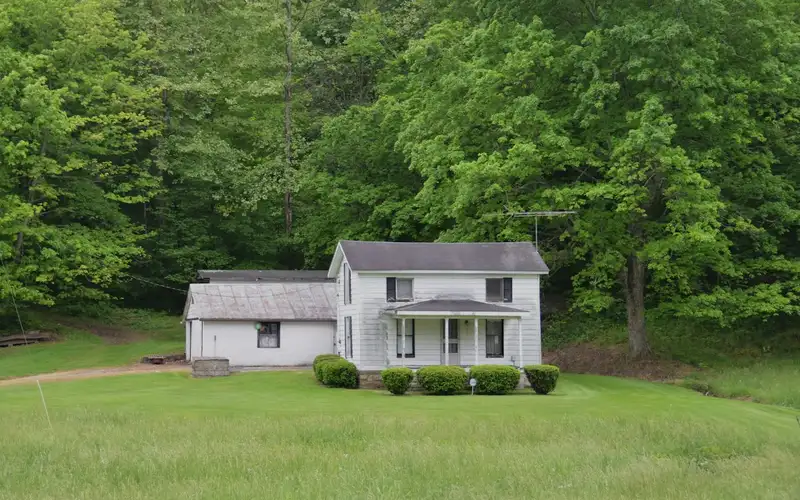
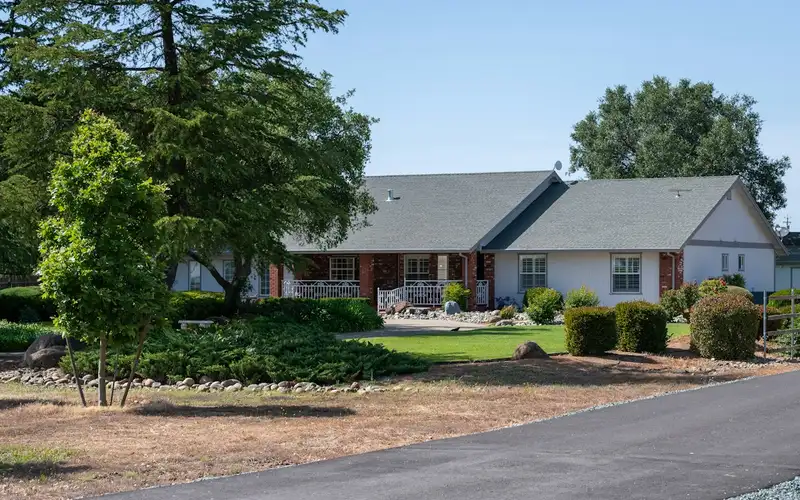
A town built mostly between 1970 and 1990
"Fifty-four percent of the existing housing units in Derry were constructed between 1970 and 1990," according to the draft Master Plan Update of October 2019, using ACS 2013–2017 data (Master Plan Update, Volume II draft). The town has 13,776 housing units (NHES community profile, ACS 2014–2018).
Before expanding a home or changing its use in a way that adds load, the owner applies to NHDES and shows the existing system meets the state's requirements or the town's, whichever is stricter, or submits a new design (RSA 485-A:38). On an unsewered Derry lot, the town's lot-size add-on for each extra 200 gallons a day comes into that picture too.
FAQ
Derry septic questions
How close to a wetland can a septic system go in Derry?
Not within 75 feet. Derry's zoning says no waste disposal system may be closer than 75 feet to any wetland, and a buffer of at least 125 feet is required between a septic tank or absorption field and the Conservation Corridor Overlay District. The current ordinance took effect September 3, 2026.
Do I need a town permit for septic work in Derry?
Yes. The town lists septic systems and wells among the items that need a building permit, and its PermitEyes portal includes septic installation and well permit types. The system also needs NHDES approval. We didn't find a posted septic fee, so ask the town when you apply.
Why does the Big Island Pond plan focus on septic?
The final watershed plan, dated August 2025, found septic systems to be the largest phosphorus source, 289 kg a year or 58% of the total load. It counted about 2,101 developed parcels within 200 feet of the water with no apparent sewer access.
What happens to my septic system when sewer comes to my street?
Under Chapter 122, once public sewer is available a direct connection must be made, and septic tanks, cesspools and similar facilities must be cleaned and filled. Zoning says the chapter applies if the sewer line comes within 125 feet of the property line.
What does it cost me to use New England Septic Pros?
Nothing. Asking is free for homeowners; the contractor prices the job, and the price and contract are between you and them.
Nearby