
Home › New Hampshire › Londonderry
Septic Pumping, Inspections and Repair in Londonderry, NH
Londonderry adds its own Health Officer permit to every NHDES septic approval, sizes unsewered lots by soil type, and allows no subsurface system within 75 feet of type A hydric soil. Call (978) 486-7980 or use the form. A person reads every request and replies with what happens next.
- Free for homeowners
- Town and state septic rules on this page
- Beaver Brook to Little Cohas Brook
Ask About Septic Service in Your Area
Tell us about the system and what it is doing. A person reads it and replies with what happens next.
Please add your name, a 10-digit phone number and a valid email.
Your request didn't go through on our end. Please call (978) 486-7980 so it isn't lost.
Too many requests have come from this connection in a short time. Please call (978) 486-7980 and we'll take it from there.
We couldn't finish the spam check. Wait a moment and send it again, or call (978) 486-7980.
Septic in Londonderry
What does your system need?
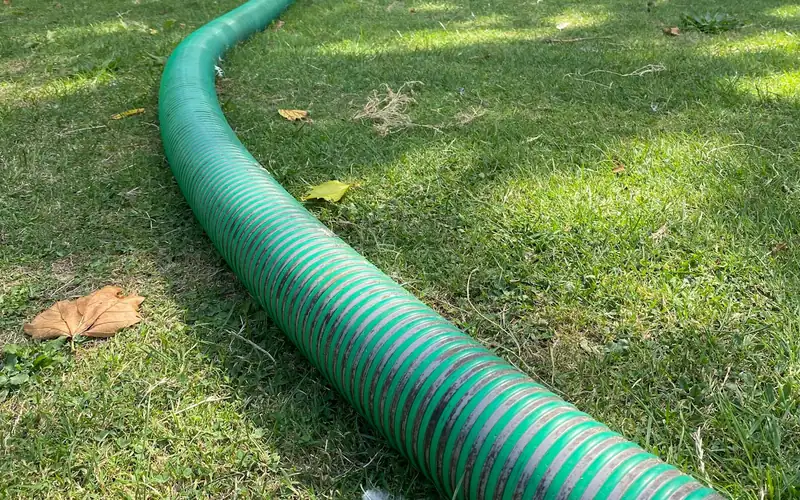
Pumping & Maintenance
Routine tank pumping, filter cleaning and the records your board of health or town may ask for.

Septic Inspections
Title 5 inspections before a Massachusetts sale, and system evaluations for New Hampshire buyers and owners.

Repair & Leach Field Replacement
Broken baffles, failed pumps, backups and leach fields that no longer take water, permitted the way your town requires.
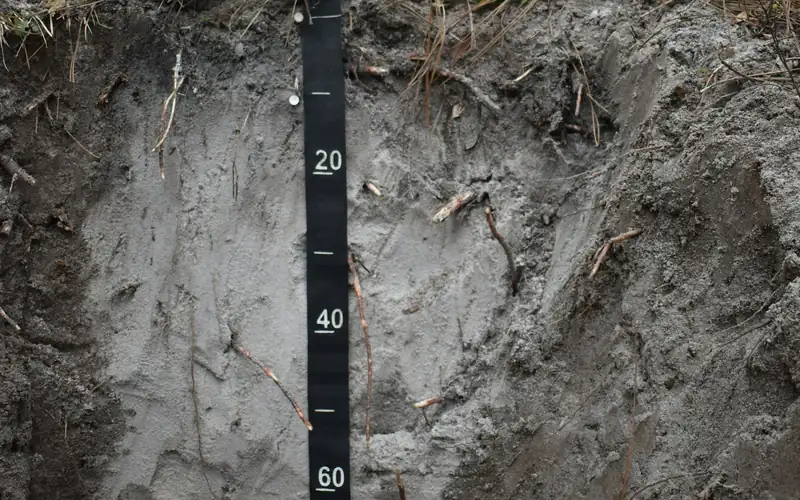
New System Design & Installation
A licensed designer or engineer draws the plan, the town or state approves it, and a permitted installer builds it.
Not sure what comes first?
(978) 486-7980Tell us whether you're adding bedrooms, got a sewer notice or have a system acting up, and we'll help you work out the order of things.
Permits
Septic permits and rules in Londonderry
"A permit must be obtained from the Town of Londonderry Health Officer, prior to the commencement of any work," says Chapter XIII, the town's septic ordinance (revised June 15, 2015). The application fee is $35 and plan review is $35 per plan, with a second review after a rejection at no charge. The designer submits four plan sets with the NHDES application, three for the state and one for the town (Chapter XIII). Septic and well permits are handled on the town's eSuite portal (online permits).
- Town permit
- Health Officer, before any work starts
- Town fees
- $35 application; $35 per plan review (Ch. XIII, rev. 2015)
- Apply online
- eSuite (septic and well permits)
- Inspections
- 24 hours notice; final inspection before backfilling
- Unsewered lots
- One acre minimum plus soil-based sizing
- Hydric soils
- No subsurface system within 75 feet of type A hydric soil
Staged inspections. The inspector "may require inspections" of the house sewer, the excavation (bed bottom) and the leach field after placement, before backfill, with a "Minimum notice of 24 hours" to start work or request an inspection, and there's a final inspection before backfilling. Appeals go to the Town Council, and NHDES decides disputes over technical data. The ordinance's provisions "shall be in addition to any requirements imposed by the state," designs must weigh the "depth and fluctuation of ground water (all seasons of the year)," and "Each day of continuing failure to comply ... shall constitute a new offense" (Chapter XIII).
Soil decides lot size. Under the zoning ordinance as amended through August 18, 2025, "The minimum lot size for a single or two family residence not served by a municipal wastewater system shall be 43,560 SF," and the lot must also meet soil-based minimums from high-intensity soil maps; soil 114-H, for example, needs 77,000 to 132,000 square feet, and very poorly drained soils don't count. "No subsurface wastewater disposal system shall be constructed with[in] seventy five (75) feet of any type a hydric soil," and homes with more than four bedrooms need 15% more lot area for each extra bedroom (Zoning Ordinance).
State rules. NHDES issues the Approval for Construction and, after inspecting the work, the Approval for Operation (NHDES septic systems). The designer and the installer each need an NHDES permit (RSA 485-A:35; RSA 485-A:36), and adding load, such as a bedroom, means applying to NHDES and meeting the state's requirements or the town's, "whichever is stricter" (RSA 485-A:38). New Hampshire has no general septic inspection at sale; the waterfront rule applies only where part of a system on developed waterfront is within 250 feet of the reference line (RSA 485-A:39). Look up a property's past approvals on NHDES OneStop, and file a Dig Safe ticket at least 72 hours before digging, weekends and holidays excluded (Dig Safe).
Last verified November 2026. Fees, restrictions and deadlines on this page are due for re-checking by December 2026. New England Septic Pros is a referral service. We don't design, install or pump septic systems; your designer and installer file the permits.
Sewer or septic
Sewer or septic in Londonderry
A growing but limited sewer. Londonderry's sewer carries wastewater to the treatment plants in Manchester and Derry (Chapter IX, Section III). The Sewer Division's FY2027 budget presentation counts 45 miles of sewer, 6 pump stations and 2,738 residential users, with 416 new accounts in 11 years (FY2027 sewer presentation). The town doesn't publish how many homes are on septic.
Pillsbury Road. The Pillsbury Road Pump Station force main and gravity interceptor had construction scheduled for March to November 2026, as posted in November 2026 (project page; Sewer). Check with the Sewer Division on its status and on which properties it serves.
Mandatory connection and fees. A property on a street with gravity public sewer must connect within 90 days of notice if the sewer is within 200 feet of the building, unless Public Works waives it for a properly functioning, state-approved septic system approved after 1985; an owner who doesn't connect can have the town make the connection and bill them (Sewer Use Ordinance). Under Appendix A, amended May 5, 2025, the access fee is $500 for existing units and $2,570 for property developed after sewer became available, and the connection fee is $200 with a new service pipe or $50 when an existing pipe is reused, both due at application (sewer fees).
Water
Water Londonderry protects
Groundwater first. "Access to safe, clean drinking water is one of the most significant challenges facing Londonderry today," the town says (Water in Londonderry). Its zoning frames septic lot sizing the same way: the rules exist "In the absence of a municipal wastewater system, to protect ground water quality for the purpose of public health and safety" (Zoning §4.2.1.3(A)(4)). A Water Special Assessment District helps owners finance a connection to Pennichuck water; it covers water, not septic (Water Special Assessment District).
Hood Pond. Hood Pond's watershed reaches into Londonderry. Derry's May 2025 watershed plan, which lists the pond's impairments for phosphorus, bacteria and chloride, left Londonderry's sewered parcels out of its septic load count (Hood Pond plan).
Brooks and floodplain. The 2025 Hazard Mitigation Plan flags bridges along Beaver, Todd, Little Cohas and Shields Brooks as a particular concern, lists road closures at Beaver Brook among flood-prone areas, and says "Within the floodplain district, no new development is allowed, without a variance" (Hazard Mitigation Plan). With the ordinance already asking designers to weigh groundwater in every season, lots near those brooks deserve a close look at the soil.
Londonderry's homes
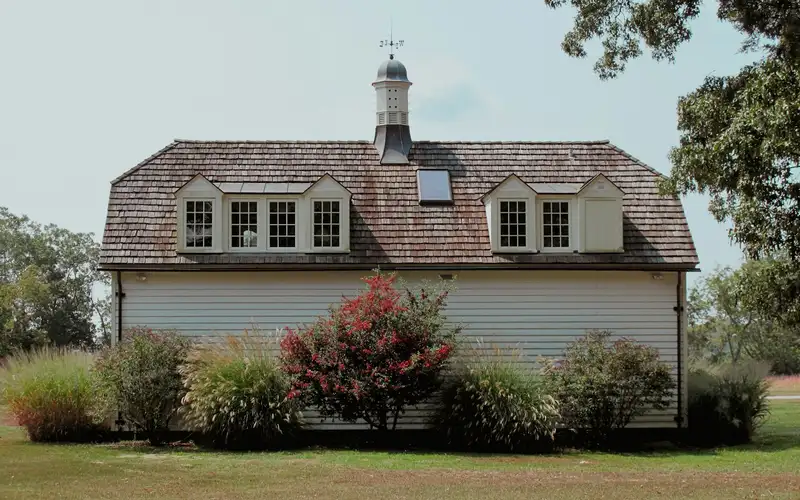
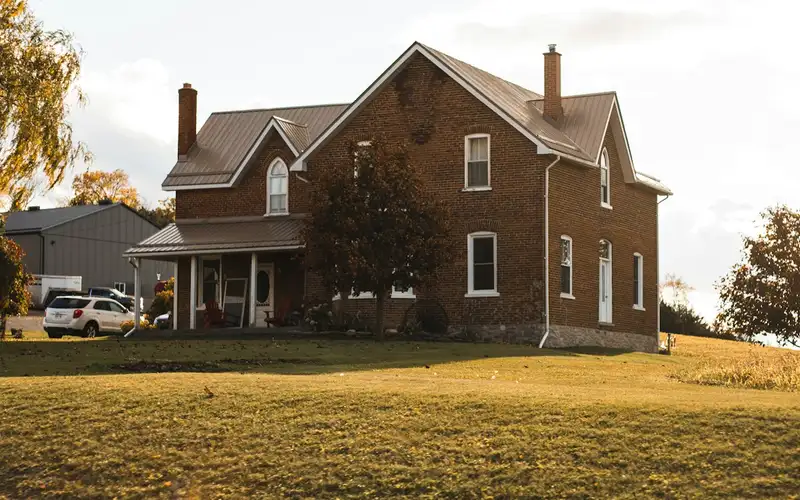
Single-family homes on acre lots
Londonderry has 8,847 housing units, 7,346 of them single-family, plus 417 mobile homes and other units (NHES community profile, ACS 2009–2013). We didn't find official figures on home ages.
If you're planning to grow a house on septic, two rules meet: NHDES wants an application before load goes up, and town zoning asks for 15% more lot area for each bedroom past four. Talk to a designer before the floor plan is final, since the soil map on your lot sets how much the land can carry.
FAQ
Londonderry septic questions
Does Londonderry require its own septic permit?
Yes. Chapter XIII says a permit must be obtained from the Town Health Officer before any work starts. The ordinance sets a $35 application fee and $35 per plan review, with a second review after a rejection at no charge. The designer submits four plan sets with the NHDES application: three go to NHDES and one stays with the town.
How big does a lot on septic need to be?
At least one acre (43,560 square feet) for a single- or two-family home without town sewer, and the lot must also meet the soil-based minimums in the zoning table, where very poorly drained soils don't count. Homes with more than four bedrooms need 15% more lot area for each extra bedroom.
What does it cost to connect to Londonderry sewer?
Under the fee appendix amended May 5, 2025, the access fee is $500 for existing units and $2,570 for property developed after sewer became available. The connection fee is $200 with a new service pipe or $50 when an existing pipe is reused. Both are due at application. If the sewer is within 200 feet of the building, connection is required within 90 days of notice, though Public Works may waive it for a properly functioning, state-approved septic system approved after 1985.
Is sewer being extended in Londonderry?
The town's Pillsbury Road Pump Station force main and gravity interceptor project had construction scheduled for March to November 2026 (as posted November 2026). Ask the Sewer Division whether it reaches your street.
What does it cost me to use New England Septic Pros?
Nothing. Asking is free for homeowners; the contractor prices the job, and the price and contract are between you and them.
Nearby