
Home › New Hampshire › Manchester
Septic Pumping, Inspections and Repair in Manchester, NH
Much of Manchester is on city sewer, but where septic remains the city Health Department checks the test pits and signs off on the design before NHDES sees it, and no system may go within 500 feet of Lake Massabesic. Call (978) 486-7980 or use the form. A person reads every request and replies with what happens next.
- Free for homeowners
- City and state rules on this page
- Lake Massabesic to the Merrimack
Ask About Septic Service in Your Area
Tell us about the system and what it's doing. A person reads it and replies with what happens next.
Please add your name, a 10-digit phone number and a valid email.
Your request didn't go through on our end. Please call (978) 486-7980 so it isn't lost.
Too many requests have come from this connection in a short time. Please call (978) 486-7980 and we'll take it from there.
We couldn't finish the spam check. Wait a moment and send it again, or call (978) 486-7980.
Septic in Manchester
What does your system need?
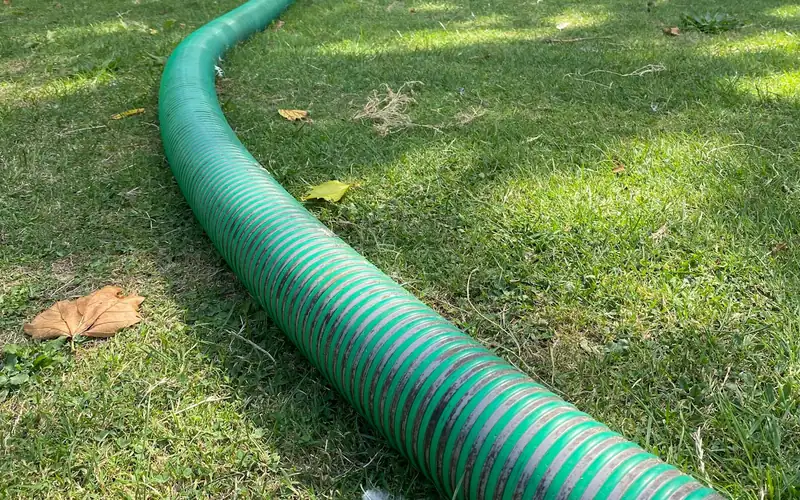
Pumping & Maintenance
Routine tank pumping, filter cleaning and the records your board of health or town may ask for.
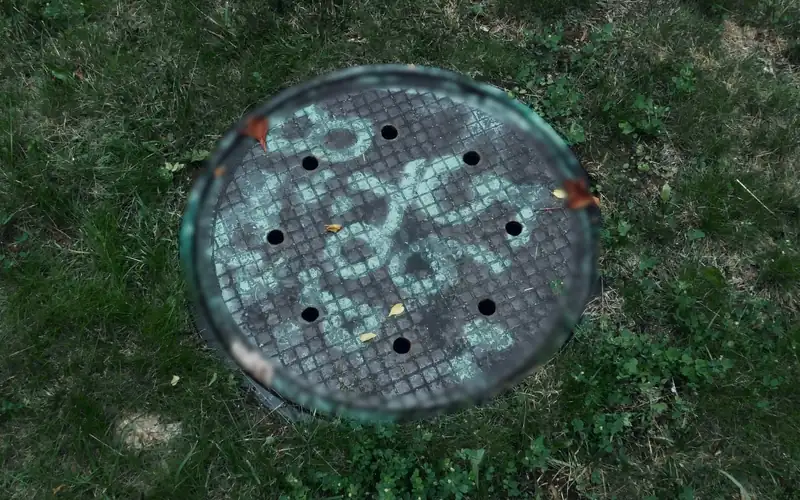
Septic Inspections
Title 5 inspections before a Massachusetts sale, and system evaluations for New Hampshire buyers and owners.
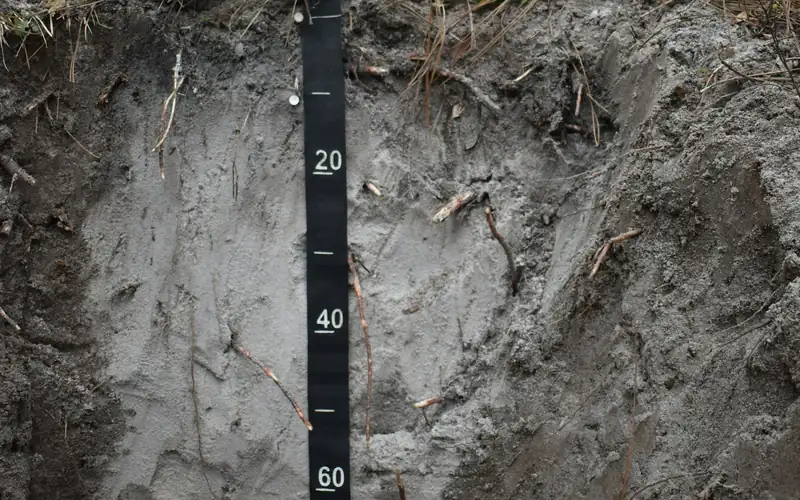
Repair & Leach Field Replacement
Broken baffles, failed pumps, backups and leach fields that no longer take water, permitted the way your town requires.
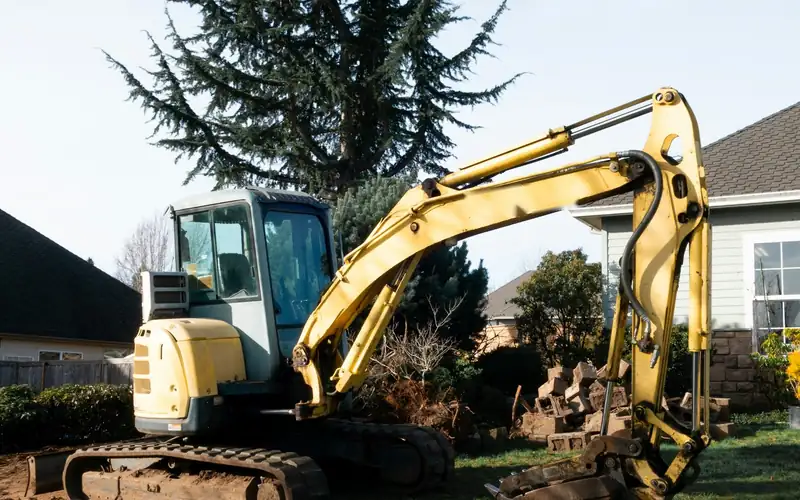
New System Design & Installation
A licensed designer or engineer draws the plan, the town or state approves it, and a permitted installer builds it.
Not sure what it needs?
(978) 486-7980Tell us what the drains or the yard are doing and whether sewer runs near the house, and we'll help you work out the job.
Permits
Septic permits and rules in Manchester
In Manchester the city Health Department, acting as the Health Authority, handles on-site systems alongside NHDES. The city code sets the order: the designer contacts the Health Authority before digging test pits or running percolation tests, and the Authority verifies them on site before reviewing the design. Plans for building, repairing or rebuilding a system go to the Health Authority with the soil data, lot size and design, and may not be submitted to NHDES until the city certifies that local requirements have been met (city code §21-73). A building permit can't be issued until the Health Authority approves the system's design and location, and no system may be covered or used without "final inspection and approval" (§21-74). The department's Septic Systems page sits under Environmental Health.
- Local approval
- Manchester Health Department (Health Authority), before NHDES
- Test pits
- Verified on site by the city; $25 per test pit inspection
- Design review
- First review free; revised single-household plan $15
- Install, alter or repair
- $100 single household, $150 commercial or other
- Reinspection
- $25 after a system fails approval twice
- Before cover or use
- City final inspection and approval
Posted fees. City code §21-73, last amended July 5, 2011, makes the first design review free and charges $15 for a revised single-household plan ($25 for subdivisions and commercial work), $25 for each test pit inspection, $100 for a single-household installation, alteration or repair permit ($150 for commercial and other systems), and $25 for each reinspection after a system has failed approval twice (§21-73). Those are the amounts in the code as of November 2026; confirm them with the Health Department when you apply.
Where the city is stricter. Section 21-74 rules out effluent disposal in soil whose seasonal high water table is within two feet of the natural ground surface, and requires the leaching bed bottom to sit at least four feet above that water table. It bars systems in soil that percolates "slower than 30 minutes per inch," bars altering or using land with natural slopes of 15% or more for disposal, requires a test pit and percolation test at the leaching bed site on every proposed lot, sets minimum lot size by slope and soil, keeps systems out of flood-prone areas on the city flood-plain map, and lets the Health Authority refuse any system it judges would create a public health nuisance (§21-74).
State rules. NHDES issues an Approval for Construction and, after inspecting the work, an Approval for Operation; a system can't be used without both (NHDES septic systems). The state application fee is $450 per system (RSA 485-A:30). Designs must be prepared and signed by an NHDES-permitted designer, and businesses installing systems need an NHDES installer permit (RSA 485-A:35; RSA 485-A:36). New Hampshire has no general inspection at sale; it applies only to developed waterfront property with part of the system within 250 feet of the water's reference line (RSA 485-A:39). Replacing a leach field means excavation, so a Dig Safe ticket is needed at least 72 hours ahead, not counting weekends and holidays (Dig Safe).
Last verified November 2026. Fees, restrictions and deadlines on this page are due for re-checking by November 2027. New England Septic Pros is a referral service. We don't design, permit or install septic systems; the designer and installer handle the approvals.
Sewer or septic
Sewer or septic in Manchester
Many Manchester homes are on city sewer. The city's wastewater treatment facility serves Manchester and, as co-permittees on its EPA discharge permit, parts of Bedford, Goffstown and Londonderry; older neighborhoods still have combined sewers, with 15 combined sewer overflows covered by the draft permit EPA put out for comment in 2024 (EPA draft permit notice). The city doesn't publish a count or map of homes still on septic, and the Health Department keeps a septic program for the ones that are. We didn't find a current sewer expansion project or posted betterment fee.
When sewer is close. City code §52.020 requires owners of occupied property on a street with a public sewer to connect at their own expense "within 90 days after the date of official notice to do so," as long as the sewer is accessible and within 100 feet of the building, as the Public Works Director determines (§52.020). Connections need a permit from the Public Works Director, and only department-certified pipe layers or licensed plumbers may do the work (§52.115). A septic home near a sewer line should expect that notice and plan for it before sinking money into a new leach field.
Where the septage goes. Pumped septage from the area is received at the city's wastewater treatment plant. The code sets charges of $80 per 1,000 gallons for loads of 1,000 gallons or less and $8 for each additional 100 gallons (septage charges, last amended 2005), and haulers dumping in the city need a city permit: an inspected truck with a sight level, insurance, a $10 permit fee and a displayed decal (hauler permits, amended 2014). That's on top of the NHDES septage hauler permit every pumper needs (Env-Wq 1600).
Water
Water Manchester protects
Lake Massabesic. The lake has been Manchester's public water supply since 1874, according to Manchester Water Works' 2025 Water Quality Report, and the Merrimack River became a second source when the Hooksett plant came online in August 2023 (2025 Water Quality Report). The city code keeps every septic system "at least 500 feet from the surface water of Lake Massabesic," five times the 100-foot setback it sets from other surface water and private water supplies (§21-74(D)).
Rivers and shoreland. The Merrimack also receives the treated wastewater and septage from the city plant. Close to a river or pond, state shoreland rules set septic setbacks of 75 feet from rivers and 75 to 125 feet from ponds and lakes depending on the soil, and construction within 250 feet may need an NHDES shoreland permit (RSA 483-B:9; protected shoreland). We didn't find a city aquifer or wellhead district with septic rules; the soil, slope and groundwater limits above are the city's main constraints on where a system can go.
Manchester's homes
An old city, mostly sewered
Manchester's master plan, adopted December 10, 2009, reported that 43.7% of the city's housing units were built before 1950 and 63.4% before 1970, using 2007 data (Master Plan). Most of those older homes are on city sewer. The ones on septic tend to be the exceptions where sewer never reached, and the city's soil and slope rules decide how much room a replacement system has on those lots.

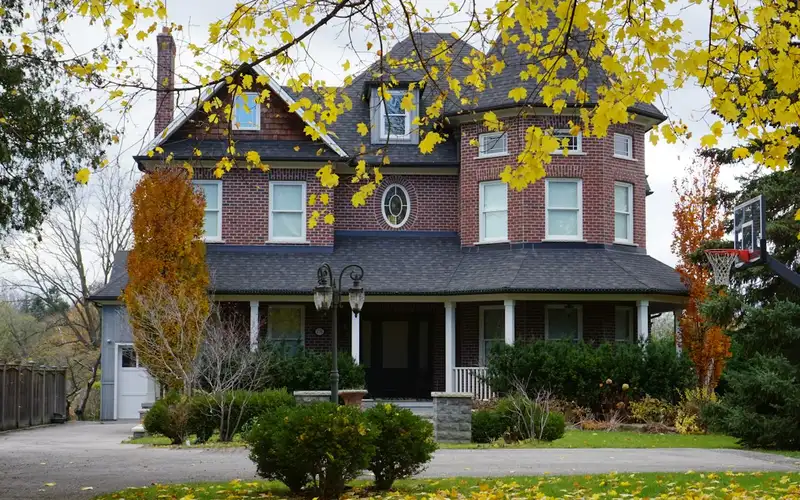
To see what's on file for a property, NHDES keeps septic approvals on OneStop. NHDES suggests having a system inspected by a licensed contractor about every three years and pumping when needed, typically every three to five years (NHDES SepticSmart).
FAQ
Manchester septic questions
Who approves a septic system in Manchester?
Both the city and the state. The designer contacts the city Health Department before digging test pits, the department verifies the tests on site and reviews the plan, and only after it certifies that local requirements are met can the plan go to NHDES.
What does the city charge for septic permits?
Under the city code, last amended in 2011, the first design review is free, a revised single-household plan is $15, each test pit inspection is $25, and an installation, alteration or repair permit is $100 for a single household. Ask the Health Department whether those amounts are still current.
Do I have to hook up to sewer if it comes down my street?
If a public sewer is accessible and within 100 feet of your building, as the Public Works Director determines, the city code requires you to connect at your own expense within 90 days after official notice.
Can a septic system go near Lake Massabesic?
No closer than 500 feet. Lake Massabesic is the city's drinking water supply, and the city code requires septic systems to sit at least 500 feet from its surface water and 100 feet from other surface water and private wells.
What does it cost me to use New England Septic Pros?
Nothing. Asking is free for homeowners; the contractor prices the job, and the price and contract are between you and them.
Nearby