
Home › New Hampshire › Windham
Septic Pumping, Inspections and Repair in Windham, NH
Windham has no municipal sewer, so nearly every home here treats its own wastewater, and around Cobbetts Pond, Canobie Lake and the other watershed lakes the town makes owners pump and inspect at least every three years. Call (978) 486-7980 or use the form. A person reads every request and replies with what happens next.
- Free for homeowners
- Town and state rules on this page
- Cobbetts Pond to Canobie Lake
Ask About Septic Service in Your Area
Tell us about the system and what it's doing. A person reads it and replies with what happens next.
Please add your name, a 10-digit phone number and a valid email.
Your request didn't go through on our end. Please call (978) 486-7980 so it isn't lost.
Too many requests have come from this connection in a short time. Please call (978) 486-7980 and we'll take it from there.
We couldn't finish the spam check. Wait a moment and send it again, or call (978) 486-7980.
Septic in Windham
What does your system need?
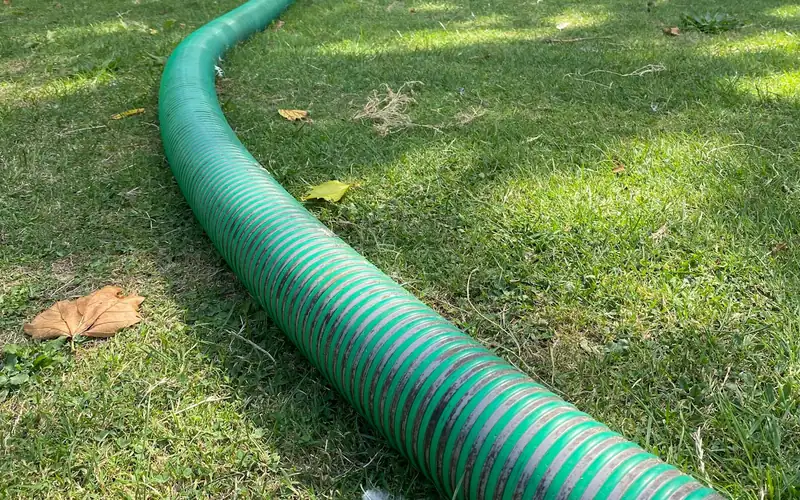
Pumping & Maintenance
Routine tank pumping, filter cleaning and the records your board of health or town may ask for.

Septic Inspections
Title 5 inspections before a Massachusetts sale, and system evaluations for New Hampshire buyers and owners.

Repair & Leach Field Replacement
Broken baffles, failed pumps, backups and leach fields that no longer take water, permitted the way your town requires.
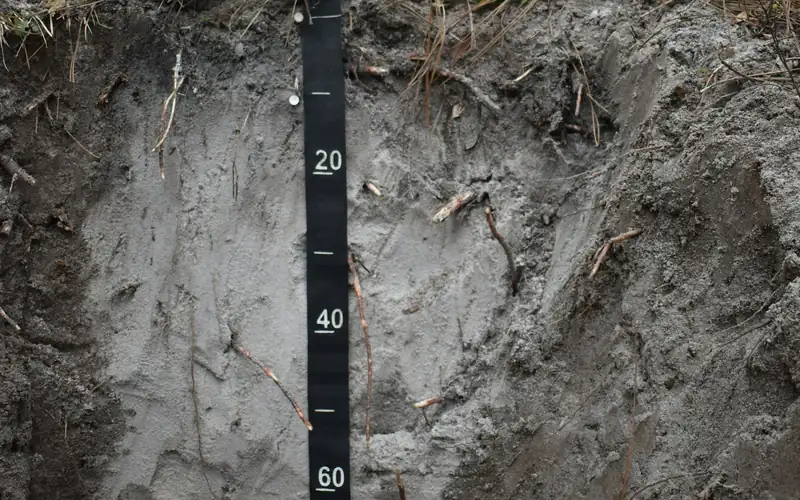
New System Design & Installation
A licensed designer or engineer draws the plan, the town or state approves it, and a permitted installer builds it.
Not sure where to start?
(978) 486-7980Tell us whether the house is in the lake watershed, when the tank was last pumped and what you're noticing, and we'll help you sort out the next step.
Permits
Septic permits and rules in Windham
Septic work in Windham runs through the Community Development Department's Building Inspections office at 3 N Lowell Road, where the Building Inspector also serves as the town Health Officer (Building Inspections). The town's Septic Regulations say every system must meet NHDES requirements and be approved by both the Health Officer and NHDES, and a permit from Community Development comes before any work starts; appeals go to the Board of Health within 10 days (Septic Regulations, last amended August 11, 2014). Permits and Board of Health waiver requests are filed through the town's online permitting portal, linked from the Building Inspections page, and inspections are generally done between 10 am and 2 pm with 24 hours' notice.
- Local approval
- Health Officer, Community Development (Building Inspections), 3 N Lowell Rd
- State approval
- NHDES approval for construction, then approval for operation
- Town permit
- Waste Disposal Permit, applicant license copy attached
- Inspections
- Bed bottom and final, both before covering; 24 hours notice
- Drain field to well
- At least 75 feet (Septic Regulations §102.2)
- Watershed lakes
- Pump out and inspect at least every 3 years
The town's steps. The Waste Disposal Permit form asks for a copy of the applicant's license and states that "A BED BOTTOM INSPECTION AND A FINAL INSPECTION ARE REQUIRED BEFORE COVERING," booked 24 hours ahead with the permit number, map-block-lot and address (Waste Disposal Permit). The form leaves the fee blank, and the regulations say fees follow the Board of Selectmen's schedule; we didn't find a posted amount, so ask the office when you apply.
Where Windham goes further than the state. The Septic Regulations keep drain fields at least 75 feet from any drinking water well and let the Health Officer require more. Holding tanks are allowed only as a last-resort temporary replacement for a system in failure and can never be used to convert a seasonal home to year-round use. Test pits can't be left open. The Health Officer inspects and approves the leach-bed bottom, may ask for an open test pit beside the leaching area at inspection, and may require a watertightness test on the tank. Tanks sit 6 to 18 inches below finished grade unless risers or manholes are provided, and tar paper or plastic covers aren't allowed (Septic Regulations §§102–106).
Zoning ties to septic. Under the 2026 Zoning Ordinance, amended through March 10, 2026, no waste disposal system may sit within 100 feet of a wetland in or next to the Wetland and Watershed Protection District; replacing a nonconforming building needs State and Town septic approval, and expanding one needs septic approval without waivers. An accessory dwelling unit can share the house's system, but a system without current approval, or one that is failing or needs repair, must be upgraded first (Zoning Ordinance §§405, 406, 601.4.6, 602.1.9).
State rules. Every New Hampshire system needs an NHDES Approval for Construction and, after inspection, an Approval for Operation (NHDES septic systems). Plans must be prepared and signed by an NHDES-permitted designer, and anyone in the business of installing systems needs an NHDES installer permit (RSA 485-A:35; RSA 485-A:36). Adding bedrooms or other load means showing NHDES the existing system meets state requirements or the town's standards, "whichever is stricter," or submitting a new design (RSA 485-A:38). New Hampshire has no general septic inspection at sale; the exception is developed waterfront property with any part of the system within 250 feet of the water's reference line, where the buyer generally has a licensed evaluator look at it before the transfer (RSA 485-A:39). Pumpers need an NHDES septage hauler permit (Env-Wq 1600), and any digging needs a Dig Safe ticket at least 72 hours ahead, not counting weekends and holidays (Dig Safe).
Last verified November 2026. Fees, restrictions and deadlines on this page are due for re-checking by April 2027. New England Septic Pros is a referral service. We don't design, permit or install septic systems; the designer and installer handle the approvals.
Sewer or septic
Sewer or septic in Windham
"There is no municipal sewer in Windham," the 2023 Master Plan says. The town does hold a capacity agreement with the Greater Lawrence Sanitary District routed through Salem, but voters have resisted using it, so wastewater stays on private septic systems, some of them community systems serving several homes (Master Plan 2023, p. 32). We found no sewer expansion project, connection requirement or sewer fee. In practice that means a failing system here gets repaired or replaced on the lot; there is no sewer line to tie into.
The watershed pump-out rule. Voters approved the pump-out ordinance at the March 14, 2023 Town Meeting and amended it on March 11, 2025; it now applies in the Watershed Protection Overlay District. Under it, "Septic tanks or holding tanks shall be pumped out and inspected at least once every three years." Within ten days of each pumping, the owner sends the receipt, the approximate gallons and the tank location on the town's WPOD Septic Pump Out and Inspection Reporting Form, the only form the town accepts. After a corrective deadline is missed, the fine is $100 for the first ten days, then $50 a day up to $1,000. A waiver for less frequent pumping takes an NHDES operational approval or a licensed evaluator's written evaluation, and "In no case shall a waiver allow pumping intervals to exceed five (5) years" (WPOD ordinance; WPOD pump-out page; waiver form). The town posts a district map so you can check whether your lot is in it.
Seasonal conversions. Before a seasonal home is lived in year-round with more sewage load, the owner applies to the Building Department for septic approval, showing the system meets the new use or the town minimum, whichever is stricter. A licensed designer's site assessment covering lot size, slope, bedroom loading, water source, soil type and the seasonal high water table from test pits goes to NHDES, and failing the criteria "shall prohibit the conversion of the property" (Year-Round Conversion Permit; Seasonal Conversions).
Water
Water Windham protects
Watershed lakes
The Watershed Protection Overlay District covers Cobbetts Pond, Canobie Lake, Rock Pond, Moeckel Pond and Shadow Lake. Canobie Lake is Salem's main water source and is closed to swimming.
Bedrock wells
Most of Windham's drinking water comes from private wells, and the town leans on bedrock wells more than any other in the state. Wells generally sit at least 75 feet from any leach field.
Wetlands and brooks
Septic stays 100 feet from district wetlands. Buffers reach 150 feet along Beaver, Golden and Flat Rock Brooks, with 100 more feet on steep slopes.
The 2023 Master Plan says "The vast majority of potable water consumed in Windham is from private wells" and that the town relies on bedrock wells more than any other New Hampshire town; it notes Canobie Lake is Salem's primary water source (Master Plan 2023, pp. 29, 36–37, 56). The town's well regulations, dated April 21, 2014, set wells at least 75 feet from any leach field, with 50 to 74 feet allowed only with an NHDES waiver or a recorded release from the abutter (Well and Water Supply Regulations §2.5). Concern for those wells is also why a 1995 ordinance, amended in 2013, restricts spreading biosolids in town (biosolids ordinance).
The Wetland and Watershed Protection District sets buffers of 150 feet from Beaver, Golden and Flat Rock Brooks, 100 feet from other brooks, streams, ponds and wetlands of an acre or more, 50 or 25 feet for smaller wetlands, and an extra 100 feet on slopes of 12% or more; septic systems in flood hazard areas must be sited to avoid damage during floods (Zoning §§601.4, 607.3). The Master Plan also maps wetland soils with water at or near the surface five to nine months a year, seasonally wet soils with water within 2½ to 3 feet, soils with bedrock within 1 to 3 feet, and "significant granite ledge" (Master Plan 2023, pp. 36, 51–52). Those are the conditions that push leach fields up on fill or into a different spot on the lot, so expect test pits to drive the design. Near a lake or river, work within 250 feet of the water may also need an NHDES shoreland permit (protected shoreland).
Windham's homes
A town of single-family homes, all on septic
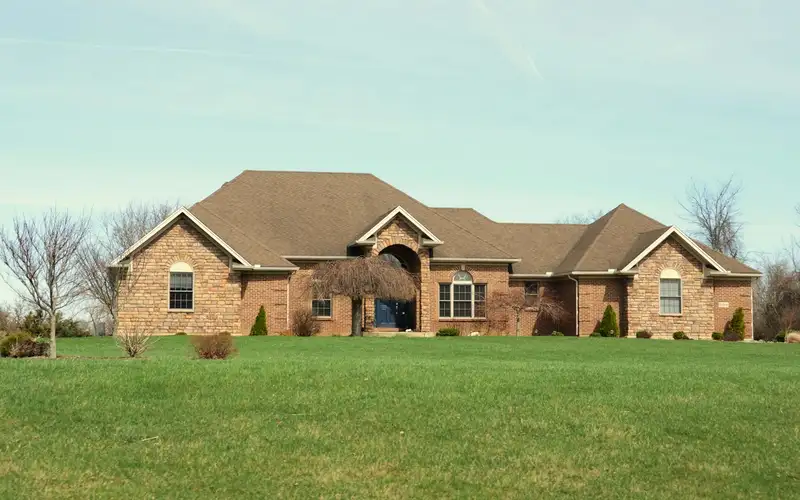
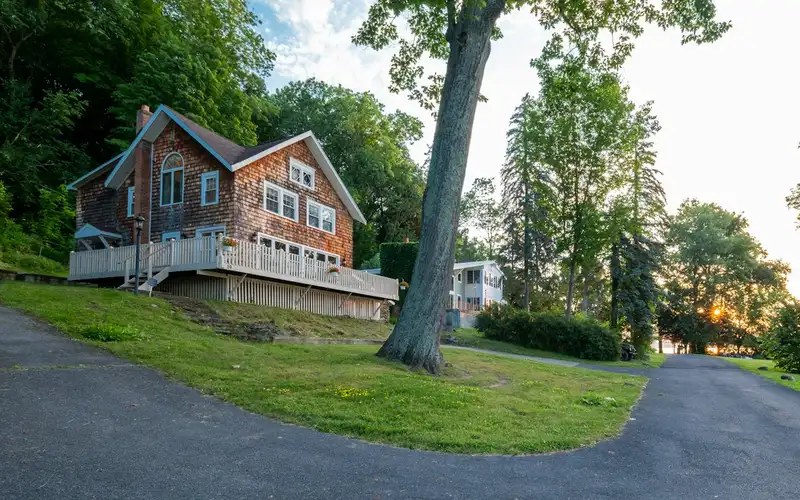
The 2023 Master Plan counts 5,753 housing units as of September 2022, 86.7% of them single-family, with 2,248 built between 1990 and 2020 (Master Plan 2023, p. 22). With no sewer in town, that whole housing stock depends on septic, from lakeside cottages that started as summer places to newer subdivisions on ledge and wet soils.
If you're buying, NHDES keeps septic approval files on OneStop, so you can see what was approved for the lot and when (NHDES). For a watershed home, the pumping reports filed with the town are worth asking the seller about too. NHDES suggests an inspection by a licensed contractor about every three years and pumping when needed, typically every three to five years (NHDES SepticSmart); inside the watershed district, the town's three-year rule applies.
FAQ
Windham septic questions
Is there sewer anywhere in Windham?
No. The town's 2023 Master Plan says plainly that there is no municipal sewer in Windham. Homes rely on private septic systems, some of them shared community systems.
How often do lake-area homes have to pump in Windham?
In the Watershed Protection Overlay District, which covers Cobbetts Pond, Canobie Lake, Rock Pond, Moeckel Pond and Shadow Lake, the ordinance says septic and holding tanks must be pumped out and inspected at least once every three years. The pumping report goes to the town within ten days on its own form.
Can I get a waiver from the three-year pump-out?
A waiver for less frequent pumping is possible with an NHDES operational approval or a written evaluation from a licensed evaluator, but the ordinance says no waiver can stretch the interval past five years.
Can I turn a seasonal camp into a year-round home in Windham?
Only with septic approval first. A licensed designer prepares a site assessment that goes to NHDES, holding tanks can't be used to make the change, and if the property fails the criteria the conversion is prohibited.
What does it cost me to use New England Septic Pros?
Nothing. Asking is free for homeowners; the contractor prices the job, and the price and contract are between you and them.
Nearby