
Home › New Hampshire › Hudson
Septic Pumping, Inspections and Repair in Hudson, NH
Hudson's sewer runs on a fixed 12.58% share of Nashua's treatment plant, and the town plans to keep new hookups inside the existing service area, so homes beyond the denser core keep relying on septic. Call (978) 486-7980 or use the form. A person reads every request and replies with what happens next.
- Free for homeowners
- Town and state septic rules on this page
- Robinson Pond to the Merrimack River
Ask About Septic Service in Your Area
Tell us about the system and what it is doing. A person reads it and replies with what happens next.
Please add your name, a 10-digit phone number and a valid email.
Your request didn't go through on our end. Please call (978) 486-7980 so it isn't lost.
Too many requests have come from this connection in a short time. Please call (978) 486-7980 and we'll take it from there.
We couldn't finish the spam check. Wait a moment and send it again, or call (978) 486-7980.
Septic in Hudson
What does your system need?
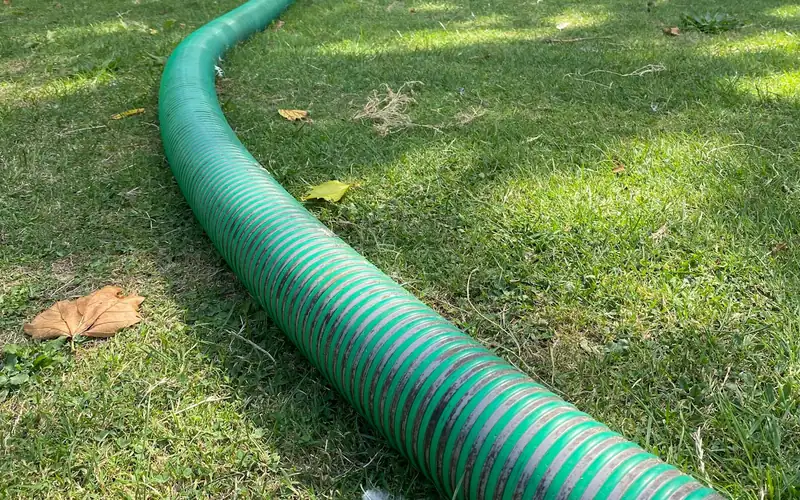
Pumping & Maintenance
Routine tank pumping, filter cleaning and the records your board of health or town may ask for.

Septic Inspections
Title 5 inspections before a Massachusetts sale, and system evaluations for New Hampshire buyers and owners.
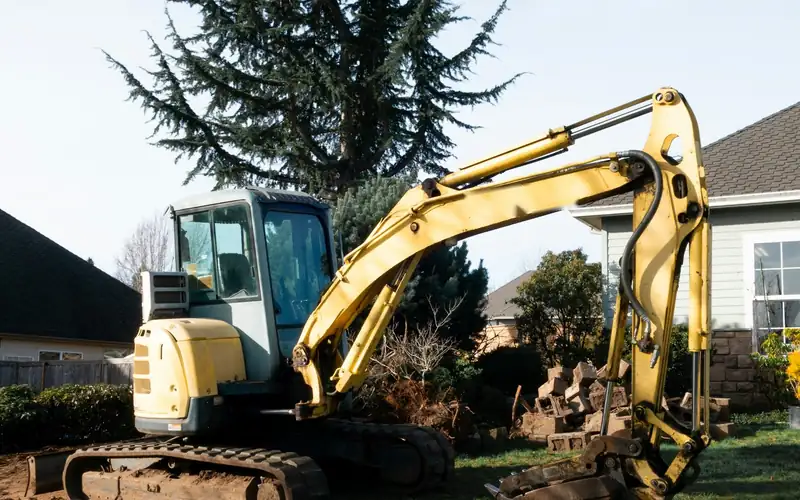
Repair & Leach Field Replacement
Broken baffles, failed pumps, backups and leach fields that no longer take water, permitted the way your town requires.
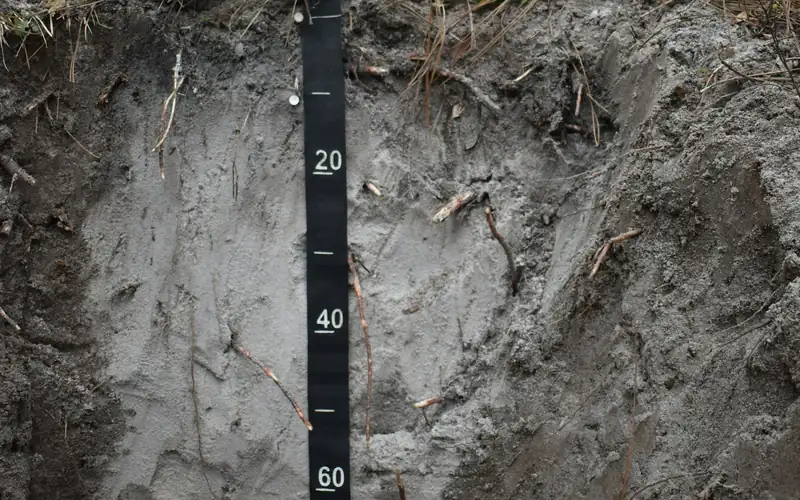
New System Design & Installation
A licensed designer or engineer draws the plan, the town or state approves it, and a permitted installer builds it.
Not sure where to start?
(978) 486-7980Tell us whether the yard stays wet, the drains are slow or you're weighing a sewer hookup, and we'll help you sort out the order of things.
Permits
Septic permits and rules in Hudson
In Hudson, septic work runs through the Community Development Department at Town Hall, 12 School Street: for a replacement, the licensed designer contacts the department's Health Officer to schedule a test pit, which decides whether the system can be replaced in kind or needs a new design (Engineering FAQs). The town's stormwater outreach page links to a septic system review payment taken online (Storm Water / MS4 Public Outreach); we couldn't confirm the fee, so ask Engineering for the current amount. The Land Use code requires site plans to show compliance with the "New Hampshire Department of Environmental Services Subsurface Disposal Regulations, latest edition," and wells must be "at least 75 feet from any portion of a septic tank or drainage field" (Land Use Ch. 276).
- Septic office
- Community Development Department (Health Officer), Town Hall, 12 School Street
- State approvals
- NHDES Approval for Construction, then Approval for Operation
- Wells
- At least 75 feet from any part of a septic tank or drainage field
- Multi-family housing
- Not built without town water and sewer
- Sewer hookup
- $2,325 single-family plus $50 application (undated FAQ)
- Payment plan
- Three years; due in full when the property is sold
Few local add-ons. We found no Hudson septic ordinance or local health regulation: the town code has a sewer chapter (Ch. 270) and zoning (Ch. 334), but no septic chapter (Town Code index). That makes the state rules and the land itself the main constraints. "The Town does not permit construction of multi-family houses without Town water and sewer," the master plan's natural resources chapter says (Natural Resources chapter), and the Land Use code defines critical areas to include disturbed areas within 50 feet of a stream, bog, water body or poorly or very poorly drained soils (Land Use Ch. 276).
State rules. Every New Hampshire system needs an NHDES Approval for Construction and an Approval for Operation (NHDES septic systems). Plans come from an NHDES-permitted designer, paid installers hold an NHDES installer's permit (RSA 485-A:35; RSA 485-A:36), and the work is inspected before it's covered (RSA 485-A:29). The state application fee is $450 per system (RSA 485-A:30). There is no general septic inspection at sale, but pond-front sellers should know that where any part of a system on developed waterfront property is within 250 feet of the reference line, the buyer generally has it evaluated by a licensed septic system evaluator before transfer (RSA 485-A:39). Haulers need an NHDES septage hauler permit (Env-Wq 1600), and excavation needs a Dig Safe notice at least 72 hours ahead, weekends and holidays excluded (Dig Safe).
Last verified November 2026. Fees, restrictions and deadlines on this page are due for re-checking by November 2027. New England Septic Pros is a referral service. We don't design, install or pump septic systems; your designer and installer handle the approvals.
Sewer or septic
Sewer or septic in Hudson
A rented share of Nashua's plant. "Public sewer infrastructure is owned by the town, but Hudson uses the City of Nashua's wastewater" plant, the Community Facilities chapter of the master plan, adopted May 10, 2023, explains. Hudson's allocation is 12.58% of plant capacity, just over 2 mgd; it discharges 1.1 to 1.2 mgd, with about 0.36 mgd of allocations left. "The existing sewer infrastructure is limited to the more densely populated areas of Town," such as along Ferry and School Streets and the area bounded by Melendy Road, Pelham Road and the Merrimack River, and outside it "larger lot sizes needed to accommodate septic systems" apply. The chapter recommends limiting future connections to the existing service area unless an expansion is closely tied to the town's land use and economic goals, and lists no extension projects (Community Facilities chapter). The natural resources chapter adds that the town "should consider absorbing the properties abutting Ottarnic Pond into the Sewer District."
Who has to tie in. The Sewer Utility's Policies and Procedures apply to users "within a hundred feet of the sewer," measured from the sewer main to the building rather than the property line, a definition the town says it reviewed with NHDES (the waiver section dates from 1996, so confirm it with the town). "Waivers should apply to dwellings or buildings which have septic systems constructed after 1985 only," and no waiver is granted to replace a failed system. Sewers that aren't municipal must be laid by a Hudson-licensed drain layer bonded at $1,000 (Policies and Procedures of the Sewer Utility).
The hookup fee. The town FAQ lists a one-time hookup fee of $2,325 for a single-family home plus a $50 residential application fee, with a three-year payment plan that comes due in full on transfer; the property must be in the sewer district, and the FAQ shows no date (sewer hookup FAQ).
Water
Water Hudson protects
Wet ground. Soils with high septic limitations cover about 40% of the town, according to the master plan's natural resources chapter. Low-lying, poorly drained areas "have been found to have a high-water table (at or near the surface) throughout most of the year" and "pose substantial problems to ... effective subsurface sewage disposal," and the chapter says that "In most cases, older septic systems and cesspools pose the greatest threat to groundwater and surface water quality" (Natural Resources chapter). On those lots the soil evaluation drives the whole design.
An aquifer under busy ground. "The most productive aquifer is located around Ottarnic Pond and extends northeast along Glover Brook," and it "lies under one of the most developed sections of Hudson," the same chapter says.
Ponds and the river. "Robinson Pond is experiencing high levels of phosphorous," and "Most of the lakes and ponds in Hudson are classified as eutrophic." The state Shoreland Protection Act reaches Ayers Pond, Ottarnic Pond and Robinson Pond, among other waters, within 250 feet of the reference line; state septic setbacks there run from 75 feet up to 125 feet in porous sand and gravel, depending on the soil (RSA 483-B:9), and work within 250 feet may need an NHDES shoreland permit. The floodplain covers more than 2,000 acres, about 11% of the town, mostly along the east bank of the Merrimack River.
Hudson's homes
Single-family homes on both sides of the sewer line
Hudson counted 10,080 housing units in 2020: 81% single-family, 17% multi-family and 2% manufactured, including three manufactured housing parks with 152 units (Population and Housing chapter, 2025 update). The state's community profile describes the town's sanitation as "Private septic & municipal" (NHES profile). We didn't find an official breakdown of home ages.
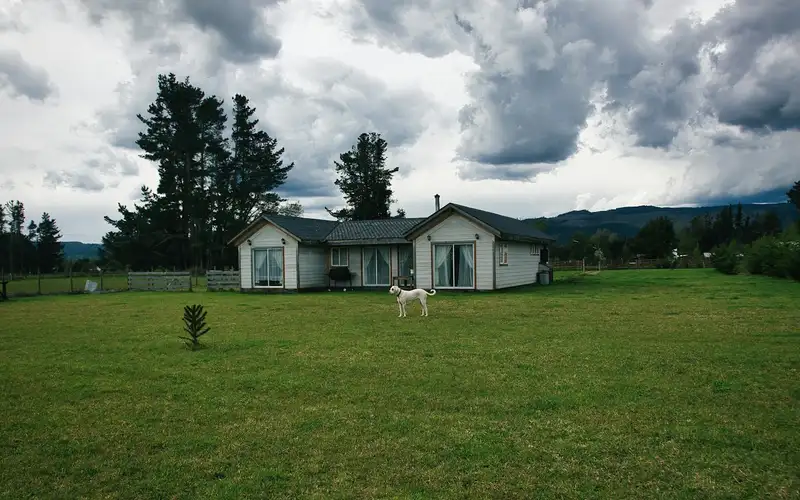
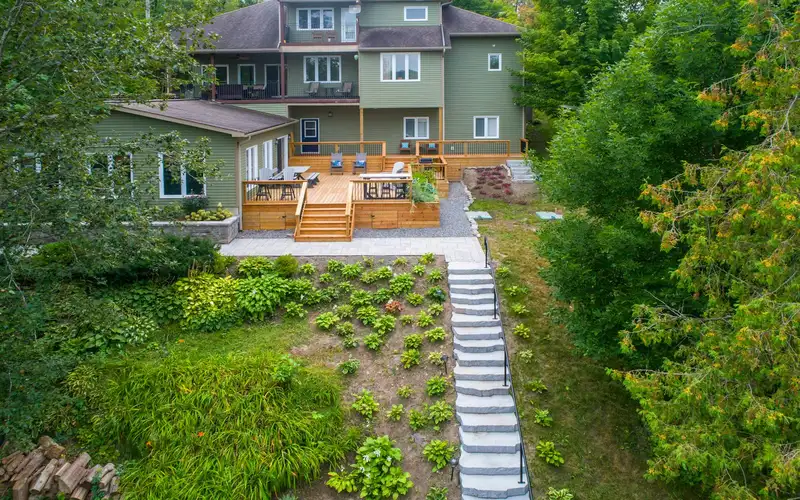
New multi-family buildings need town water and sewer. If your house sits outside the sewered core, the soil and pond rules above are what shape a repair or replacement, and adding a bedroom means an NHDES application before the work (RSA 485-A:38).
FAQ
Hudson septic questions
Can I keep my septic system if sewer is nearby?
The Sewer Utility's connection waiver rules apply to users within a hundred feet of the sewer, measured from the sewer main to the building, a definition the town says it reviewed with NHDES. Waivers should apply only to homes with septic systems built after 1985, and no waiver is granted to replace a failed system. Ask the Engineering Department how that applies on your street.
What does a sewer hookup cost in Hudson?
The town FAQ lists a one-time hookup fee of $2,325 for a single-family home plus a $50 residential application fee. A three-year payment plan is available, but the balance is due in full when the property is sold, and the lot has to be in the sewer district. The FAQ carries no date.
Why is siting a leach field hard in parts of Hudson?
The master plan's natural resources chapter says soils with high septic limitations cover about 40% of the town, and that low-lying, poorly drained areas have a water table at or near the surface for most of the year, which poses substantial problems for subsurface sewage disposal.
Which Hudson ponds fall under state shoreland rules?
The same chapter says the Shoreland Protection Act regulates activity along Ayers Pond, Ottarnic Pond and Robinson Pond, among other waters, within 250 feet of the reference line. State septic setbacks from a pond run 75 to 125 feet depending on the soil.
What does it cost me to use New England Septic Pros?
Nothing. Asking is free for homeowners; the contractor prices the job, and the price and contract are between you and them.
Nearby