
Home › New Hampshire › Nashua
Septic Pumping, Inspections and Repair in Nashua, NH
Most of Nashua drains to the city sewer, but septic homes in the R-40 neighborhoods answer to two sign-offs, the city's Environmental Health Department and NHDES, under a city ordinance tightened in January 2025. Call (978) 486-7980 or use the form. A person reads every request and replies with what happens next.
- Free for homeowners
- City and state septic rules on this page
- Pennichuck ponds to the Merrimack
Ask About Septic Service in Your Area
Tell us about the system and what it is doing. A person reads it and replies with what happens next.
Please add your name, a 10-digit phone number and a valid email.
Your request didn't go through on our end. Please call (978) 486-7980 so it isn't lost.
Too many requests have come from this connection in a short time. Please call (978) 486-7980 and we'll take it from there.
We couldn't finish the spam check. Wait a moment and send it again, or call (978) 486-7980.
Septic in Nashua
What does the system need?
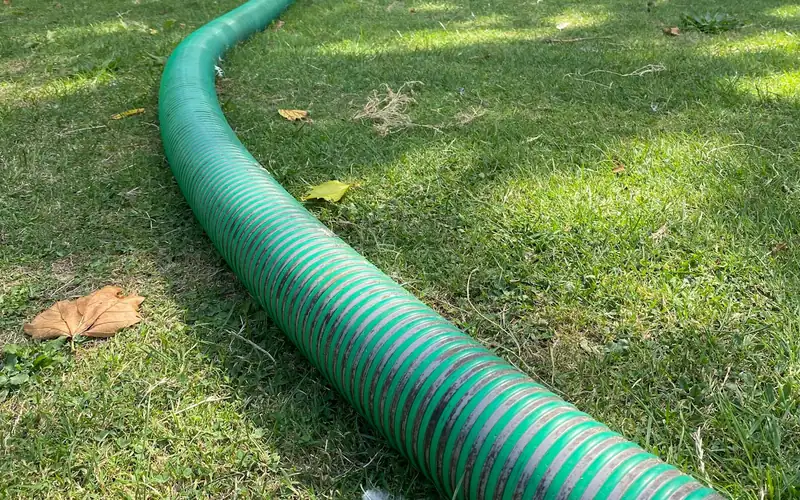
Pumping & Maintenance
Routine tank pumping, filter cleaning and the records your board of health or town may ask for.
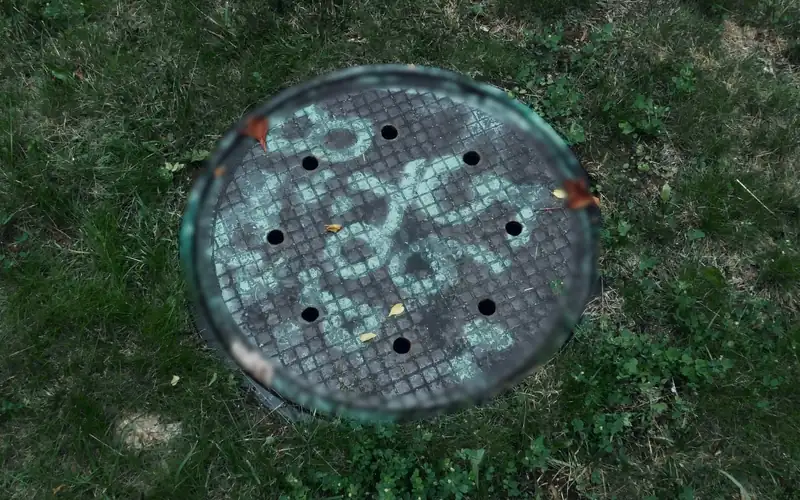
Septic Inspections
Title 5 inspections before a Massachusetts sale, and system evaluations for New Hampshire buyers and owners.
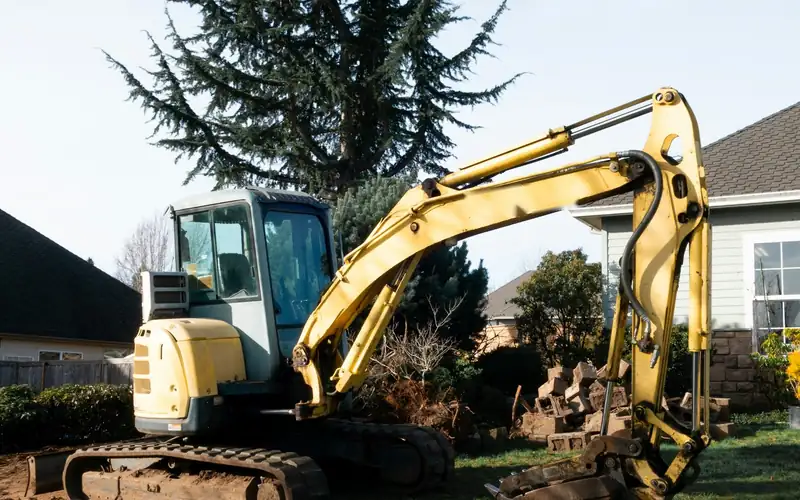
Repair & Leach Field Replacement
Broken baffles, failed pumps, backups and leach fields that no longer take water, permitted the way your town requires.
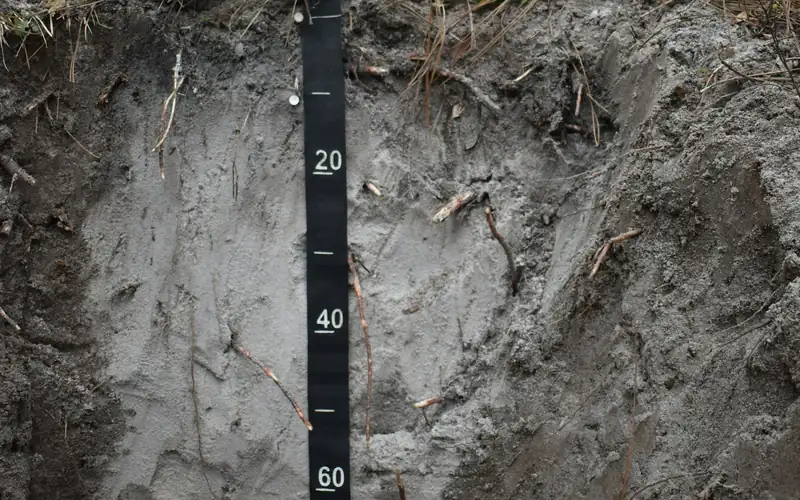
New System Design & Installation
A licensed designer or engineer draws the plan, the town or state approves it, and a permitted installer builds it.
Not sure where to start?
(978) 486-7980Tell us whether you're selling, adding on or dealing with a backup, and whether sewer runs past the lot, and we'll help you sort out what comes first.
Permits
Septic permits and rules in Nashua
In Nashua, individual sewage disposal systems must be approved by both NHDES and the city. The city's Environmental Health Department observes test pits, reviews plans for local approval, including plans for failed systems, and inspects the bed bottom; the state does the final inspection before operational approval. The city says its rules may be stricter than the state code (Sewage/Septic Systems).
- City office
- Environmental Health Department (Health Officer)
- State office
- NHDES Subsurface Systems Bureau
- Test pit observation
- $50 each
- Plan review
- $50
- Bed bottom inspection
- $25
- Separation to seasonal high water
- New systems 4 ft; failed-system replacements at least 3 ft
- Sewer within 100 feet
- Must connect (city code, RSA 147:8)
City fees. The Environmental Health page, marked "UPDATED 2025," lists $50 for each test pit observation (subdivision test pits included), $50 for a plan review and $25 for a bed bottom inspection, all paid before local approval. When the city updated its septic ordinance, the sponsors said the fees hadn't changed in about 16 years (committee minutes, December 2, 2024).
The 2025 ordinance. Chapter 255, Article VII of the city code, amended January 14, 2025 by Ordinance O-24-040, requires at least four feet of vertical separation to the seasonal high water table for new systems. A replacement for a failed system with no expansion should come as close to four feet as possible and in no case less than three; on sloped sites part of the drainfield may sit as close as 36 inches above seasonal high under conditions in the code (Nashua Code §255-48). The committee summary said the separation rule was meant to reduce the chance of contaminants reaching groundwater. The code also prohibits cesspools except as temporary emergency use, bars one septic tank from serving more than one dwelling, and requires the Health Officer's written permission for any nonconforming part (Chapter 255, Article VII). The Land Use Code bars septic systems within 125 feet of a wetland (§190-115).
State rules. NHDES requires an Approval for Construction and an Approval for Operation before a system is used (NHDES septic systems), with a $450 application fee (RSA 485-A:30). Plans are signed by an NHDES-permitted designer, and anyone in the business of installing systems needs an NHDES installer permit; an owner replacing or repairing the system for their own home may do the install without one if they follow NHDES rules (RSA 485-A:36). New Hampshire has no general septic inspection at sale; the buyer's evaluation rule applies only to developed waterfront property with part of the system within 250 feet of the reference line (RSA 485-A:39). Past approvals for a property can be looked up on NHDES OneStop. Digging needs a Dig Safe notice at least 72 hours ahead, weekends and holidays excluded (RSA 374:51).
Last verified November 2026. Fees, restrictions and deadlines on this page are due for re-checking by March 2027. New England Septic Pros is a referral service. We don't pump, inspect or build septic systems; the permitted designer and installer file with the city and NHDES.
Sewer or septic
Sewer or septic in Nashua
Where septic remains. Most Nashua homes are on the city sewer. The city's sewer fact sheet, citing a 1995 study, put the sewer service area at about 75 percent of the city's total area, with roughly 300 miles of sewer, about a quarter of it combined; the system also serves most of Hudson (Sewer System Fact Sheet). The city's 2021 Fire Rescue master plan says the R-40 district is the primary district where individual wells and septic systems are in use, although sewer and water extensions have reached parts of it (2021 master plan). We found no current count of septic homes and no dated sewer extension project.
The 100-foot rule. Under §255-45 of the city code, all buildings within 100 feet of a public sewer must connect, citing RSA 147:8, and no approval to repair, alter or replace a septic system is granted where a public sewer abuts the property unless the Health Officer, confirmed by the City Engineer, finds connection impossible or highly unreasonable. Routine maintenance such as pumping is exempt (Nashua Code §255-45). So before designing a replacement, check how close the nearest sewer main is.
Tying in. A Residential Wastewater Service Permit comes from the Engineering Department, (603) 589-3120, and street work needs a right-of-way permit; street openings in the right-of-way follow a seasonal window (the 2026 season ran April 6 to November 9) (Street and Sewer Permits). The homeowner owns the whole building sewer, from the house to the city main, including the part under the street (Sewer Problems). Septage pumped from Nashua systems can go to the city treatment plant's receiving structure, with fees set in the city's sewer use fees (Chapter 255, Article VII).
Water
Water Nashua protects
The Pennichuck ponds. The Water Supply Protection District covers the Pennichuck Brook watershed above the supply pond dam, the primary source of the city's drinking water. Its Conservation Zone takes in land within 300 feet of Supply, Bowers, Holt, Harris and Pennichuck Ponds and 150 feet of connected water bodies, kept as an undisturbed natural buffer where uses are prohibited unless the article allows them, and fertilizer and pesticides are barred within 250 feet (Water Supply Protection District).
Wetland buffers. Besides the 125-foot septic exclusion, the Land Use Code sets buffers of 75 feet for primary wetlands, 40 feet for critical wetlands and larger other wetlands, 20 feet for wetlands of 3,000 to 9,000 square feet, and at least 100 feet for vernal pools; work in a buffer needs a wetlands special exception (Nashua Code §190-112).
Groundwater limits. Around the Four Hills Landfill, a Groundwater Management Zone prohibits groundwater extraction and use with limited exceptions (Land Use Code). The Merrimack and Nashua Rivers receive the city's combined sewer overflows at nine outfalls (Combined Sewer Overflows).
Nashua's homes
A city of pre-1990 houses, a few on their own systems
The city's 2021 Fire Rescue master plan says most homes in Nashua were built before 1990 (2021 master plan), and the FY2026–2030 Consolidated Plan counts 45% of residential properties as one-unit detached homes (Consolidated Plan).
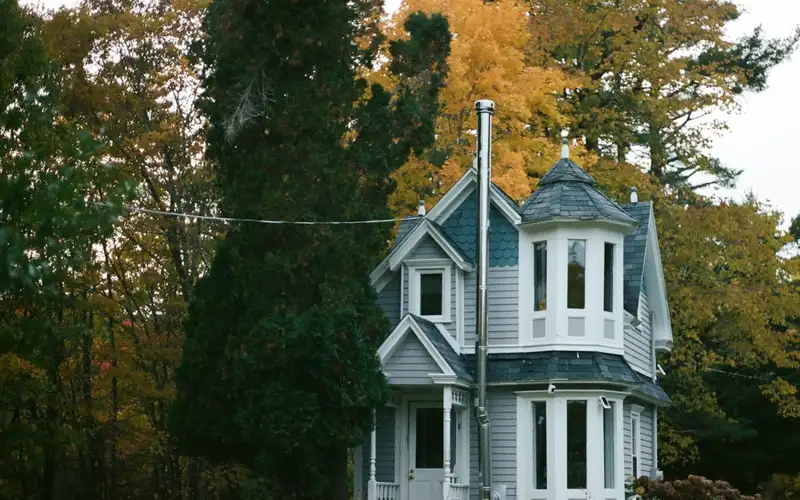
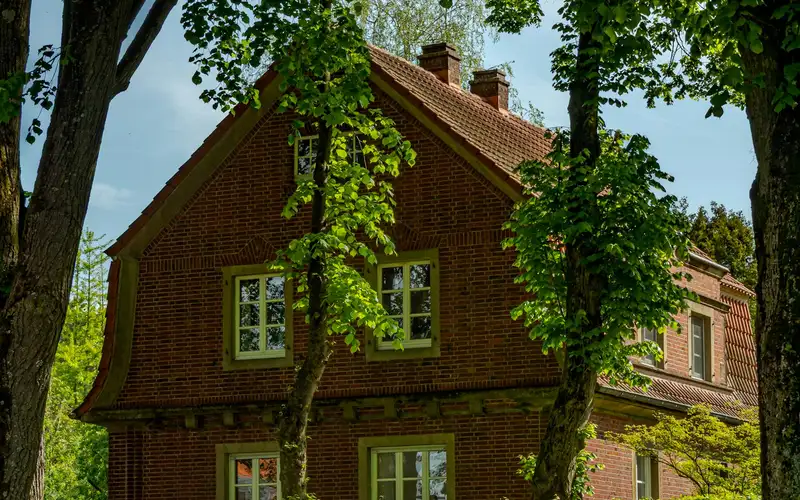
For a septic home in the R-40 neighborhoods, the questions that come up at a sale or an addition are whether sewer has reached the street, how the system compares with the city's four-foot separation rule, and whether the lot is in the Pennichuck watershed. A buyer can look up the system's state approvals on NHDES OneStop before closing.
FAQ
Nashua septic questions
Do I have to connect to the sewer in Nashua?
If your building is within 100 feet of a public sewer, yes: the city code says such buildings must connect, citing RSA 147:8. The city also won't approve repairing, altering or replacing a septic system where a public sewer abuts the property, unless the Health Officer, confirmed by the City Engineer, finds connection impossible or highly unreasonable.
Who approves a septic system in Nashua?
Both the city and the state. Nashua's Environmental Health Department observes test pits, reviews plans, including plans for failed systems, and inspects the bed bottom; NHDES approves the design and does the final inspection before the system can be used.
How far above the water table does a new system have to be?
Under the city code as amended January 14, 2025, a new system needs at least four feet of vertical separation to the seasonal high water table. A replacement for a failed system with no expansion should come as close to four feet as possible and never less than three.
What does the city charge for septic reviews?
The Environmental Health page, marked updated 2025, lists $50 per test pit observation, $50 for a plan review and $25 for a bed bottom inspection, all paid before local approval. NHDES charges its own $450 application fee.
What does it cost me to use New England Septic Pros?
Nothing. Asking is free for homeowners; the contractor prices the job, and the price and contract are between you and them.
Nearby