
Home › New Hampshire › Merrimack
Septic Pumping, Inspections and Repair in Merrimack, NH
The town's 2013 sewer plan says public sewer serves only about a third of Merrimack, and a home within 200 feet of a sewer line has to connect unless the town grants a waiver, which is open only to septic systems installed after 1985 that a designer finds working properly. Call (978) 486-7980 or use the form. A person reads every request and replies with what happens next.
- Free for homeowners
- Town and state septic rules on this page
- Souhegan River to Baboosic Brook
Ask About Septic Service in Your Area
Tell us about the system and what it is doing. A person reads it and replies with what happens next.
Please add your name, a 10-digit phone number and a valid email.
Your request didn't go through on our end. Please call (978) 486-7980 so it isn't lost.
Too many requests have come from this connection in a short time. Please call (978) 486-7980 and we'll take it from there.
We couldn't finish the spam check. Wait a moment and send it again, or call (978) 486-7980.
Septic in Merrimack
What is the system telling you?
Pumping & Maintenance
Routine tank pumping, filter cleaning and the records your board of health or town may ask for.
Septic Inspections
Title 5 inspections before a Massachusetts sale, and system evaluations for New Hampshire buyers and owners.

Repair & Leach Field Replacement
Broken baffles, failed pumps, backups and leach fields that no longer take water, permitted the way your town requires.
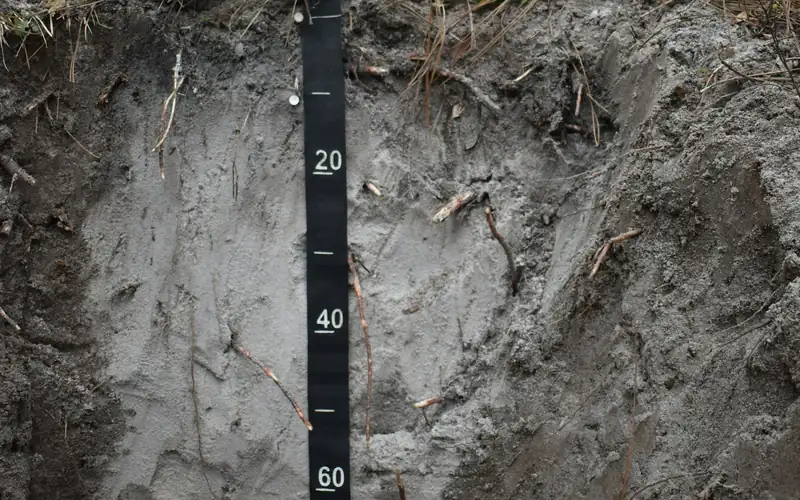
New System Design & Installation
A licensed designer or engineer draws the plan, the town or state approves it, and a permitted installer builds it.
Sewer letter or septic job?
(978) 486-7980Tell us whether the town has asked you to connect, you're adding space, or the system is backing up, and we'll help you work out the first step.
Permits
Septic permits and rules in Merrimack
Septic permits in Merrimack come from the Building & Code Enforcement Division, part of Fire & Rescue, at 432 Daniel Webster Highway (Building). Building permits are filed online through the town's OpenGov portal. The town's undated permit checklist puts new construction, renovations and foundation-only jobs on a combined building and septic application, with a separate sewer application where the lot is sewered (permit checklist).
- Town permit
- Building & Code Enforcement Division, 432 Daniel Webster Highway
- Apply online
- OpenGov
- State approvals
- NHDES Approval for Construction, then Approval for Operation
- Before backfill
- Notify the town; it inspects within 72 hours
- Sewer hookup
- $2,000 residential connection fee and a check valve (undated town page)
- Haulers using the town plant
- Town pretreatment permit and a tracking form for each load
The town's own permit. Merrimack's private wastewater article says that before a system is built the owner needs NHDES design approval plus "a written permit signed by the Town Building Inspector or designee," on a town form. The Town Council sets the permit and inspection fee, paid with the application, and the permit takes effect only after the installation is completed to the town's satisfaction. The town may inspect at any stage; the owner gives notice before underground parts are covered, and the town inspects within 72 hours. "No septic tank or cesspool shall be permitted to discharge to any natural outlet," and the Building Inspector may add requirements under RSA 147:8 (Town Code, private wastewater disposal). The fee schedule effective January 1, 2025 adds a 100% surcharge for work started before a permit is issued (fee schedule); ask the division for the current septic permit and inspection fee.
Haulers answer to the town too. Under the same article, septage haulers that deliver to the town's treatment plant need an individual pretreatment permit from the town, may discharge only at locations the town designates with its consent for each load, and fill out a waste tracking form; the town may sample loads. The DPW's "Get Pumped" flyer asks owners to hire only an NHDES-licensed septage hauler (Get Pumped flyer).
State rules. NHDES says a system needs both an Approval for Construction and an Approval for Operation before it's used (NHDES septic systems). Plans must be prepared and signed by an NHDES-permitted designer, and anyone in the business of installing systems needs an NHDES installer's permit (RSA 485-A:35; RSA 485-A:36). The system has to be built to the approved plans and inspected before it's covered (RSA 485-A:29). Adding bedrooms or otherwise increasing the load means applying to NHDES first (RSA 485-A:38). New Hampshire has no general septic inspection at sale; the exception is developed waterfront property with any part of the system within 250 feet of the reference line, where the buyer generally hires a licensed septic system evaluator (RSA 485-A:39). A property's past septic approvals are on NHDES OneStop, and digging needs a Dig Safe notice at least 72 hours ahead, weekends and holidays excluded (Dig Safe).
Last verified November 2026. Fees, restrictions and deadlines on this page are due for re-checking by November 2027. New England Septic Pros is a referral service. We don't design, install or pump septic systems; your designer and installer file the permits.
Sewer or septic
Sewer or septic in Merrimack
About a third sewered in 2013. The town's April 2013 Sewer Master Plan says the sewer serves "approximately a third of the community and part of Bedford to the north," and that "a significant portion of Merrimack is not currently served by public sewer." The main system covers most of the area east of the F.E. Everett Turnpike plus parts of central and northeastern Merrimack and drains to the 5.0 MGD plant on Mast Road, which discharges to the Merrimack River; a smaller southwest system around Erik Street, Naticook Road and Continental Boulevard flows to Nashua (2013 Sewer Master Plan). The Wastewater page lists no newer plan or dated extension project (Wastewater).
The post-1985 rule. Connection is required "if a home or building is within 200 feet of the sanitary sewer," under Town Code Chapter 158 and RSA 147:8. A waiver may be requested only for a system "installed after 1985" that a licensed subsurface designer has inspected and found to be functioning properly, with NHDES Subsurface and Town Council approval (Sewer Connection Requirements). The private wastewater article also says that when public sewer becomes available, a direct connection is required within 180 days and abandoned holding tanks must be filled and sealed (Town Code). Chapter 158, Sewer Use, was adopted January 26, 2012 and amended in its entirety May 26, 2022 (Chapter 158).
What tying in costs. The connection page lists a $2,000 connection fee for residential connections, due when the permit is issued, and says "A sanitary check valve IS required"; the Building Official inspects before backfill. The page carries no date, and we found no payment plan.
Water
Water Merrimack protects
Aquifers under the house lots. Merrimack's Aquifer Conservation District (Zoning 2.01.9) takes in Wellhead Protection Areas, the Balance of the Aquifer District and the Balance of the Watershed, mapped from USGS and Nashua Regional Planning Commission studies (Zoning Ordinance), and a 2018 zoning board agenda lists residential lots inside the "Aquifer Conservation Districts and Wellhead Protection Area" (ZBA agenda, September 2018). The Merrimack Village District water utility posts PFAS updates and sampling results (Merrimack Village District), and the town points private-well owners to NHDES PFAS rebates (PFAS). In a town that watches its groundwater this closely, a leach field is part of the drinking water picture; ask the division what the district asks of a new or replacement system on your lot.
Wetland buffers and shoreland. A 2018 zoning board agenda shows building within the 25-foot wetland buffer going to the Zoning Board of Adjustment as a special exception (ZBA agenda). A local Shoreland Protection District also exists (Zoning 2.02.12). State law sets septic setbacks from the reference line of lakes and ponds at 75 to 125 feet depending on the soil, and 75 feet from rivers (RSA 483-B:9).
Flood corridors. The Hazard Mitigation Plan adopted July 15, 2021 names the Merrimack River, the Souhegan River and Baboosic Brook as flood corridors and calls the Island Drive area "particularly prone to flooding" (2021 Hazard Mitigation Plan). A leach field near those corridors deserves a careful look at seasonal high water before any redesign.
Merrimack's homes
A single-family town, mostly beyond the pipes
Merrimack has 10,264 housing units, 8,609 of them single-family homes (NHES community profile, ACS 2014–2018), and the 2013 sewer plan says public sewer serves about a third of the community. We didn't find an official count of home ages.
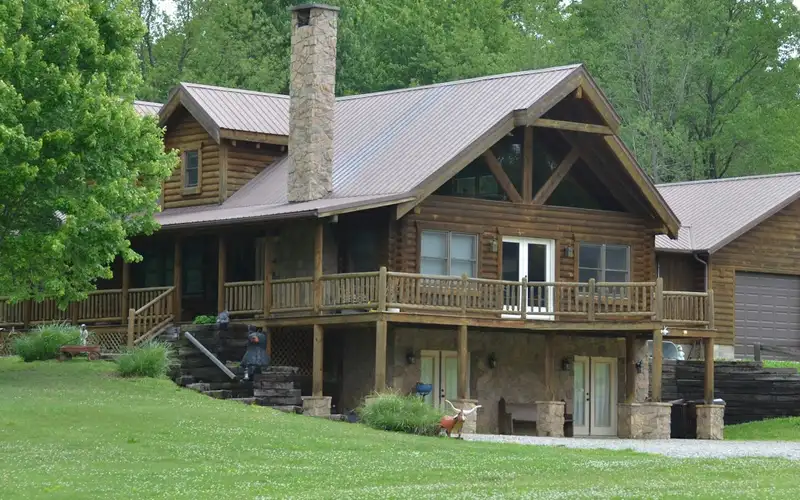
Adding an accessory dwelling unit on septic means the system has to meet state requirements "for the combined system demand for total occupancy of the premises," and a detached unit's lot must be at least 125% of the minimum lot area (Zoning 2.02.1, revised September 12, 2024). The zoning definitions also warn that a seasonal building "may not have had a septic system designed for year round use" (Zoning Ordinance), and NHDES requires an approval for construction before a seasonal home is converted to full-time use.
FAQ
Merrimack septic questions
Do I have to connect to sewer in Merrimack?
If the home is within 200 feet of the town sewer, the town says yes. A waiver can be requested only for a septic system installed after 1985 that a licensed subsurface designer has inspected and found to be working properly. The request goes to the Director of Public Works and needs both NHDES Subsurface approval and Town Council approval.
What does a sewer hookup cost in Merrimack?
The town's sewer connection page lists a $2,000 connection fee for residential connections, due when the permit is issued, and requires a sanitary check valve. The Building Official inspects before backfill. The page carries no date, so confirm the fee with Public Works.
Does the town inspect a new septic system?
Yes. The Town Code requires NHDES design approval and a written permit signed by the Building Inspector or a designee. The owner has to notify the town before any underground part is covered, and the town inspects within 72 hours. The permit takes effect only once the installation is finished to the town's satisfaction.
Is my lot in an aquifer protection area?
It may be. The Aquifer Conservation District covers Wellhead Protection Areas, the Balance of the Aquifer District and the Balance of the Watershed, and a 2018 zoning board agenda lists house lots inside them. Ask the Building & Code Enforcement Division how the district applies before a replacement is designed.
What does it cost me to use New England Septic Pros?
Nothing. Asking is free for homeowners; the contractor prices the job, and the price and contract are between you and them.
Nearby