
Home › New Hampshire › Dover
Septic Pumping, Inspections and Repair in Dover, NH
In Dover a septic system needs the City Engineer's written permit as well as state approval, and the city inspects before anything is covered. All of Dover's drinking water comes from wells, so zoning keeps septic out of wetland districts and within limits in groundwater zones. Call (978) 486-7980 or use the form. A person reads every request and replies with what happens next.
- Free for homeowners
- City and state rules on this page
- Dover Point to the Cocheco
Ask About Septic Service in Your Area
Tell us about the system and what it's doing. A person reads it and replies with what happens next.
Please add your name, a 10-digit phone number and a valid email.
Your request didn't go through on our end. Please call (978) 486-7980 so it isn't lost.
Too many requests have come from this connection in a short time. Please call (978) 486-7980 and we'll take it from there.
We couldn't finish the spam check. Wait a moment and send it again, or call (978) 486-7980.
Septic in Dover
What does your system need?
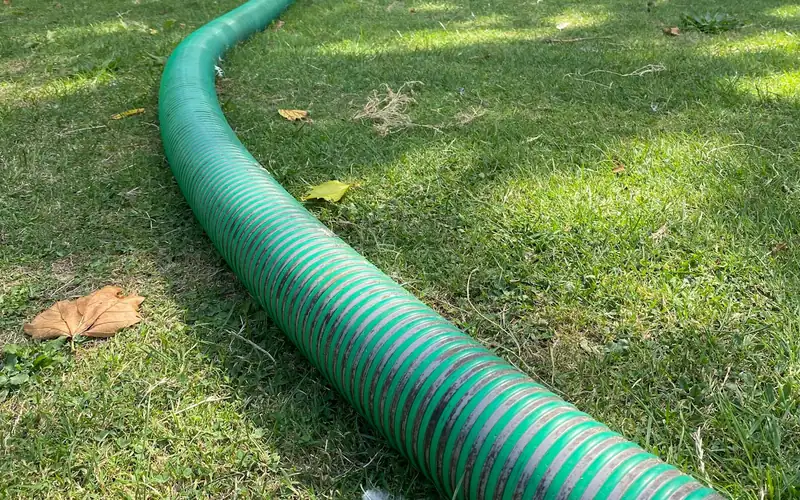
Pumping & Maintenance
Routine tank pumping, filter cleaning and the records your board of health or town may ask for.
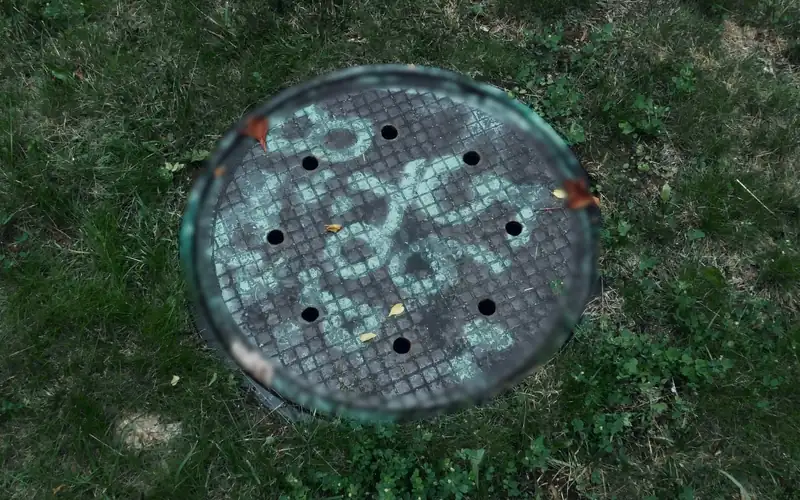
Septic Inspections
Title 5 inspections before a Massachusetts sale, and system evaluations for New Hampshire buyers and owners.
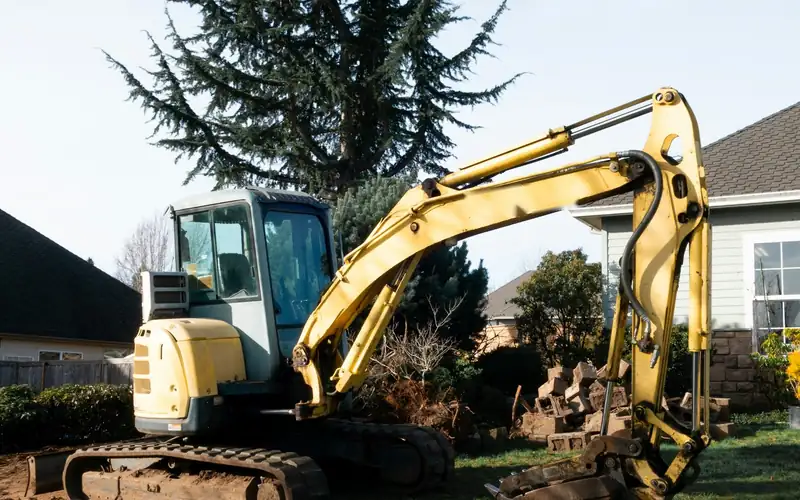
Repair & Leach Field Replacement
Broken baffles, failed pumps, backups and leach fields that no longer take water, permitted the way your town requires.
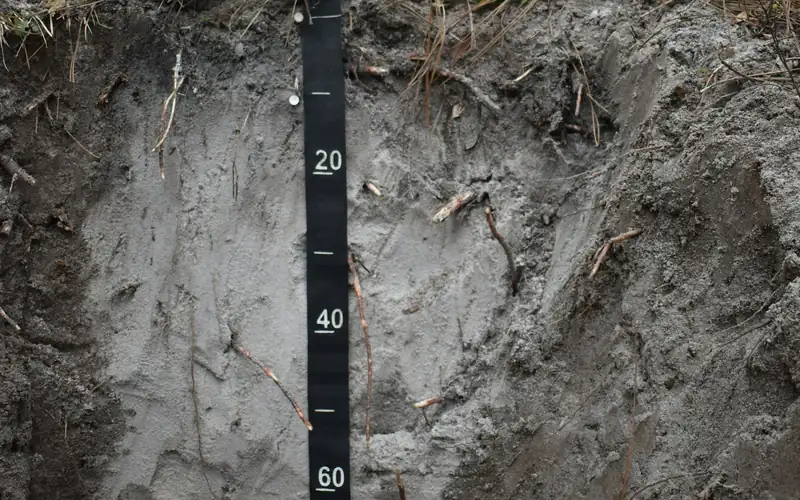
New System Design & Installation
A licensed designer or engineer draws the plan, the town or state approves it, and a permitted installer builds it.
Not sure where to start?
(978) 486-7980Tell us what the system is doing and whether the lot is near a wetland or a sewer line, and we'll help you work out the next step.
Permits
Septic permits and rules in Dover
Dover's sewer code allows a private system only where public sewer isn't available, and before construction the owner must "obtain design approval from the Division and a written permit signed by the City Engineer" on a city form, with one fee for each leach bed in a community system. The permit "shall not become effective until the installation is completed to the satisfaction of the City Engineer," who may inspect at any stage and inspects within 24 hours of notice when work is uncovered; the Health Officer may add requirements (city code §121-3, amended February 12, 2020). The City Engineer sits in Community Services; building and plumbing permits go through Inspection Services at 269 Mast Road and the city's online permit portal (city permitting).
- Local permit
- Written permit signed by the City Engineer (Community Services)
- State approval
- NHDES design approval before the city permit
- Septic system review
- $50 each (proposed FY2025 schedule of fees)
- Inspection
- City Engineer, within 24 hours of notice, before cover
- Wetland districts
- No septic tank or leach field within 75 feet
- Sewer within 100 feet
- Connect within 90 days of official notice
Posted fees. The city's proposed FY2025 Schedule of Fees, to be effective July 1, 2024 through June 30, 2025, lists a Septic System Review at $50 each and a Wastewater Connection Permit at $50 each, both unchanged from FY2024 (FY2025 Schedule of Fees, p. 31). Those are FY2025 amounts; check the current schedule with Community Services before you apply.
City rules. Dover's code says "No septic tank or cesspool shall be permitted to discharge to any natural outlet" (§121-3). Zoning keeps septic tanks and leach fields 75 feet from any Wetland Protection District and excludes on-site sewage disposal from the district; new subdivision lots must have room for a house, a state-approved septic system and a state-approved well outside wetlands (Zoning §170-28). Separately, land-altering work within 50 feet of a wetland edge, 100 feet of tidal waters, rivers and natural ponds, or 50 feet of streams needs a conditional use permit (Planning FAQ). Site plans must show all on-site waste disposal systems and wells (§153-13).
State rules. NHDES issues an Approval for Construction and, after inspection, an Approval for Operation (NHDES septic systems). An NHDES-permitted designer prepares and signs the plans, and businesses installing systems need an NHDES installer permit (RSA 485-A:35; RSA 485-A:36). New Hampshire has no general inspection at sale; for developed waterfront property with any part of the system within 250 feet of the reference line, the buyer generally hires a licensed evaluator before the transfer (RSA 485-A:39). Adding bedrooms or other load needs NHDES approval first (RSA 485-A:38), and excavation needs a Dig Safe ticket at least 72 hours ahead, excluding weekends and holidays (Dig Safe).
Last verified November 2026. Fees, restrictions and deadlines on this page are due for re-checking by February 2027. New England Septic Pros is a referral service. We don't design, permit or install septic systems; the designer and installer handle the approvals.
Sewer or septic
Sewer or septic in Dover
Dover has a city sewer system and treatment plant, with a separated sewer system dating from the 1970s; in May 2026 the city announced inflow and infiltration work to protect the Great Bay Estuary (city news, May 26, 2026). The city doesn't publish which neighborhoods remain on septic, but its code and zoning plan for both: the City Engineer permits private systems, and site plans have to show on-site disposal systems and wells.
Sewer extension in design. The Community Services report for January 2026, dated February 12, 2026, lists the Mill Street Pump Station Improvements in final design and pre-bidding, with a scope that includes extending sewer from the Eliot Park and Stark Avenue area to Dover Point Road (Community Services report, January 2026). That report is the latest status we found; we didn't find a construction schedule.
The connection rule. Owners must connect "within 90 days after date of official notice to do so, provided that said public sewer is within 100 feet of the building," and when sewer becomes available to a property on a private system, a direct connection is required within 90 days of official notice. The owner pays all costs of installing and connecting the building sewer (city code §§121-2, 121-3, 121-4). If sewer is coming down your road, that's worth knowing before you put money into a new leach field.
Septage. Tanks may be pumped only by licensed operators, and septage is accepted at the treatment plant's receiving structure during set hours; dumping fees are part of the user charge system (§121-3). Haulers also need an NHDES septage hauler permit (Env-Wq 1600).
Water
Water Dover protects
Groundwater protection zones
Primary and secondary zones around the aquifers that supply the city's wells. In secondary zones, only NHDES-approved domestic septic is allowed.
Wetland Protection Districts
No septic tank or leach field inside the district or within 75 feet of it.
Tidal waters and rivers
A 100-foot buffer from tidal waters, rivers and natural ponds, and the Great Bay Estuary the city's sewer work aims to protect.
Dover's drinking water all comes from the ground: ten production wells drawing on four aquifers, according to the city's 2025 Consumer Confidence Report. The Pudding Hill well stayed offline until a new PFAS treatment plant was commissioned in May 2024 (2025 Consumer Confidence Report), and the January 2026 Community Services report described groundwater as low across all aquifers.
Zoning §170-33 sets primary and secondary groundwater protection zones. In the secondary zones, liquid waste disposal is prohibited "except for normal sanitary waste disposal from a domestic septic system approved in compliance with" NHDES rules (Zoning §170-33). The city's Groundwater Protection Zones map is dated April 15, 2015. Near tidal waters, rivers and natural ponds, the city's Conservation District sets a 100-foot setback for most land-altering work (Planning FAQ); state septic setbacks run 75 feet from rivers and 75 to 125 feet from ponds and tidal water depending on soil, and work in the protected shoreland may need an NHDES shoreland permit (RSA 483-B:9; protected shoreland).
Dover's homes
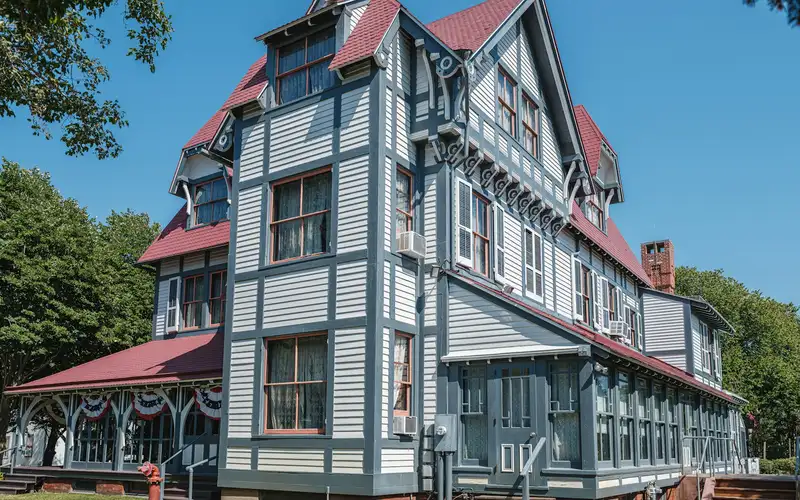
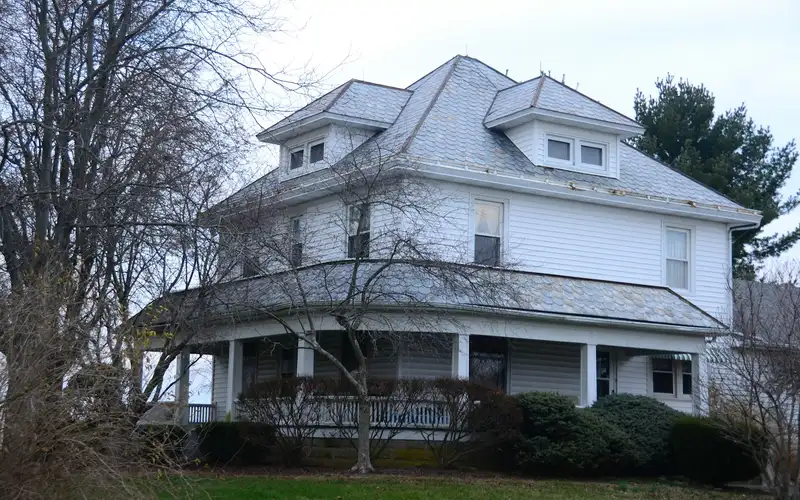
Much of Dover's housing predates 1960
Dover's 2015 Land Use chapter, citing state housing finance data, says "nearly 46 percent" of homes were built before 1960 and nearly 29%, more than 3,700 units, before 1940; about 53% of units are multi-family (Land Use chapter, 2015). The city doesn't say how many homes are on septic; for those that are, the City Engineer's permit and the wetland and groundwater rules above shape any repair or replacement.
NHDES keeps septic approval records on OneStop, which helps a buyer see what was approved for a lot. NHDES suggests an inspection by a licensed contractor about every three years and pumping when needed, typically every three to five years (NHDES SepticSmart).
FAQ
Dover septic questions
Does Dover issue its own septic permit?
Yes. Before building a private system, the owner needs NHDES design approval and a written permit signed by the City Engineer. The permit takes effect only once the installation is finished to the City Engineer's satisfaction, and the city inspects within 24 hours of notice when work is uncovered.
How close to a wetland can a septic system go in Dover?
Under Dover zoning, no septic tank or leach field may be built or enlarged closer than 75 feet to any Wetland Protection District, and on-site sewage disposal isn't an allowed use inside the district.
Do I have to connect when sewer reaches my street?
The city code requires a connection within 90 days of official notice when a public sewer is within 100 feet of the building. A sewer extension from the Eliot Park and Stark Avenue area to Dover Point Road is part of the Mill Street pump station project, which the city reported in final design in February 2026.
Is septic allowed in Dover's groundwater protection zones?
In the secondary zones, liquid waste disposal is prohibited except normal sanitary waste from a domestic septic system approved under NHDES rules.
What does it cost me to use New England Septic Pros?
Nothing. Asking is free for homeowners; the contractor prices the job, and the price and contract are between you and them.
Nearby