
Home › New Hampshire › Rochester
Septic Pumping, Inspections and Repair in Rochester, NH
Rochester requires homes within 100 feet of public sewer to connect, but the owner of a septic system built after January 1, 1985 by NHDES-licensed pros, and certified by a licensed evaluator within the past year, can request a waiver. Call (978) 486-7980 or use the form. A person reads every request and replies with what happens next.
- Free for homeowners
- City and state rules on this page
- Colonial Pines to Gonic
Ask About Septic Service in Your Area
Tell us about the system and what it's doing. A person reads it and replies with what happens next.
Please add your name, a 10-digit phone number and a valid email.
Your request didn't go through on our end. Please call (978) 486-7980 so it isn't lost.
Too many requests have come from this connection in a short time. Please call (978) 486-7980 and we'll take it from there.
We couldn't finish the spam check. Wait a moment and send it again, or call (978) 486-7980.
Septic in Rochester
What does your system need?
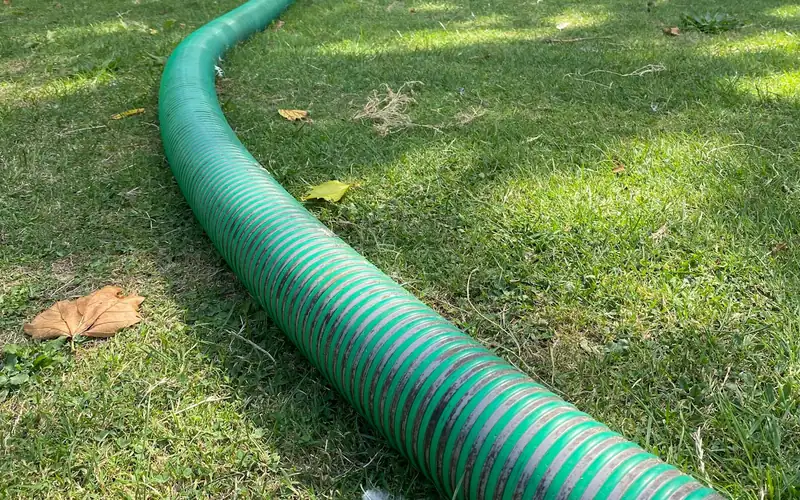
Pumping & Maintenance
Routine tank pumping, filter cleaning and the records your board of health or town may ask for.
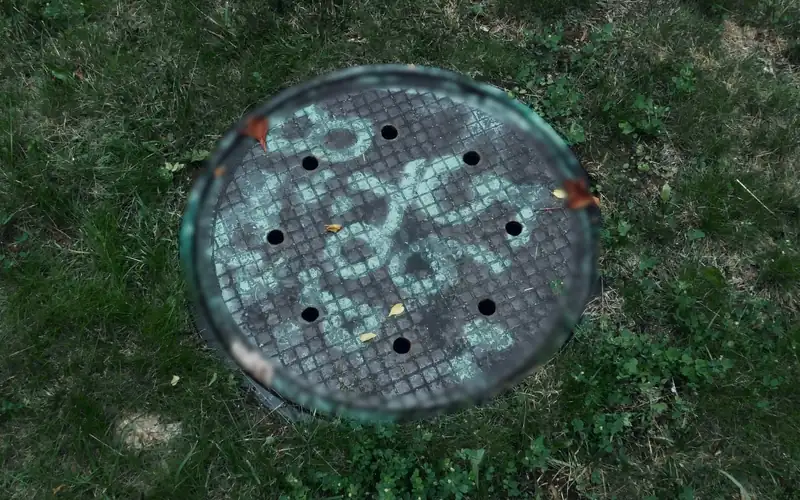
Septic Inspections
Title 5 inspections before a Massachusetts sale, and system evaluations for New Hampshire buyers and owners.
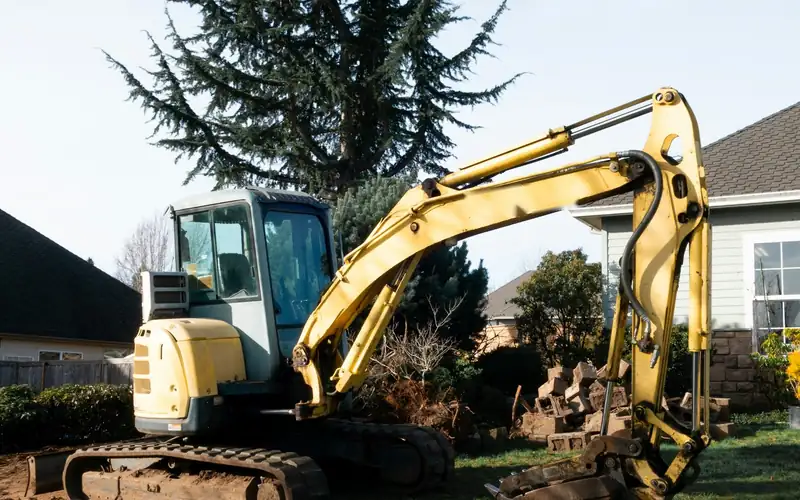
Repair & Leach Field Replacement
Broken baffles, failed pumps, backups and leach fields that no longer take water, permitted the way your town requires.
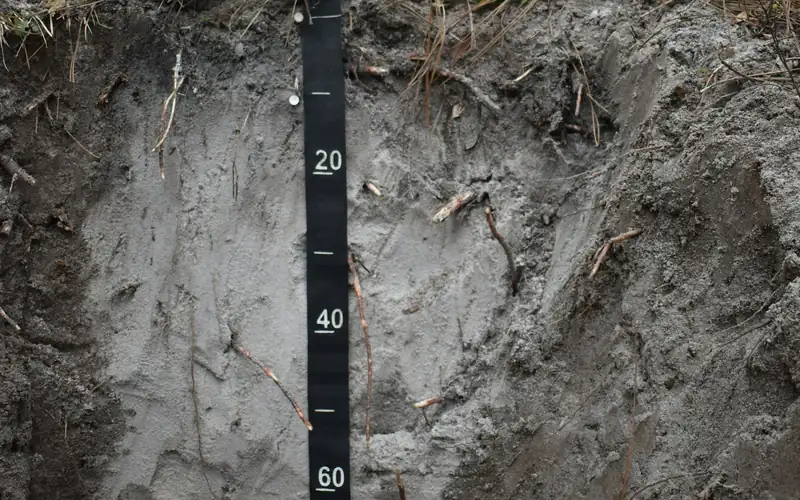
New System Design & Installation
A licensed designer or engineer draws the plan, the town or state approves it, and a permitted installer builds it.
Got a sewer notice?
(978) 486-7980Tell us when the system was built and whether the city has written to you about sewer, and we'll help you work out the next step.
Permits
Septic permits and rules in Rochester
For septic, the controlling approval in Rochester is the state's. We didn't find a separate city septic permit or septic inspection; the city's new-home permit packet from Building and Licensing Services at 33 Wakefield Street asks for an N.H. approved septic design where one is required and a site plan showing where the system goes (new home packet). Building permits are filed on the city's OpenGov portal. The same packet notes a Board of Health rule, effective November 1, 2023, that new homes not on city water must test their wells for arsenic and radon.
- Septic approval
- NHDES approval for construction, then approval for operation
- City building permit
- NH-approved septic design (if required) and a site plan showing the system
- Sewer within 100 feet
- Connect within 90 days of official notice
- Waiver to keep septic
- Built after Jan. 1, 1985, licensed designer and installer, evaluator certification within a year
- Waiver request
- Letter to the Assistant City Engineer, Public Works
- New wells
- Arsenic and radon testing (Board of Health, Nov. 1, 2023)
The state steps. NHDES reviews the design and issues an Approval for Construction; after it inspects the installed system, it issues an Approval for Operation, and the system can't be covered or used before that inspection (NHDES septic systems; RSA 485-A:29). The application fee is $450 per system (RSA 485-A:30). Plans are prepared and signed by an NHDES-permitted designer, and businesses installing systems need an NHDES installer permit (RSA 485-A:35; RSA 485-A:36). Adding bedrooms or converting a seasonal place to year-round use needs NHDES approval first (RSA 485-A:38; NHDES).
Sales and pumping. New Hampshire has no general septic inspection at sale; it applies to developed waterfront property with any part of the system within 250 feet of the reference line, where the buyer generally hires a licensed evaluator before the transfer (RSA 485-A:39). Pumpers need an NHDES septage hauler permit (Env-Wq 1600), and any excavation needs a Dig Safe ticket at least 72 hours ahead, not counting weekends and holidays (Dig Safe).
Last verified November 2026. Fees, restrictions and deadlines on this page are due for re-checking by February 2027. New England Septic Pros is a referral service. We don't design, permit or install septic systems or sewer connections; the contractor handles the approvals.
Sewer or septic
Sewer or septic in Rochester
Rochester has both. The city doesn't publish what share of homes are on septic, but its sewer rules are written with septic owners in mind. Under city ordinance, "Structures within one hundred (100) feet of the public sewer" must connect, and owners on private septic have 90 days after official notice (Sewer Connection Waiver Fact Sheet, updated January 2022).
The waiver test. The same fact sheet lets an owner request a waiver to keep an adequate septic system if it was built after January 1, 1985, designed by an NHDES-licensed designer and installed by an NHDES-licensed installer, and certified as functioning properly by an NHDES-licensed evaluator within the past year, with the owner showing compliance with state and local rules. Requests go by letter to the Assistant City Engineer at Public Works. A system built before 1985 doesn't meet the first test, so for those homes a sewer notice generally means connecting. For newer systems, the evaluator's certification is the piece most owners will need to arrange.
Colonial Pines. The city's "5 Phase Plan" brought a gravity line under the Spaulding Turnpike in 2017 and down Railroad Avenue in 2018; Phase 2 ran sewer into Colonial Pines from 2019 to December 2020, Phase 3 was bid in 2022 and expected to finish in 2023, and Phase 4 was in design (Colonial Pines Sewer Project; updates listed through November 30, 2022). Minutes of the Public Works and Buildings Committee's February 16, 2023 meeting show Phase 4 covering Hemlock Street, Meadow Lane and Balsam Lane, about 74 homes. It was split because newer homes on larger parcels are often beyond the 100-foot mandatory distance; staff recommended, and committee members voiced support for, an option of about $4.4 million in the FY2024 capital plan that "would capture all the homes that have known problems with existing septic systems" plus all that asked to connect, with the rest programmed for FY2025 and possibly delayed. A homeowner survey came back 24 yes, 21 no, 2 no preference and 29 no response. Abandoned tanks are pumped, filled with stone, crushed in place and loamed (April 20, 2023 committee packet). We didn't find a public update on Phases 3 to 5 after 2023, so ask Public Works where your street stands.
Hooking up. Connections are applied for at Public Works (the current application form lists 209 Chestnut Hill Road), with a sketch tied to the state vertical datum; pumped connections may need engineered plans. The owner pays all connection costs and must hire a City of Rochester-licensed sewer contractor, Public Works inspects before backfill, and the application form lists a $100 permit fee for each service request, inspections included (sewer connections; connection application).
Water
Water Rochester protects
Aquifer Protection Overlay
A 1,000-foot radius around existing and potential city wells, with septage lagoons prohibited.
Berry River reservoirs
Rochester Reservoir, Round Pond and Tufts Pond supply the city; swimming, boating and fishing are banned.
River and pond buffers
75 feet from the Cocheco, Salmon Falls and Isinglass Rivers; 50 feet from named brooks and ponds.
The Aquifer Protection Overlay District includes "a protective radial distance of 1,000 feet around" existing and potential municipal wells, prohibits wastewater and septage lagoons, and says that where state and city rules overlap "the more stringent shall govern"; private homes are exempt from its performance standards (Aquifer Protection Overlay District). The city's water comes from the Berry River watershed reservoirs, Rochester Reservoir, Round Pond and Tufts Pond (water supply).
The Conservation Overlay District, with its buffer table amended March 5, 2019, sets buffers of 75 feet from the Cocheco, Salmon Falls and Isinglass Rivers and 50 feet from Axe Handle, Heath, Hurd, Willow and Clark Brooks, Baxter Lake, Rochester Reservoir, Hanson Pond, Little Long Pond, Champlin Pond, poorly drained soils and vernal pools. Land within 25 feet of a wetland edge "shall not be altered," and heavy equipment isn't allowed there (Conservation Overlay District). A leach field replacement near one of those waters has to fit around them. Near rivers, state septic setbacks are 75 feet, and work within 250 feet may need an NHDES shoreland permit (RSA 483-B:9; protected shoreland).
Rochester's homes
Mill villages, older lots and newer subdivisions
A draft chapter of Rochester's master plan (Draft #3, June 7, 2024) describes Gonic's 1849 mill and East Rochester's 1862 mill and company housing (Cultural and Historic Resources draft). The city's new home packet exempts single-family homes on lots created before 1995 from the sewer assessment application, and the Colonial Pines minutes describe "newer homes on larger parcels" at the edge of the sewer project, often too far from the main to be required to connect.

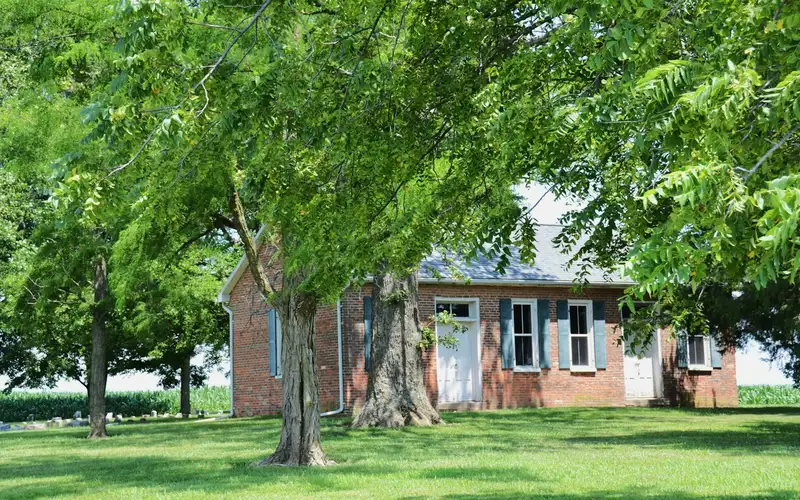
To see what was approved for a lot, NHDES keeps septic records on OneStop; the approval date is a useful clue when you look at the city's post-1985 waiver test. NHDES suggests an inspection by a licensed contractor about every three years and pumping when needed, typically every three to five years (NHDES SepticSmart).
FAQ
Rochester septic questions
Do I have to connect to sewer in Rochester?
If your house is within 100 feet of the public sewer, city ordinance requires a connection, and owners on private septic must connect within 90 days of official notice. A waiver is possible for a qualifying septic system.
How do I keep my septic system instead of connecting?
The city's waiver fact sheet, updated January 2022, requires a system built after January 1, 1985, designed by an NHDES-licensed designer and built by an NHDES-licensed installer, and certified as functioning properly by an NHDES-licensed evaluator within the past year. You request the waiver by letter to the Assistant City Engineer at Public Works.
Is sewer coming to Colonial Pines?
The city has been extending sewer into Colonial Pines in phases. In February 2023, staff recommended and city committee members voiced support for a Phase 4 option covering homes with known septic problems on Hemlock Street, Meadow Lane and Balsam Lane and all that asked to connect. We didn't find a public update on the later phases after 2023, so check with Public Works.
Does Rochester inspect sewer hookups?
Yes. You apply to Public Works with a sketch, hire a City of Rochester-licensed sewer contractor, and Public Works inspects the connection before it is backfilled. The application form lists a $100 permit fee for each service request, inspections included.
What does it cost me to use New England Septic Pros?
Nothing. Asking is free for homeowners; the contractor prices the job, and the price and contract are between you and them.
Nearby