
Home › New Hampshire › Portsmouth
Septic Pumping, Inspections and Repair in Portsmouth, NH
Almost all of Portsmouth is on city sewer. The big exception was the Sagamore Creek neighborhoods, where ledge, tight lots and failed systems led to a sewer extension required by a consent decree, and the city still issues permits for the septic systems that remain. Call (978) 486-7980 or use the form. A person reads every request and replies with what happens next.
- Free for homeowners
- City and state rules on this page
- Sagamore Creek to Little Harbor
Ask About Septic Service in Your Area
Tell us about the system and what it's doing. A person reads it and replies with what happens next.
Please add your name, a 10-digit phone number and a valid email.
Your request didn't go through on our end. Please call (978) 486-7980 so it isn't lost.
Too many requests have come from this connection in a short time. Please call (978) 486-7980 and we'll take it from there.
We couldn't finish the spam check. Wait a moment and send it again, or call (978) 486-7980.
Septic in Portsmouth
What does your system need?
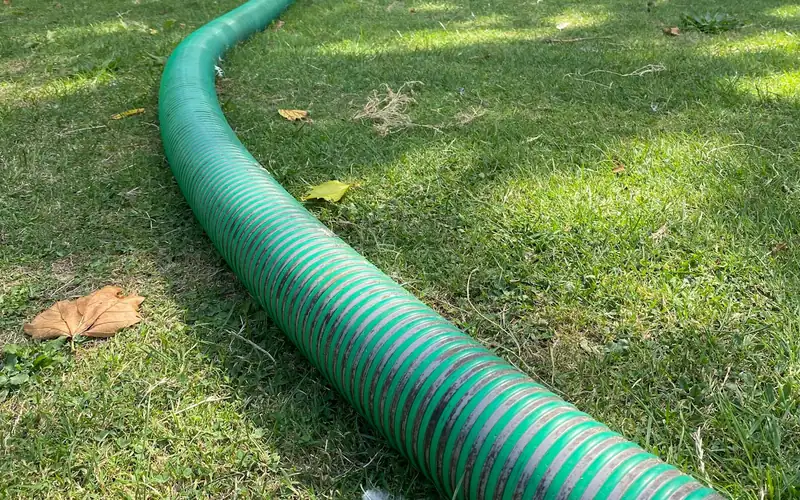
Pumping & Maintenance
Routine tank pumping, filter cleaning and the records your board of health or town may ask for.
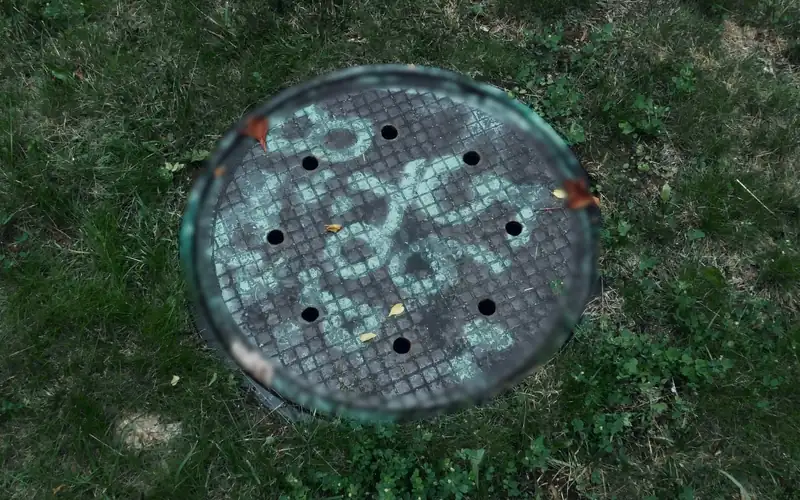
Septic Inspections
Title 5 inspections before a Massachusetts sale, and system evaluations for New Hampshire buyers and owners.
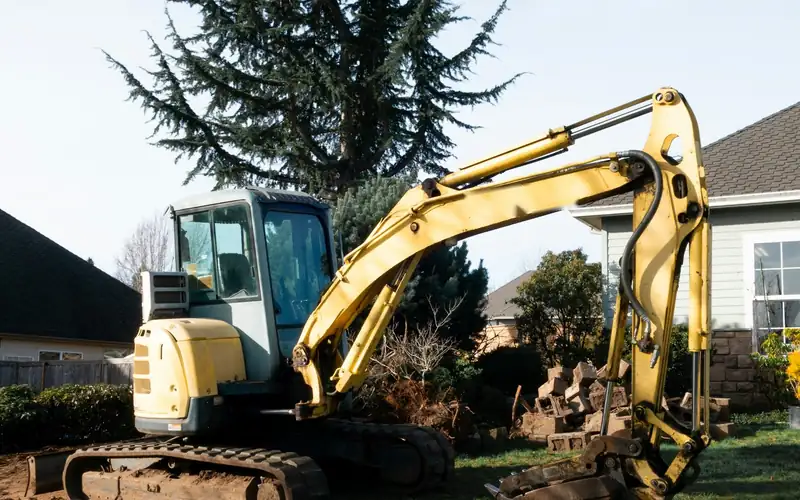
Repair & Leach Field Replacement
Broken baffles, failed pumps, backups and leach fields that no longer take water, permitted the way your town requires.
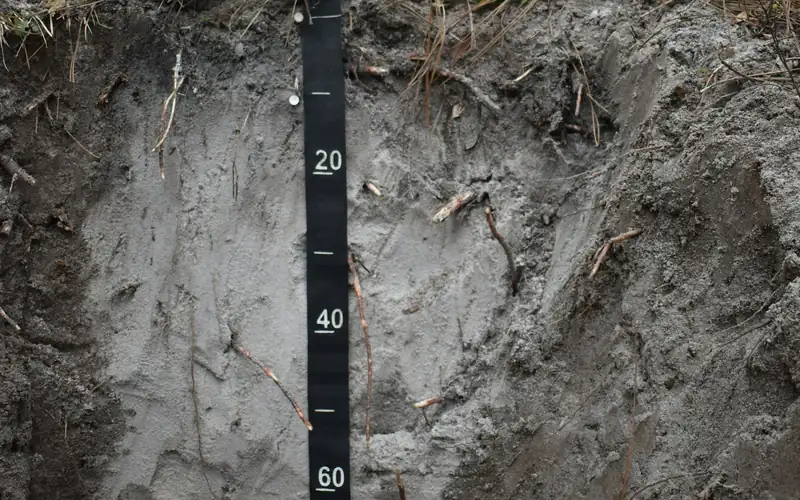
New System Design & Installation
A licensed designer or engineer draws the plan, the town or state approves it, and a permitted installer builds it.
Septic or sewer?
(978) 486-7980Tell us where the house is, whether sewer runs nearby and what the system is doing, and we'll help you work out what comes next.
Permits
Septic permits and rules in Portsmouth
Private septic systems in Portsmouth are permitted by the Plumbing Inspector in the Inspection Department at City Hall, 1 Junkins Avenue. Under the city's sewer ordinance, a written permit is required before a private sewage disposal system is built, and the application may need plans and percolation test results. The permit doesn't take effect until the Plumbing Inspector approves the completed installation, with a final inspection before any underground parts are covered, and the Health Officer may add requirements (Ordinance Chapter 11, §11.204, posted as updated May 20, 2026). Permits are filed through the city's online permitting portal.
- Local permit
- Plumbing Inspector, Inspection Department, City Hall, 1 Junkins Ave
- State approval
- NHDES approval for construction, then approval for operation
- Septic fee
- $30 per dwelling on the plumbing permit schedule
- Work without a permit
- 200% of the fee or $300, whichever is greater
- Before cover
- Final inspection by the Plumbing Inspector
- Sewer within 150 feet
- Connect within 90 days unless a waiver applies
Posted fees. The city's plumbing permit fee page, updated October 18, 2023, lists septic at $30 per dwelling with a $75 residential minimum, and charges 200% of the fee or $300, whichever is greater, for work started without a permit (plumbing permit fees).
City rules. The ordinance says no permit may be issued for a subsurface system where percolation tests show poor drainage, and "No septic tank or cesspool shall be permitted to discharge to any natural outlet." The owner must operate and maintain the system in a sanitary way "at no expense to the City" (§11.204). The bigger local rule is the sewer connection requirement, below.
State rules. NHDES issues the Approval for Construction and, after inspection, the Approval for Operation (NHDES septic systems). Plans are prepared and signed by an NHDES-permitted designer, and businesses installing systems need an NHDES installer permit (RSA 485-A:35; RSA 485-A:36). On the coast this one matters: before the sale of developed waterfront property with any part of the system within 250 feet of the reference line, the buyer generally hires a licensed septic evaluator, and a failing system has to be replaced within 180 days of the transfer (RSA 485-A:39). Pumpers need an NHDES septage hauler permit (Env-Wq 1600), and any digging needs a Dig Safe ticket at least 72 hours ahead, not counting weekends and holidays (Dig Safe).
Last verified November 2026. Fees, restrictions and deadlines on this page are due for re-checking by January 2027. New England Septic Pros is a referral service. We don't design, permit or install septic systems or sewer connections; the contractor handles the permits.
Sewer or septic
Sewer or septic in Portsmouth
Most Portsmouth homes are on sewer. The city runs wastewater collection and treatment for Portsmouth, New Castle and parts of Greenland and Rye, with 99 miles of mains and 19 pump stations; the oldest parts of the system are still combined, and the Pease Tradeport has its own system (sewer collection system). The city doesn't publish a count of the homes still on septic. The septic area it has documented is along Sagamore Creek.
The Sagamore Creek sewer extension. A consent decree with NHDES and EPA requires the city to extend sewer to all Portsmouth properties along this part of Sagamore Creek, whose water quality is impaired. The design served 88 properties with 91 connections, 64 north of the creek and 27 south; three homes on holding tanks had to connect under NHDES requirements (project FAQ, April 27, 2022). The April 2021 preliminary design report explains why: properties with "failed septic systems," "difficult soil conditions" and no space to handle wastewater on site. Of 88 ledge probes, 40 hit ledge at less than 5.5 feet. Streets in the study areas included Cliff Road, Little Harbor Road, Shaw Road, Sagamore Grove, Wentworth House Road and Walker Bungalow Road (preliminary design report). The system is a low-pressure sewer, with a grinder pump at each house, flowing to the Peirce Island treatment plant.
Where it stands. According to the city's April 5, 2023 public meeting presentation, the main north of the creek was substantially complete in December 2022, the south main was scheduled for substantial completion in December 2023, and work on private properties was continuing into 2024 (April 2023 presentation). That's the latest dated status we found; the city's project page leaves its estimated completion blank. The project page says owners in the project area who may wish to connect later "will have until December 2026 to notify the City of their intention to do so," warns that "costs for connection are expected to go up over time," and says private-side work needs a fully executed agreement with the city first.
The connection rule citywide. Where public sewer is available, meaning the property is within 150 feet of the property line abutting the street, "a direct connection shall be made to the public sewer" within 90 days, which the City Engineer can extend to 150 days, and septic tanks and cesspools "shall be abandoned" and filled. An owner can get a waiver if the system is "adequately functioning to serve the current property uses and legally permitted under State law"; the waiver is withdrawn if the system stops functioning, and then the home has to connect (Ordinance Chapter 11, updated May 20, 2026). The 2022 project FAQ notes that NHDES doesn't require connection at the time of a sale.
Water
Water Portsmouth protects
Sagamore Creek and Little Harbor. The 2021 design report notes that NHDES flagged Sagamore Creek as a potential contributor to bacteria problems in Little Harbor, which is under a bacteria TMDL, and the creek's water quality is listed as impaired (preliminary design report).
Tidal wetland buffers. The city's zoning puts a 100-foot buffer around wetlands larger than 10,000 square feet, which takes in most tidal areas. New construction, ground disturbance and filling or removing soil there need a city conditional use permit, with a vegetated strip in the first 25 feet and limited cutting from 25 to 50 feet (wetland buffer map; Zoning Ordinance §10.241). A leach field repair near the water starts with that permit. State septic setbacks from estuaries and the ocean run 75 to 125 feet depending on the soil, and work within 250 feet may need an NHDES shoreland permit (RSA 483-B:9; protected shoreland).
Ledge. The Sagamore probes are the clearest local picture of the ground: 40 of 88 found ledge shallower than 5.5 feet, and 23 more between 5.5 and 8.5 feet. Shallow ledge limits where a leach field can go.
Portsmouth's homes
Older homes than the county as a whole
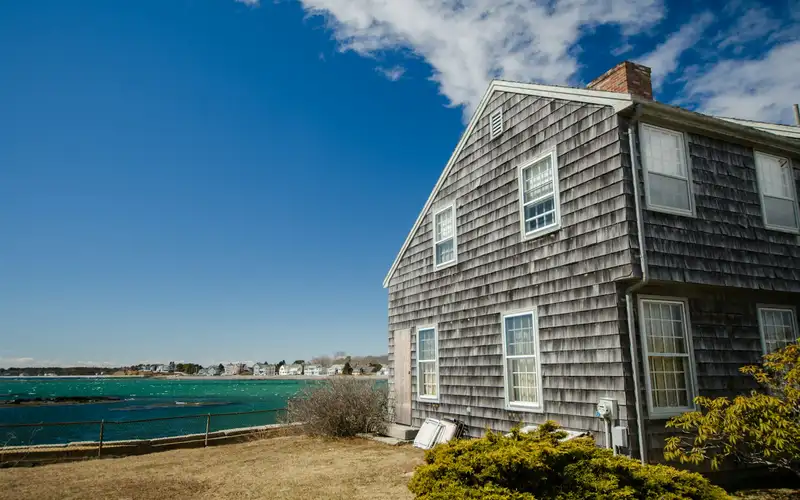
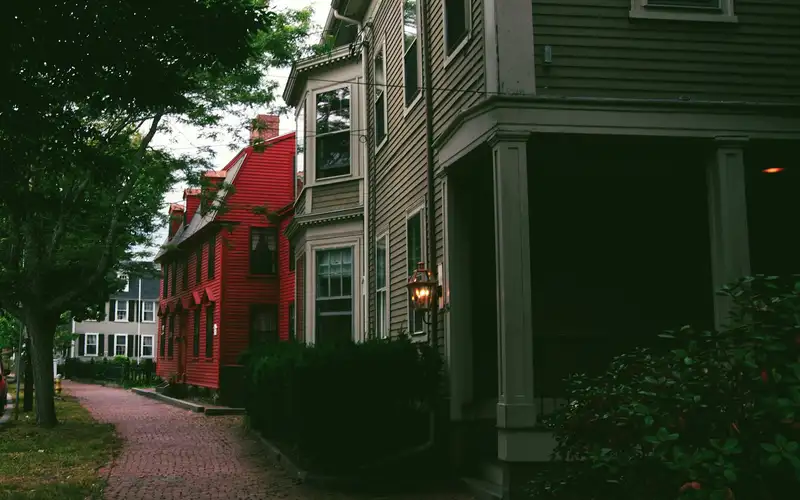
The city's 2014 Housing Existing Conditions report put about 38% of Portsmouth homes as built in 1939 or earlier and about 62% before 1970, with a median year built of 1954 against 1979 for Rockingham County (Housing Existing Conditions). Nearly all of those homes are on sewer. The Sagamore design counted 63 residences north of the creek and 17 south of it.
If you're buying a house that may still be on septic, NHDES keeps approval records on OneStop, and the city's 150-foot rule is worth checking against the nearest sewer main. NHDES suggests an inspection about every three years and pumping when needed, typically every three to five years (NHDES SepticSmart).
Paying for it
Help with Sagamore connection costs
For the Sagamore extension, the city offered owners a Memorandum of Agreement with a zero-interest, 10-year loan, repaid through a lien or paid in full (April 2023 presentation). City Council authorized $1.2 million in bonding on August 22, 2022 for private-side connections, and the project page warns that funding could fall short if interest is high and that the city can't hold current contract prices indefinitely (project page). The April 2021 design report estimated the private-side cost at about $6,600 for an average house; that's a 2021 estimate, and the city expects costs to rise. We didn't find a city septic loan or grant outside this project.
FAQ
Portsmouth septic questions
Is anyone in Portsmouth still on septic?
Some homes are. The city sewers Portsmouth and serves New Castle and parts of Greenland and Rye, but it doesn't publish a list of homes still on septic. The most fully documented septic area was along Sagamore Creek, where the city has been extending sewer under a consent decree with NHDES and EPA.
Is there a deadline for the Sagamore Creek sewer?
The city's project page says owners in the project area who may want to connect later "will have until December 2026 to notify the City of their intention to do so." The city also says connection costs are expected to go up over time. If you're in the area and haven't decided, contact the city before the end of December 2026.
Do I have to connect if sewer is near my house?
Generally yes. If public sewer is within 150 feet of the property line abutting the street, the ordinance requires a direct connection within 90 days, which the City Engineer can extend to 150 days. A waiver is possible while the septic system is adequately functioning and legally permitted, but it ends if the system stops working.
Who issues septic permits in Portsmouth?
The Plumbing Inspector in the Inspection Department at City Hall. A written permit is needed before a private system is built, and it doesn't take effect until the inspector approves the finished installation. The plumbing fee page lists $30 per dwelling for septic.
What does it cost me to use New England Septic Pros?
Nothing. Asking is free for homeowners; the contractor prices the job, and the price and contract are between you and them.
Nearby